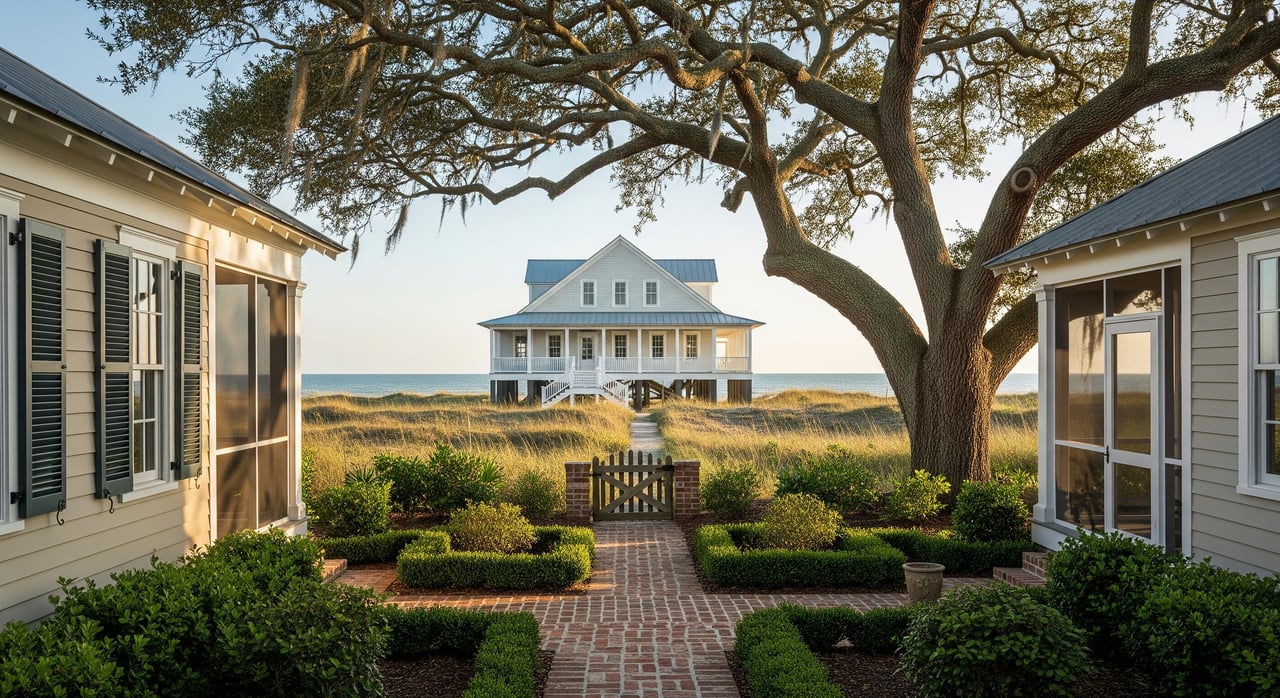
Do you picture sunrise over the Atlantic from your porch, or a quiet, shaded yard a few streets back from the sand? On Sullivan’s Island, both options deliver the Lowcountry lifestyle in different ways. If you are deciding between an oceanfront address and an interior street, you want clarity on daily living, risk, and long-term value. This guide breaks down what changes when you move a few hundred feet inland so you can choose with confidence. Let’s dive in.
Sullivan’s Island at a glance
Sullivan’s Island sits in ZIP 29482 between the Atlantic Ocean and Charleston Harbor. It is a narrow barrier island, which means dunes, beaches, and shorelines naturally shift over time. Oceanfront properties feel more of the ocean’s power, while interior streets still share coastal conditions and flood risk, just with more buffer.
The island is primarily residential with small commercial pockets along Middle Street and town services managed by the local municipality. You will find a relaxed pace, walkable beach paths, and easy access to Mount Pleasant and downtown Charleston, often 15 to 30 minutes depending on traffic.
Oceanfront living: pros and tradeoffs
Why buyers choose oceanfront
- Direct beach access and unobstructed ocean views are the prime draw.
- You enjoy sunrise views and the sound of the surf, a defining feature of the coastal lifestyle.
- Outdoor living areas and picture windows can be designed to frame the water and sky.
What to expect day to day
- Expect more wind, salt spray, and sand reaching decks and outdoor spaces.
- Peak seasons bring more passersby near public access paths, which can reduce privacy.
- Beach activity may add seasonal noise, especially near lifeguarded or popular stretches.
Maintenance and insurance realities
- Salt air accelerates corrosion and weathering. Fasteners, railings, paint, and exterior metals often need more frequent upkeep.
- HVAC and pool equipment may require protective coatings, stainless hardware, and elevated mounts to perform well near the surf.
- Many oceanfront lots are in higher-risk FEMA zones that can trigger stricter building standards and higher premiums. Review the property’s FEMA designation using the FEMA Map Service Center.
Interior streets: pros and tradeoffs
Why buyers choose interior
- Greater separation from the beach often means more privacy and quieter evenings.
- Yards can be larger and more shaded by mature vegetation for year-round outdoor use.
- Operating costs and maintenance related to salt spray are often lower than the oceanfront.
Daily living and access
- You trade direct ocean views for a longer walk or quick drive to the beach.
- Some interior homes back to marsh or tidal creeks with different views and seasonal conditions.
- Central blocks may be closer to Middle Street restaurants and services.
Maintenance and insurance realities
- Interior homes still face coastal humidity, storms, and flood risk. Interior does not equal flood-free.
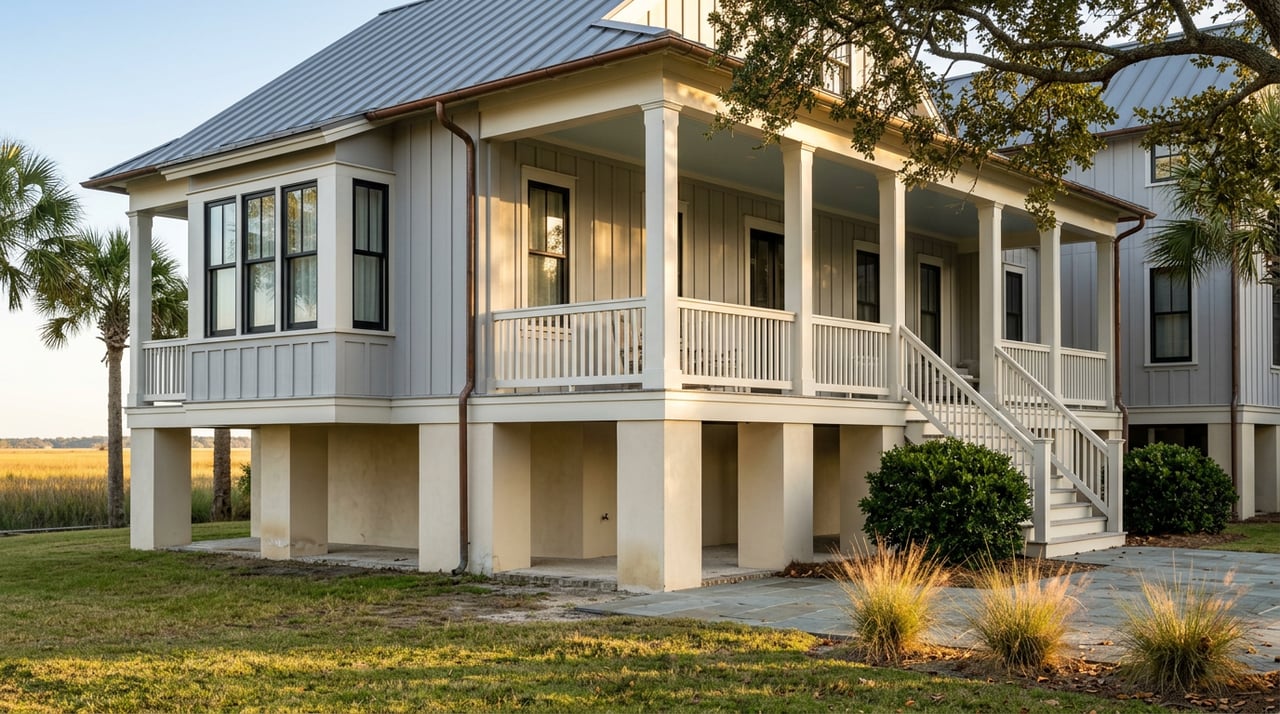
- Foundation types vary by elevation and code. Some interior homes use raised slabs or crawlspaces, while others are elevated.
- Always verify the flood zone and elevation certificate before you write an offer through the FEMA Map Service Center.
Risk, regulations, and resilience
Flood zones and elevation
Flooding, storm surge, and erosion are core coastal hazards on barrier islands. On Sullivan’s Island, oceanfront homes often sit in V or VE zones that account for wave action, while many interior parcels fall within AE or other mapped zones. Your lender may require flood insurance if the property lies in a Special Flood Hazard Area. Use the FEMA Map Service Center to confirm the current map and ask for the elevation certificate to understand premium impacts.
Building codes and dune management
The town enforces building, planning, and dune vegetation rules that shape what you can build and how you protect a property. Before planning renovations, seawalls, or dune walkovers, consult the Town of Sullivan’s Island for permits and guidance through the official municipal site.
Sea-level rise planning
Sea-level rise is a long-term factor for both oceanfront and interior homes. The NOAA Sea Level Rise Viewer helps you visualize scenarios so you can weigh resilience over your ownership horizon. Properties with higher elevation, impact-rated features, and adaptive design tend to maintain marketability better over time.
Insurance snapshot
Insurance markets on the coast evolve. Compare quotes from the National Flood Insurance Program and private carriers early in your process. For state-level guidance and consumer resources, the South Carolina Department of Insurance is a helpful reference. Expect higher wind and flood premiums for ocean-exposed properties, especially in V or VE zones, and confirm any required wind mitigation features with your insurer.
Access, parking, and convenience
Public beach access points concentrate visitors at certain paths, which can affect privacy and activity near nearby oceanfront homes. Interior owners rely on these access points for daily beach time, so proximity matters for convenience.
Being near Middle Street can mean an easier stroll to island dining and services. Off-island trips to Mount Pleasant or downtown Charleston are typically 15 to 30 minutes depending on traffic, which fits most weekly routines.
Market and resale dynamics
Value drivers
- Oceanfront value flows from scarcity, unblocked views, and immediate beach access. Homes designed to maximize sightlines with decks and large windows often command a premium.
- Interior value centers on privacy, larger lots, shade, and potentially lower operating costs. Many full-time residents prioritize these qualities for year-round living.
Price premiums and volatility
Oceanfront homes typically carry a price premium compared to interior homes due to rarity and amenity value. That premium can fluctuate with perceived risk, recent storm history, and insurance availability. After major weather events or map changes, some buyers discount risk more, which can narrow the gap.
Inventory is tighter on the oceanfront, so a few sales can swing averages. Interior streets usually offer more comparable sales and steadier liquidity, which helps with pricing and appraisals.
Short-term rental considerations
Sullivan’s Island has historically seen demand for short-term rentals given its beach appeal and proximity to Charleston. Rules can change, and local ordinances may affect permits, parking, and operations. Always confirm current requirements with the town through the municipal website before assuming rental potential.
Oceanfront vs. interior: a quick fit guide
- Choose oceanfront if you want sunrise views, instant beach access, and the full sensory experience of the Atlantic. Be comfortable with more frequent maintenance, possible higher insurance, and seasonal foot traffic.
- Choose an interior street if you prioritize privacy, shaded outdoor space, and a quieter setting with easier maintenance. Be ready to walk or drive to the beach and still verify flood risk.
- For either choice, weigh elevation, foundation type, and mitigation features equally with floor plan and finishes.
What to verify on any Sullivan’s Island property
Before you make a decision, gather objective data and ask detailed questions. Start here:
- Flood zone and maps. Look up the property on the FEMA Map Service Center and request the elevation certificate.
- Elevation and lot specifics. Confirm the lowest floor elevation relative to Base Flood Elevation and whether the home is on pilings, a raised slab, or a crawlspace.
- Insurance. Obtain recent flood and wind quotes or policy history. Review deductibles, exclusions, and any wind mitigation credits. Use the South Carolina Department of Insurance for consumer tools.
- Permits and local rules. Check the Town of Sullivan’s Island for building permits, dune and vegetation approvals, and current short-term rental ordinances.
- Parcel data. Confirm tax records, lot lines, and any elevation contours through Charleston County GIS.
- Shoreline context. Ask about dune condition, proximity to public access paths, and any planned beach nourishment or dune restoration.
The bottom line
On Sullivan’s Island, oceanfront and interior homes both deliver a remarkable coastal lifestyle. The best fit comes down to how you want to live day to day, your comfort with coastal risk, and your long-term plans for upkeep and resale. Once you pair those preferences with verified data on elevation, flood maps, and local rules, your answer often becomes clear.
If you want a guided, concierge approach to this decision, we can help you compare addresses side by side, coordinate quotes and permits, and position you for a confident offer. Connect with Crossman & Co. Real Estate to schedule your free consultation.
FAQs
Are Sullivan’s Island beaches private for oceanfront owners?
- Beaches in South Carolina are generally public up to the mean high water line, and public access paths can increase foot traffic near some lots. Confirm any easements and access points before you buy.
Do interior homes avoid flood risk on Sullivan’s Island?
- Not always. Interior parcels can still be in FEMA Special Flood Hazard Areas and may face stormwater or tidal flooding. Verify the specific lot on the FEMA Map Service Center.
How do insurance costs compare for oceanfront vs. interior homes?
- Oceanfront properties often see higher flood and wind premiums due to exposure and zoning. Obtain quotes from NFIP and private carriers early, and review guidance from the South Carolina Department of Insurance.
What foundation types are common near the beach?
- Many oceanfront homes use pilings or elevated designs to meet Base Flood Elevation and reduce wave impacts. Interior homes may use raised slabs or crawlspaces depending on elevation and code.
How will sea-level rise affect long-term value?
- Buyers and appraisers increasingly factor in sea-level rise and updated flood maps. Use the NOAA Sea Level Rise Viewer to understand scenarios and favor homes with resilient design and higher elevation.
Where can I confirm permits and local building rules?
- Visit the Town of Sullivan’s Island for building permits, dune management rules, and short-term rental ordinances before planning renovations or income use.