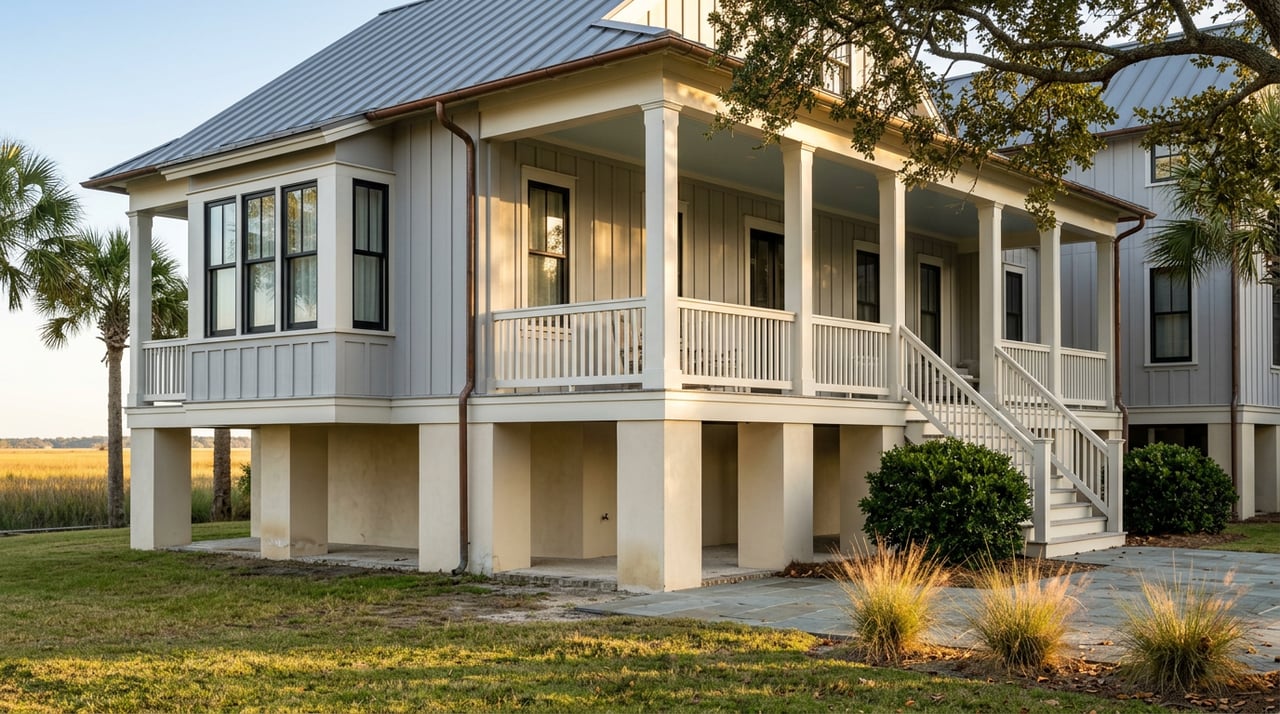
Wondering when you’ll have the best shot at the right Sullivan’s Island home without overpaying or missing your moment? You’re not alone. With limited land, strong second‑home demand, and coastal factors like hurricane season, timing matters as much as budget. In this guide, you’ll learn how seasonality works on the island, the best months for selection or negotiation, and a clear 6–12 month plan to get prepared. Let’s dive in.
How the Sullivan’s Island market moves
Sullivan’s Island follows a familiar coastal rhythm. Listings and buyer activity climb from late winter into spring, peak in late spring and early summer, then cool into fall and early winter. That means you usually see the widest selection in spring, while late fall and winter often bring more room to negotiate.
Local conditions shape that cycle. The island is small and largely built out, so inventory is tight even in the “busy” months. A high share of second‑home and vacation buyers amplifies demand around beach season. Hurricane season, flood risk, and insurance costs can also influence what types of homes draw attention at different times of year.
Expect competition to be strongest from late winter through early summer. Expect more price reductions, longer market times, and a higher chance of accepted contingencies in late fall and winter. Even then, stay flexible. Off‑season selection can be thin, so you may trade options for leverage.
Best months based on your goal
If you value selection
Target February through May. New listings typically ramp up during late winter and spring, giving you better options across price points and property types. The tradeoff is faster sales and more multiple‑offer situations. Be prepared to act quickly with financing ready.
If you value negotiation leverage
Target October through January. Buyer traffic slows, showings are lighter, and sellers who missed the peak season may price more competitively. You’ll often see longer days on market and more openness to credits or longer due diligence. The tradeoff is fewer choices.
Summer considerations
From July to September, activity can vary. Early summer may still offer selection, but vacations can make coordination tricky. It is also hurricane season, so plan inspections and contract timing with weather and insurance in mind. If you’re visiting on vacation, book showings well in advance.
Month‑by‑month playbook
January to March
- New listings begin to rise as sellers move past the holidays.
- Good window if you’re already pre‑approved and ready to tour fast.
- Expect competition to build through this period.
April to June
- Peak listing activity and buyer traffic. Best overall selection.
- Highest chance of multiple offers and rising prices.
- If you plan to combine buying with travel, schedule tours early.
July to September
- Selection can remain decent early in summer, but activity is variable.
- Plan around hurricane season for inspections and underwriting.
- Consider second visits to top contenders when crowds thin.
October to December
- Traffic slows, price reductions increase, and sellers may be more flexible.
- Strong window to request concessions if a suitable property is available.
- Be ready to move quickly when the right listing appears.
Your 6–12 month action plan
- Month 0 to 1: Choose a local buyer’s agent with Sullivan’s Island experience. Review recent comparable sales and study flood maps for the areas you like.
- Month 1 to 2: Secure a full mortgage pre‑approval. Discuss coastal appraisal challenges and how your lender handles unique properties.
- Month 2 and ongoing: Track market metrics monthly, including active and new listings, days on market, price cuts, and pending sales.
- Month 3 to 9: Tour during late winter and spring for selection. Revisit promising listings and watch for price movements in late fall and winter.
- Month 6 to 12: Be offer‑ready with earnest money, quick inspection timelines, and a plan for specialized inspections or insurance quotes.
Financing, insurance, and due diligence on the coast
Financing and appraisal
Coastal homes vary widely by lot size, elevation, and water influence, which can make appraisals challenging. Lenders may consider a broader set of comparable sales and add extra scrutiny. If you are selling another property to fund the purchase, map out bridge financing or contingency timelines. Larger down payments or cash can improve your position in competitive months.
Insurance and flood risk
Flood and wind coverage can materially affect your monthly payment. Flood zones, elevation certificates, and recent mapping influence what you’ll pay. Request elevation certificates and insurance quotes early in due diligence. If premiums are higher than expected, you may adjust your offer or financing approach.
Inspections that matter here
Plan for coastal‑specific checks in addition to general inspections:
- Roof condition and hurricane‑rated components
- Structural integrity, foundations, and pilings for elevated homes
- Dune or shoreline condition and any erosion history
- Corrosion on metal and salt impact on mechanical systems
- HVAC age and condition, given salt air exposure
- Termite and wood‑destroying organism inspections
- Mold, moisture, and drainage performance around the envelope
- Utility type, sewer versus septic, and stormwater history
Ask for recent surveys, elevation certificates, prior insurance claims, and any FEMA claims history.
Regulatory and rental rules
Short‑term rental rules, zoning, and permitting can affect value and income potential. Verify whether any rental use is compliant and whether permits or caps apply. Review floodplain management requirements and current building codes that could shape future renovations or rebuild costs.
Touring and negotiation strategy
Smarter tours on island time
Tour during daylight and, if relevant, at both high and low tide to understand shoreline conditions and access. Visit at different times and on weekdays and weekends to gauge traffic and noise. Video or drone can supplement your search, but plan an in‑person visit for structural and flood‑risk evaluation.
Offers in competitive months
When activity is high, present a clean, strong offer. Be fully pre‑approved, consider tighter inspection windows without waiving critical protections, and use strategies like escalation clauses, appraisal gap coverage, or stronger earnest money when appropriate.
Offers in leverage months
When traffic slows, ask for credits toward closing costs or post‑inspection repairs. You may also negotiate longer inspection periods to coordinate specialists for seawalls, elevation, or drainage. Price flexibility is more common, but respond quickly to well‑priced listings.
Contract and closing timing
Build in time for specialized inspections, flood insurance quotes, and elevation documentation. Appraisals for unique coastal homes can take longer, so add buffer days for underwriting. If buying during hurricane season, include language to address storm‑related delays or repair escrows if needed.
What to track each month
Focus on a short list of metrics to spot shifts early and time your move:
- Active and new listings: understand selection and future supply.
- Median and list price, plus price per square foot: monitor direction.
- Days on market: shorter times signal a faster market.
- Sales‑to‑list‑price ratio: near or above 100 percent indicates strong seller leverage.
- Months of inventory: common thresholds are seller’s market below 4 months, neutral at 4 to 6 months, and buyer’s market above 6 months.
- Price reductions and pending sales: early indicators of momentum changes.
Putting it all together
If you want the widest choice, aim for late winter through spring with pre‑approval in hand. If you want negotiating power, watch for opportunities in late fall and winter and be ready to act fast when the right property surfaces. With a clear plan, the right metrics, and coastal‑specific due diligence, you can buy with confidence in 29482.
Ready to map your timing and tour plan around your goals? Schedule a conversation with Crossman & Co. Real Estate to align your search, financing, and inspection strategy with the Sullivan’s Island market.
FAQs
When is the absolute best time to buy on Sullivan’s Island?
- It depends on your priority: choose February to May for selection or October to January for negotiation leverage, and be ready to act when a fit appears.
How do hurricanes affect a 29482 buying timeline?
- Plan for flexible inspections and appraisal scheduling, include storm‑delay language in contracts, and secure insurance quotes early in the due diligence period.
What MLS metrics should I watch before touring?
- Track active and new listings, days on market, sales‑to‑list‑price ratio, months of inventory, price cuts, and pending sales to time offers well.
How soon should I get flood and wind insurance quotes?
- Request quotes as soon as you are under contract and obtain elevation certificates early, since premiums can influence affordability and loan terms.
How competitive are spring offers on the island?
- Expect faster sales and multiple‑offer situations, so lead with full pre‑approval, tight timelines, and tools like escalation clauses when appropriate.
Can I really find deals in winter, or is inventory too thin?
- Winter often improves leverage with more price flexibility and credits, but selection is limited, so monitor listings closely and move quickly on a match.