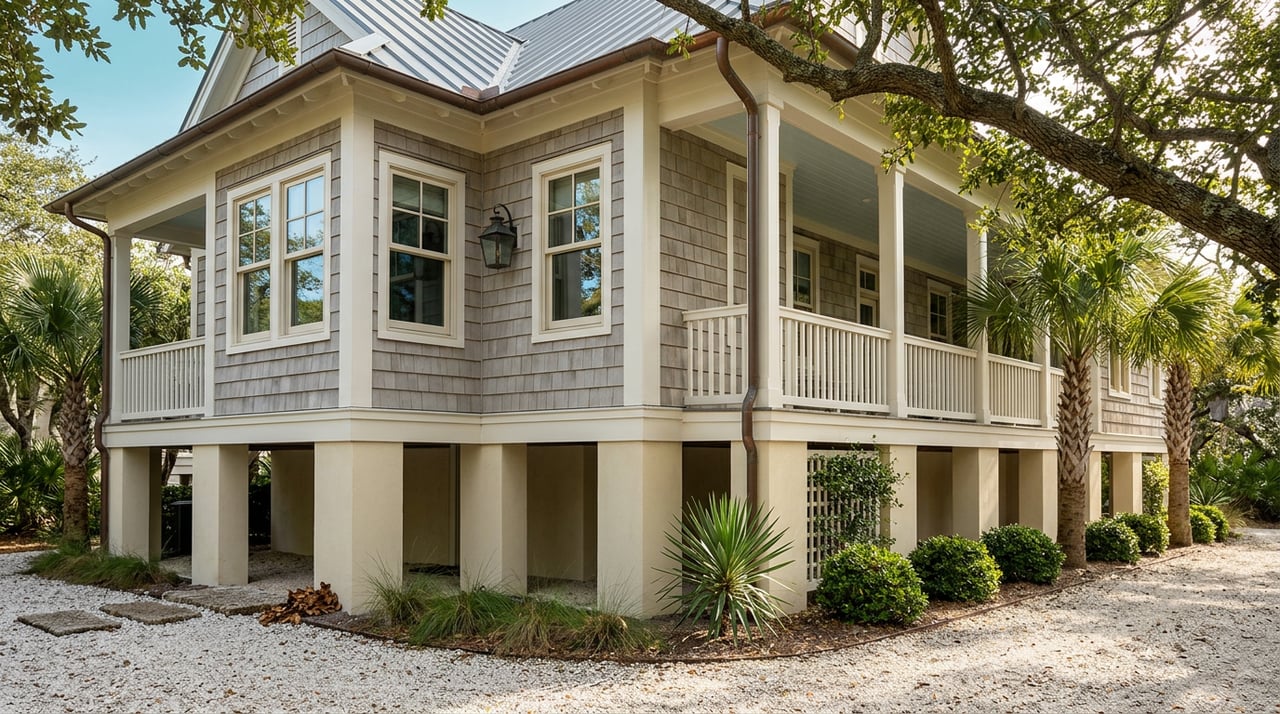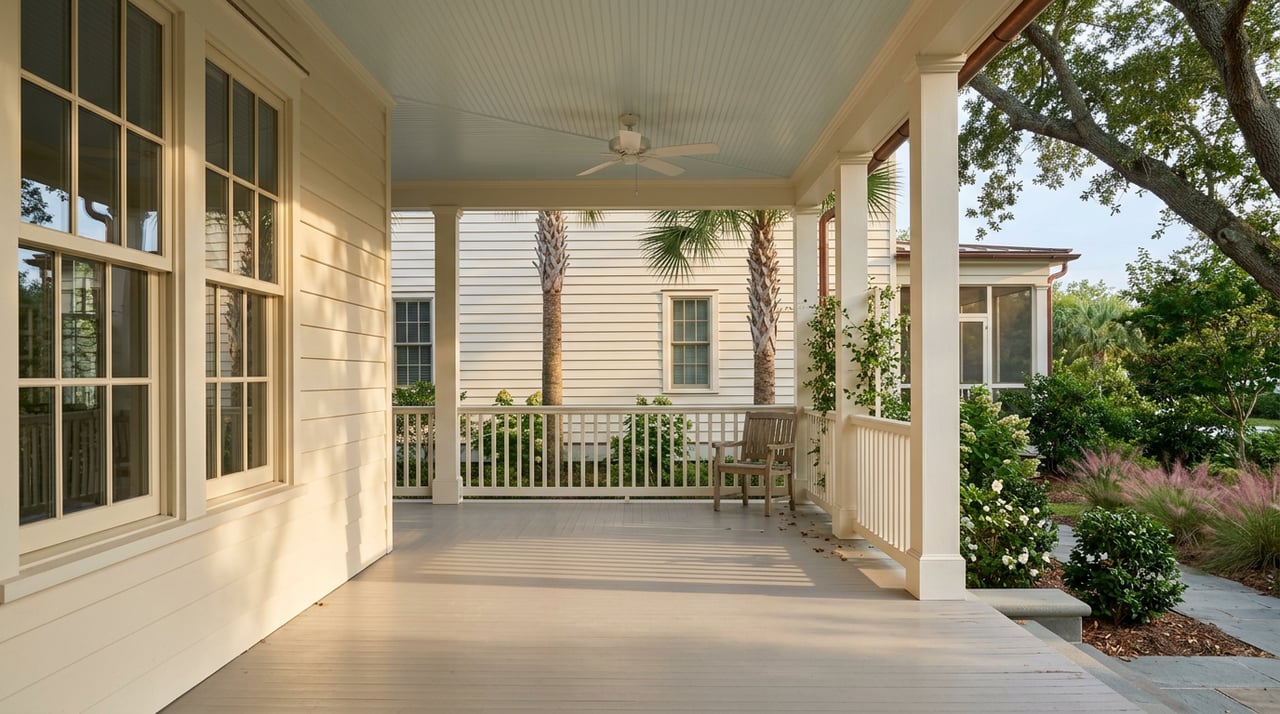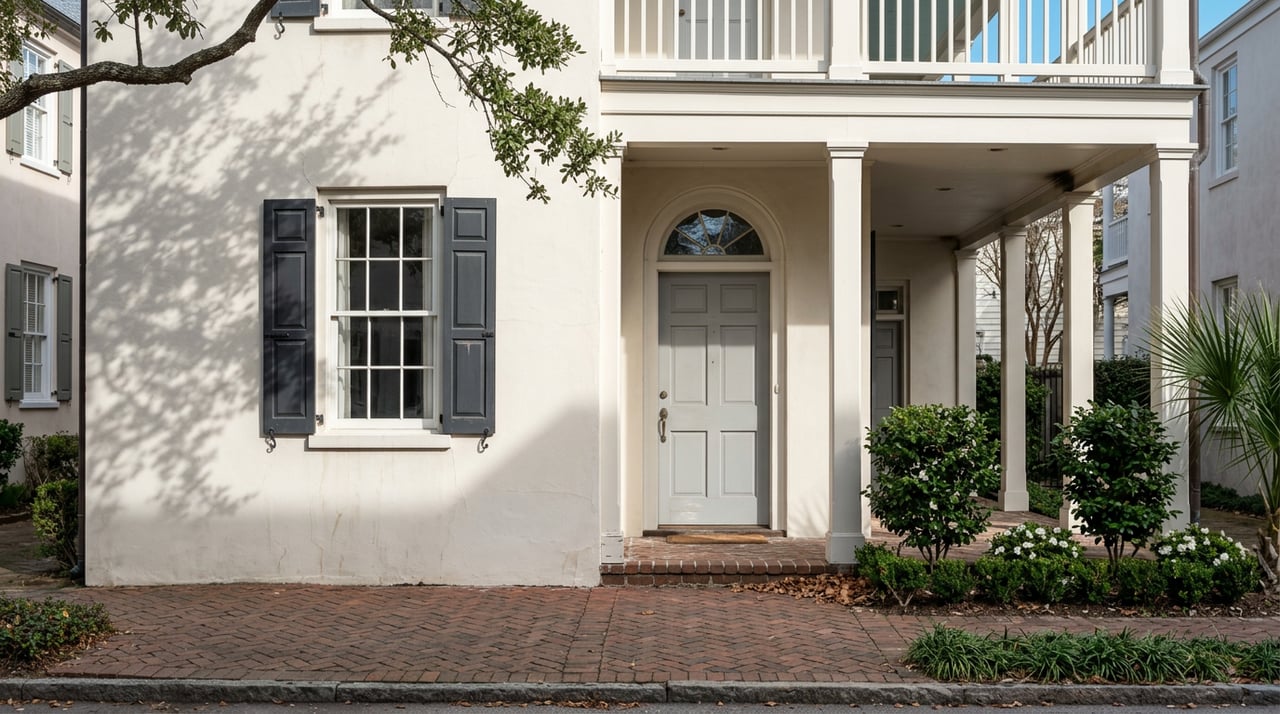
If you own a historic home South of Broad, you know pricing is as much about story and setting as square footage. You want a number that attracts the right buyers, protects your negotiating power, and reflects the work you have put into the property. In this guide, you will learn how top boutique brokers and appraisers build a price, what truly drives value on your block, and how to prepare so you command a premium. Let’s dive in.
South of Broad market today
South of Broad consistently sits at the top of Charleston’s price spectrum. Neighborhood reporting shows multimillion‑dollar medians and four‑digit price‑per‑square‑foot results for premium inventory. Within that, different property types trade in distinct bands, so the right pricing strategy always starts with your specific house and its closest peers.
Record sales and ceilings
Occasional headline transactions set public expectations, but they are rare and often outliers. A recent example is the John Ravenel House on the High Battery, which the local press reported as a record sale and a reminder that provenance, restoration quality, and harbor views can push values into the very top tier. You can read more background in this local feature on the Battery record sale and its context. Use such sales to frame the ceiling, then anchor your price to nearer, like‑kind comps.
What drives value here
Location and view premium
In South of Broad, location and orientation do heavy lifting. Houses on the High or South Battery, or with direct harbor or Fort Sumter views, command material premiums. Proximity to White Point Garden and wide‑frontage corner lots also contribute. These location effects can outweigh many interior upgrades, so use nearby sales to quantify the view and setting premium.
Architectural significance and provenance
Documented provenance, intact period fabric, and rare architectural features meaningfully influence buyer interest. Original mantels, heart‑pine floors, plaster cornices, and piazzas tell a story that some buyers will pay for. Stewardship resources from preservation groups explain why these attributes matter and how to present them; see this overview on historic stewardship and value for context. When authenticity pairs with modern systems, pricing power is strongest.
Renovation level and systems
Buyers in this segment expect reliable infrastructure and tasteful updates that respect the home’s character. Modernized HVAC, electrical and plumbing, solid roofs and envelopes, and luxury kitchens and baths all influence price. Appraisers reflect these differences through condition and quality adjustments, which are part of the standard valuation framework outlined in The Appraisal of Real Estate text summarized here.
BAR and easements
Charleston’s Board of Architectural Review (BAR) oversees many exterior changes visible from the public way. If your home has a preservation easement, that deed will govern certain alterations and maintenance for the long term. Buyers will ask for BAR history, Certificates of Appropriateness, and any easement language. You can review the City’s BAR process and submittal checklists and consult the Historic Charleston Foundation for easement and research resources.
Lot, gardens and parking
Walled gardens, pools, carriage houses, and off‑street parking add real utility in South of Broad. A separately metered carriage house or guest suite can contribute significant value, either through an income lens or as a high‑use amenity. When comparing comps, account for these site and accessory differences explicitly.
Flood, elevation and insurance
Flood exposure and first‑floor elevation affect lender requirements and annual insurance costs, which buyers price into offers. The City and County participate in NFIP and CRS programs, and premiums vary with FEMA zone and measured elevation. As a seller, order an elevation certificate and be ready to discuss historical flood performance and any mitigation. For screening and long‑term planning context, review NOAA’s coastal flooding and sea‑level tools and the City’s flood and insurance FAQs.
Tax incentives
For income‑producing certified rehabilitations, the Federal Historic Rehabilitation Tax Credit is 20 percent of qualified costs. This typically applies to larger or income‑oriented projects, not most private single‑family sales, but it can surface in transactions with carriage houses or adaptive use. Learn more about the federal program through this introductory summary, and consult your tax advisor for property‑specific guidance.
How pricing opinions are built
Boutique brokerages and appraisers lean on three approaches. The sales comparison approach is primary for single‑family homes, supported by cost and, where relevant, income approaches. The goal is to pair the right comps with clear, evidence‑based adjustments. For a concise overview of these methods, see the standard appraisal framework.
Pick the right comps
- Start with 3 to 6 recent solds from the same micro‑area, ideally within the last 6 to 12 months.
- Match on subtype first: Battery mansions, larger standalones, classic Charleston singles, and properties with carriage houses trade in different bands.
- Expand the search to adjacent streets if necessary, then time‑adjust older sales to current conditions.
- Prioritize sales with similar lot size, frontage, orientation, and flood profile.
Make evidence‑based adjustments
- Quantify view and harbor exposure as a location premium, using nearby paired sales where possible.
- Adjust for renovation scope and systems, not just finishes. Mechanical overhauls and envelope improvements carry real value.
- Document architectural significance and provenance with research and photos, and reflect their market impact.
- Account for walled gardens, pools, private parking, and carriage houses as separate contributors.
- Model flood zone, elevation, and insurance changes as annualized costs that affect buyer affordability and pricing.
Separate fixtures and art
In luxury transactions, sellers often transfer certain fixtures, furnishings, or art through a separate bill of sale. That can increase the total economics without inflating the real property price. Recent high‑profile sales have noted separate contents packages; for an example of how this appears in reporting, see the Battery record sale coverage. Keep these items itemized and documented outside the deed.
Your 6–18 month plan
Immediate steps (0–4 weeks)
- Gather your dossier: deed, surveys, BAR approvals and staff reviews, full permit history, contractor invoices, and any easement or covenant documents. Keep digital copies ready for buyers and appraisers. Start with the City’s BAR resource page.
- Compile a brief history of the home: architectural notes, prior renovations, and quality archival photos. The Historic Charleston Foundation is a helpful reference.
Near term (1–3 months)
- Order an elevation certificate if you are near mapped flood zones. This will clarify financing and insurance for buyers. Review the City’s flood and insurance FAQs.
- Schedule pre‑listing inspections for structure, roof, HVAC, and termites. Address small maintenance items that distract from value.
- If exterior work is likely, consult a preservation architect and align on BAR timelines and checklists.
Marketing prep (2–8 weeks before listing)
- Produce a polished packet: professional photos, floor plans, systems list, BAR approvals, elevation certificate, and a concise historic narrative.
- Stage strategically and plan a broker‑open that reaches both local agents and out‑of‑market buyer reps.
- If selling contents, create a separate, itemized list for a potential bill of sale.
Negotiation and closing
- Back every key adjustment with evidence. Offer invoices for major systems, research on provenance, and flood data.
- Tighten contingencies by addressing inspections and BAR questions in advance. Clear documentation reduces friction and protects price.
Pricing tactics that work
- Position, do not overreach. Price within an evidence‑based range that signals quality and invites serious engagement. Stretch pricing can lead to long days on market and weaker outcomes.
- Lead with narrative. Curated marketing that highlights provenance, stewardship, and sympathetic restoration can be as persuasive as square footage.
- De‑risk the purchase. Pre‑sale repairs, clear BAR histories, and ready‑to‑share elevation certificates give buyers confidence and support stronger offers.
Avoid common pitfalls
- Overpricing and under‑marketing. Unique homes can stall and then sell below market if priced without support. Work from a defensible adjustment grid aligned with the accepted appraisal approach.
- Hidden easements or restrictions. Disclose early and provide complete easement language, or direct buyers to the Historic Charleston Foundation for stewardship details.
- Flood and insurance surprises. Share elevation data and recent policy information, and use NOAA’s coastal tools plus the City’s flood FAQs to inform discussions.
- Incomplete BAR and permit records. Present a clean, organized history and start BAR conversations early if exterior work is needed. Reference the City’s BAR checklists.
Next steps
If you are preparing to sell within the next 6 to 18 months, the smartest move is to start the groundwork now. Assemble your documentation, order key reports, and build a comp set with thoughtful adjustments. Then price with confidence, supported by a crisp story that reflects your home’s architecture, systems, and setting. For a discreet, data‑driven pricing plan tailored to your address, reach out to Crossman & Co. Real Estate. We will meet you at the house, walk through the details, and deliver an owner‑led strategy that protects your value.
FAQs
How should I pick comps for a South of Broad home?
- Start with 3 to 6 recent solds on the same block or adjacent streets that match your subtype, then adjust for view, renovation level, lot, parking, and flood profile.
Do BAR approvals increase my sale price?
- Clear BAR histories and current approvals reduce buyer uncertainty and shorten timelines, which can support stronger offers, especially when exterior work is anticipated.
How much does flood risk affect value South of Broad?
- Buyers model annual insurance and mitigation costs into offers, so first‑floor elevation and FEMA zone can materially influence price and terms.
Should I sell furnishings with the house?
- It can help the transition and sometimes the deal economics, but handle contents in a separate bill of sale so the real property price remains clean for appraisal and lending.
What renovations deliver the best return before listing?
- Address systems first: HVAC, electrical, plumbing, roof, and envelope, then focus on kitchens and baths that meet luxury expectations while respecting historic character.
When is the Federal Historic Rehabilitation Tax Credit relevant?
- The 20 percent credit applies to certified, income‑producing rehabilitations; it may be relevant if a carriage house or part of the property is income‑oriented, so consult your tax advisor early.