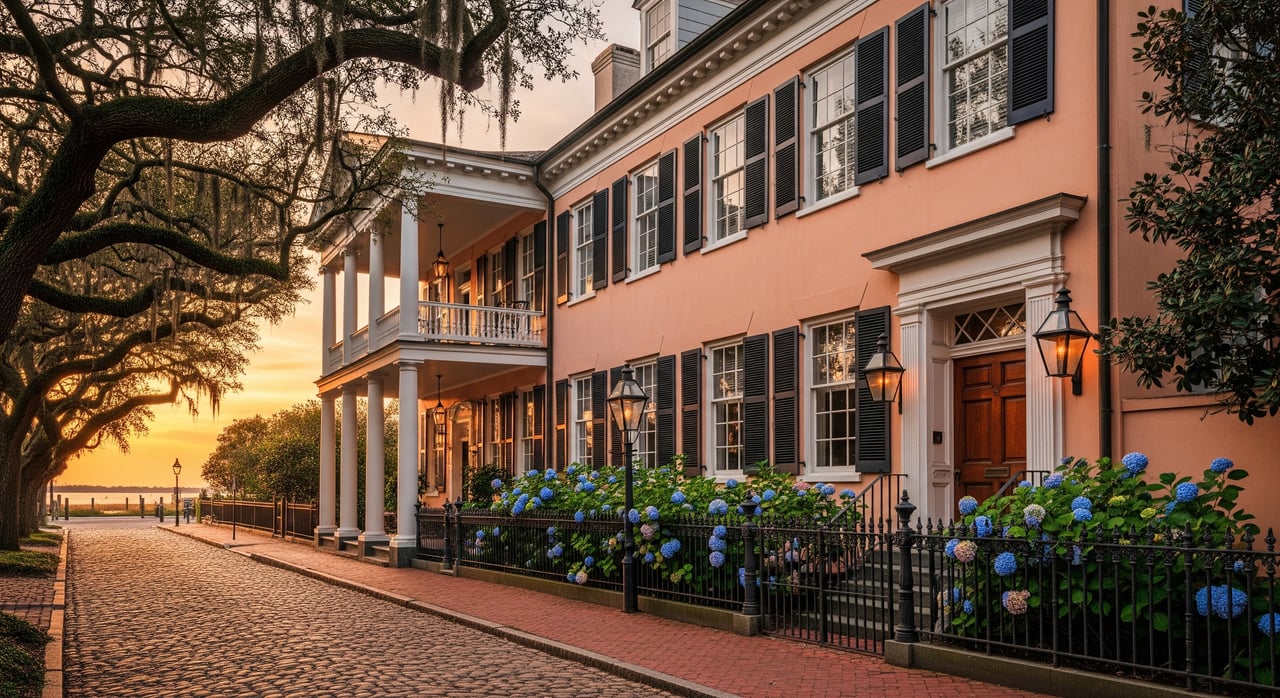
Dreaming of mornings on the Battery and evenings on a shaded piazza? If you are considering a move South of Broad, you are likely drawn to the history, the water, and the walkable charm, but you want to know how life works day to day. In this guide, you will learn what it feels like to live here, from errands and parking to preservation, flood realities, and housing options. Let’s dive in.
Where South of Broad begins
South of Broad describes the Charleston peninsula below Broad Street, including the Battery, White Point Garden, Rainbow Row, and the waterfront blocks along the Ashley and Cooper Rivers. The area sits inside the broader Charleston Historic District, recognized for one of the country’s most concentrated collections of 18th and 19th century architecture. You can explore the district’s national significance through the National Park Service’s overview of the Charleston Historic District.
Historic preservation shapes everyday life here. Exterior changes, additions, and new construction are reviewed by the City’s Board of Architectural Review, and the city maintains active resilience and short‑term rental policies that affect property use. For policies, permits, and neighborhood programs, start with the City of Charleston.
Streets, sights, and sounds
The streets are narrow and often shaded by live oaks, with ironwork and colorful facades framing the view. You will find sweeping harbor scenes from the Battery and quiet moments under the oaks in White Point Garden. South of Broad draws visitors year‑round, so expect walking tours and carriage routes to pass regularly, especially during spring and fall.
Walkability and daily errands
If you like to live on foot, you will feel at home. The peninsula ranks as one of Charleston’s most walkable areas, and Walk Score ratings for Charleston reflect strong access to shops, dining, and services downtown. Specialty food shops, cafes, and pharmacies are close by, while full‑service supermarkets are a short drive.
Getting around and parking
You can move around downtown without a car when you want to. CARTA operates local bus routes and a free DASH shuttle that circulates between major downtown stops, which is helpful for quick trips beyond your block. To plan routes and understand the downtown circulator, visit CARTA.
Parking is part of the routine. Many historic homes lack garages, on‑street spaces can be tight, and guest parking requires planning. Residents often rely on permits, private drives, and thoughtful scheduling for deliveries and service providers.
Dining, culture, and weekends
You can walk to a wide range of restaurants, from casual seafood spots to destination dining rooms. The city’s calendar is full, with festivals, art walks, and cultural events that bring energy to downtown. For an up‑to‑date look at what is happening, check the Charleston Area Convention & Visitors Bureau.
Weekends offer simple routines close to home. You might stroll the Battery, visit the Charleston Farmers Market at Marion Square when in season, or watch harbor activity at sunset. For dates and details, see the Charleston Farmers Market.
Housing styles and options
South of Broad offers a range of historic housing types:
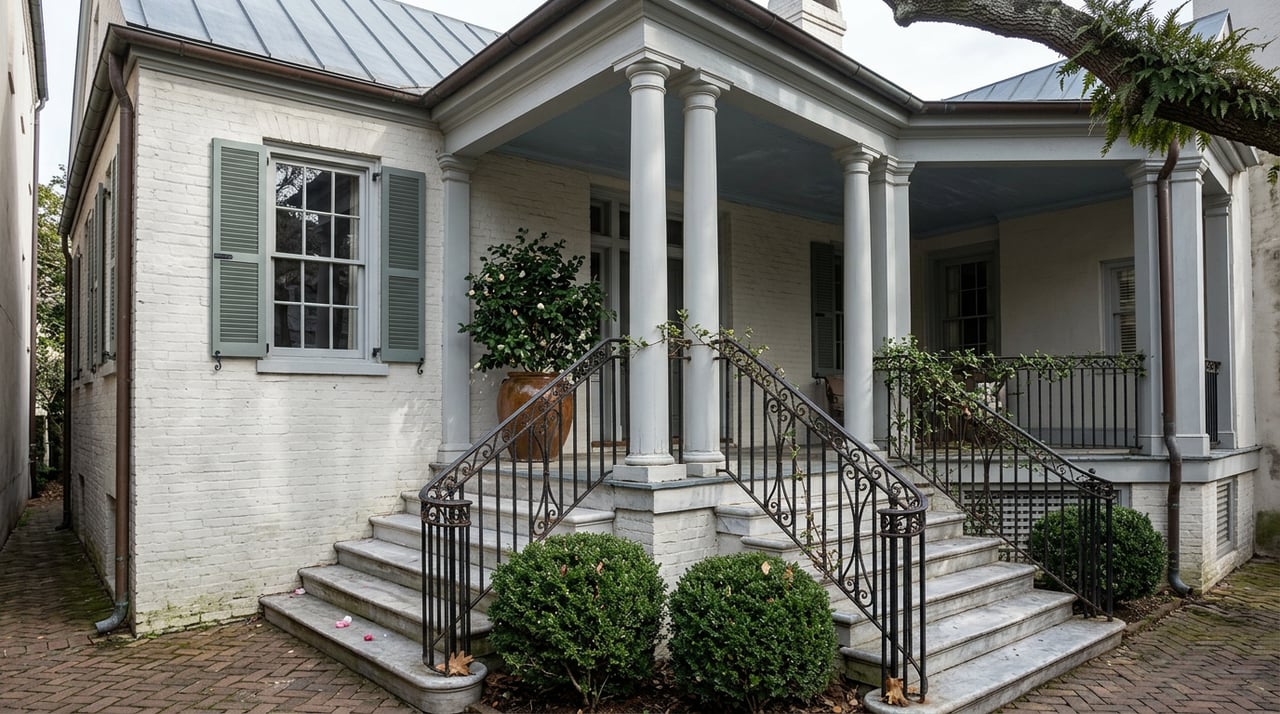
- Historic single‑family homes. Many sit on narrow urban lots with multiple floors and side piazzas. Renovations often preserve formal parlors while modernizing kitchens and systems.
- Mansions with carriage houses. These grand properties are rare and command premium interest, often with formal gardens and outbuildings.
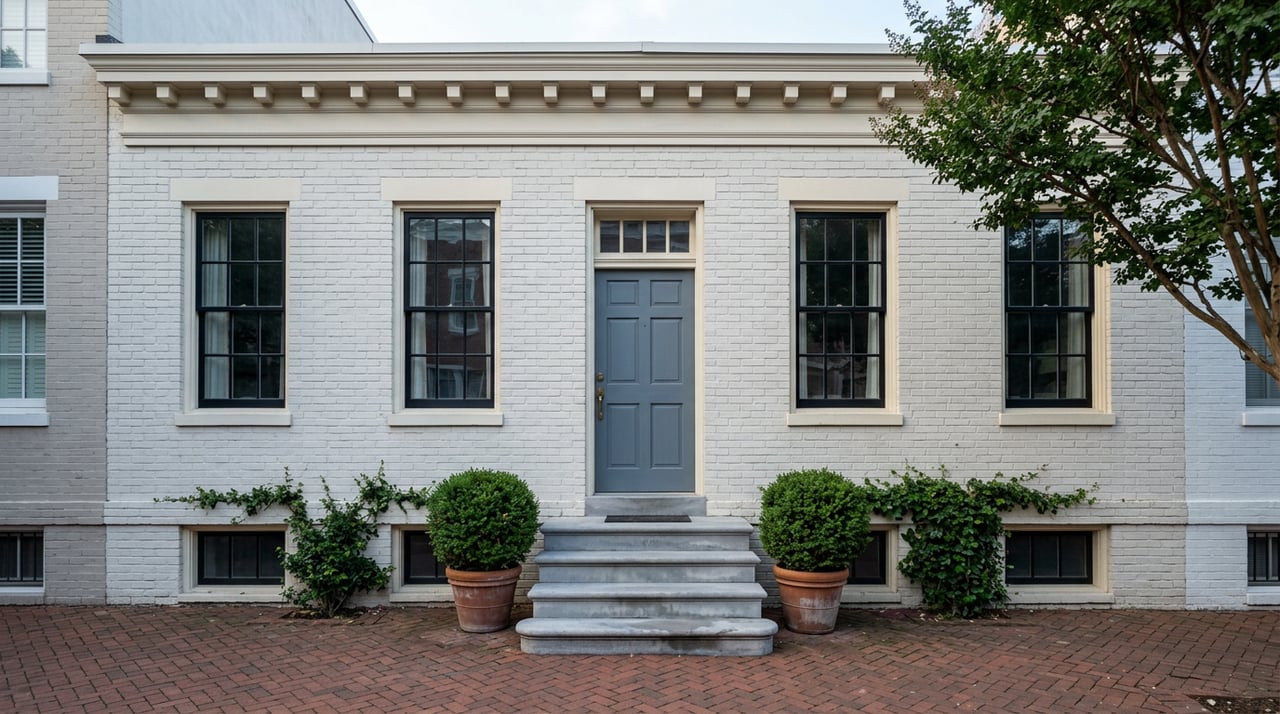
- Rowhouses and attached homes. The most common urban form here, frequently updated to balance period details with modern comfort.
- Condominium conversions and small infill buildings. Converted warehouses, carriage houses, and boutique condo properties provide lower‑maintenance options for downsizers or second‑home buyers.
- Accessory units. Some properties include carriage houses or guest cottages, which may serve as private suites or rentals where permitted.
What it costs to live here
South of Broad is one of Charleston’s most premium residential areas. Values vary widely by location, lot, view, and the level of historic restoration. Smaller condos and carriage‑house apartments can be more accessible entry points, while restored single‑family homes and waterfront‑adjacent properties occupy the top end of the market.
Plan for the hidden costs of historic‑district living. Older buildings can require ongoing maintenance, and insurance and utilities may be higher than newer construction. Preservation compliance also adds time and cost to exterior work.
Preservation and renovating
You can usually modernize interiors to suit your lifestyle, but exterior changes are closely reviewed. The Board of Architectural Review evaluates materials, windows and doors, additions, and new construction to preserve streetscapes and architectural integrity. For context on preservation work and neighborhood advocacy, explore the Historic Charleston Foundation, and use the City of Charleston as your starting point for BAR guidance and permit steps.
Expect longer timelines than in non‑historic areas. Specialized contractors familiar with historic materials are often essential, and you should plan early for reviews and bids.
Waterfront living and flood reality
Living near the harbor means you will pay attention to tides and storms. Portions of the peninsula experience tidal flooding and storm surge, and some blocks see “king tide” impacts at certain times of year. Before you make an offer, review a property’s flood zone with the FEMA Flood Map Service Center and discuss elevation certificates and mitigation measures.
It also helps to understand long‑term risk. For broader context and what‑if scenarios, the NOAA Sea Level Rise Viewer provides a useful planning tool. The City continues to invest in drainage and seawall improvements, and you can track resilience and infrastructure updates through the City of Charleston.
Insurance is part of the equation. Many properties in higher‑risk zones require flood insurance, and premiums vary with elevation and construction details. Common homeowner best practices include raising utilities, elevating HVAC, and reinforcing ground‑floor systems where feasible.
Daily rhythms and tradeoffs
A typical day might start with coffee and a waterfront jog, a short commute on foot, and an evening out at a neighborhood restaurant. In spring and fall, tourism adds energy and occasional congestion; winter is generally quieter. If you are sensitive to crowds or carriage traffic, touring at different times and days will help you gauge your comfort level.
Will you need a car? Many daily needs are within walking distance, but a car helps for larger grocery runs, airport trips, and regional errands. Families live on the peninsula, though yard sizes are modest, and you will balance space needs with the benefits of walkability and access to downtown cultural amenities.
Is it right for you? A quick checklist
- You value historic character and walkable streets.
- You are comfortable navigating preservation standards and extended timelines for exterior work.
- You accept seasonal tourism as part of the neighborhood rhythm.
- You can plan around parking and guest arrangements.
- You are prepared to evaluate flood risk, insurance, and resilience details before you buy.
- You want to be close to dining, arts, and waterfront walks without relying on a long drive.
How we help you buy with confidence
Choosing South of Broad is as much about fit as it is about a beautiful facade. You deserve a clear picture of what life looks like on your block, in your house, and on your timeline. Our boutique, principal‑led approach guides you through each step, from verifying flood zones and renovation paths to coordinating vendors and navigating the BAR process with a calm, concierge mindset. If you are relocating from another market, we also coordinate seamlessly with D.C. and Northern Virginia needs so your move feels simple.
When you are ready to tour, we will time showings to experience different traffic patterns and light, and we will review permits, elevation certificates, and neighborhood plans so you can make a confident decision. To start the conversation, reach out to Crossman & Co. Real Estate and schedule your free consultation.
FAQs
What defines South of Broad in Charleston?
- It is the area below Broad Street on the peninsula, including the Battery and White Point Garden, within the nationally recognized Charleston Historic District.
How walkable is South of Broad without a car?
- Most day‑to‑day errands are walkable, with strong downtown access to shops, dining, and services; larger grocery trips are typically a short drive.
How does public transit serve South of Broad?
- CARTA runs local bus routes and a free DASH shuttle that connects key downtown stops, which helps for short trips beyond your block.
What should I know about renovating a historic home here?
- Exterior changes usually require Board of Architectural Review approval, and historically appropriate materials and methods can extend timelines and costs.
What is the flood risk and how do I check a property?
- Parts of the neighborhood face tidal flooding and storm surge risk; review FEMA flood maps and elevation certificates and consider long‑term sea‑level scenarios.
Are short‑term rentals allowed South of Broad?
- The City of Charleston licenses and regulates short‑term rentals, with rules on eligibility and occupancy that owners must follow.