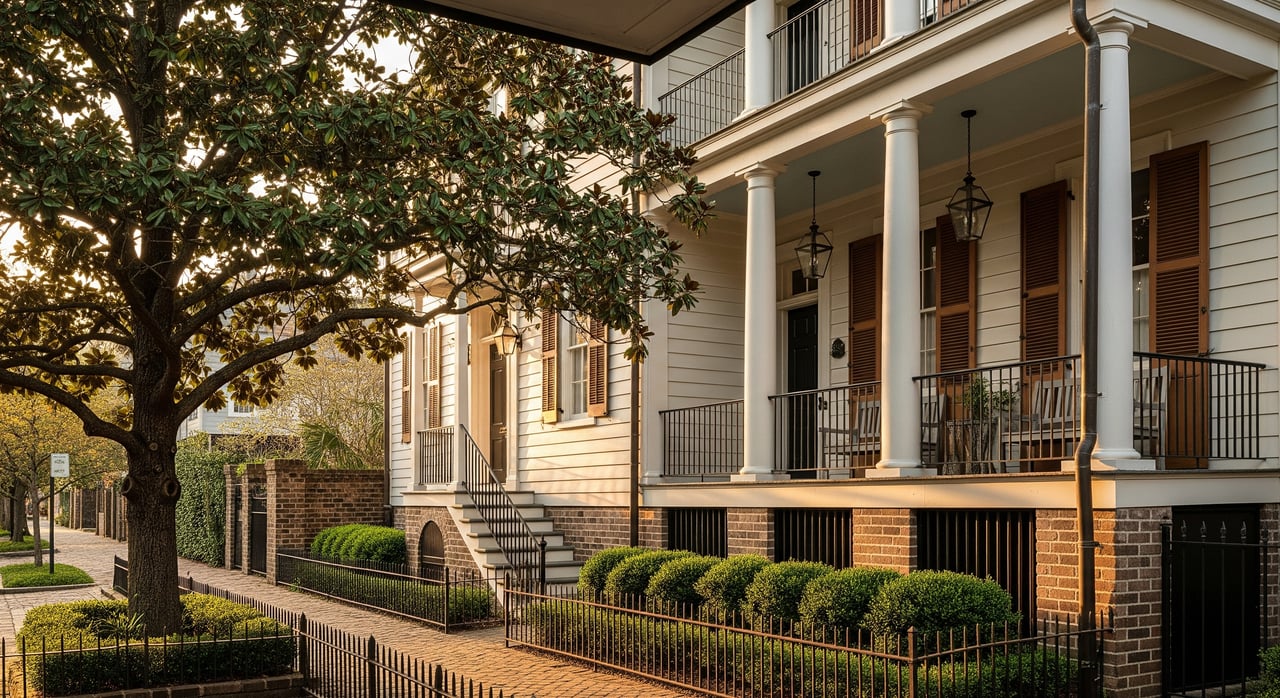
Is a Charleston Single House right for you? If you love historic character, walkable streets, and breezy outdoor living, this iconic style may be a perfect fit. You also want clear guidance on what to look for, how these homes live day to day, and what renovations or approvals might be involved. In this guide, you’ll learn the defining features of the single house, what to expect in Radcliffeborough, a practical tour checklist, and smart next steps. Let’s dive in.
What is a Charleston Single House
A Charleston Single House is a distinctive urban home that is one room wide at the street and runs deep along the lot. The long side is perpendicular to the street, often with stacked side porches called piazzas. This form emerged to suit Charleston’s narrow lots and warm coastal climate.
Roots in climate and lot geometry
The narrow footprint encouraged cross‑ventilation before air conditioning. Piazzas served as shaded outdoor rooms that helped cool interiors. The style took shape in the late 18th and 19th centuries and many examples today reflect antebellum origins with later updates.
Why Radcliffeborough stands out
Radcliffeborough sits on the downtown peninsula near the College of Charleston and central historic districts. You can walk to King Street, museums, restaurants, and institutional employers. Many single houses here have been sensitively adapted for modern living, often with rear additions, carriage houses, and high‑quality restorations.
Signature features and layouts
Charleston Single Houses share a set of key exterior cues and traditional floorplans that shape how you’ll live day to day.
Exterior hallmarks
- Narrow street frontage, one room wide facing the street.
- Long side with one or more stacked piazzas, often on the south or west to catch breezes and create shade.
- Primary entrance typically on the piazza side, not the street‑facing narrow side.
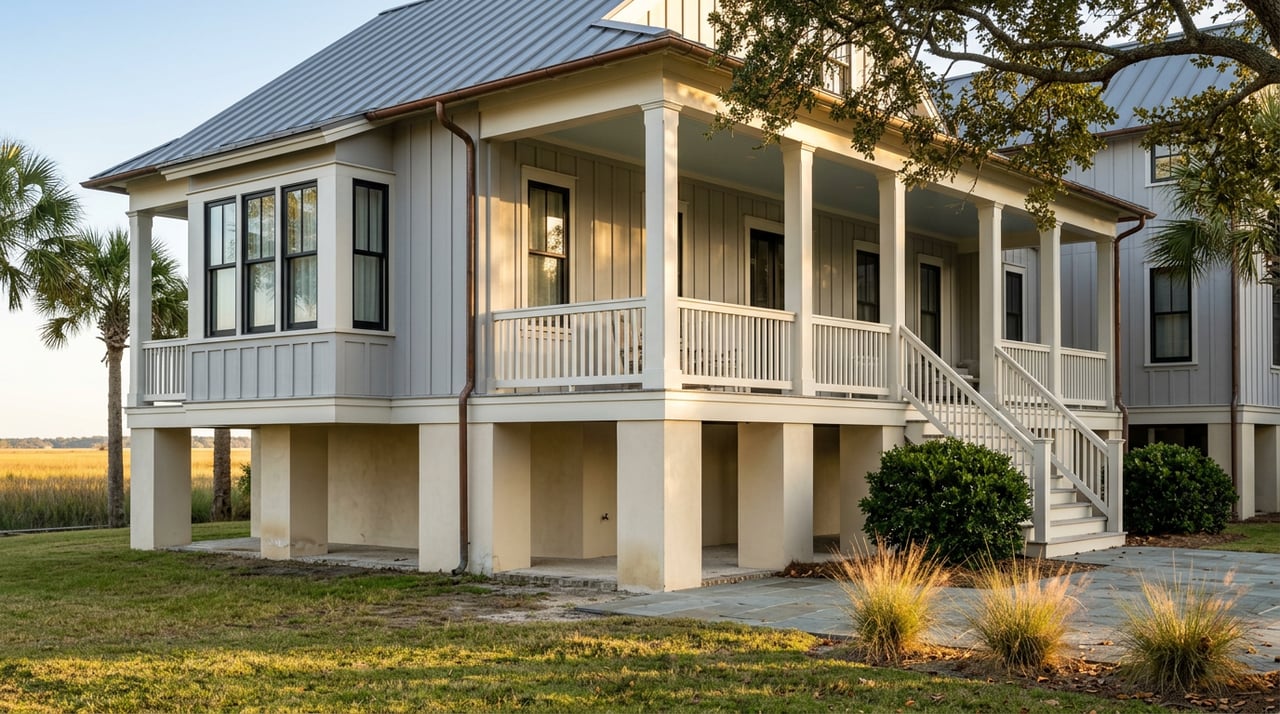
- Gable or side‑gabled roofs, often updated with standing‑seam metal.
- Wood frame construction with clapboard or weatherboard siding and brick or brick‑pier foundations.
- Tall windows, transoms, shutters, and period cornices in well‑preserved examples.
Interior plan and flow
- Single‑room‑wide layout from piazza to street side, with rooms sequenced front to back on each level.
- The piazza functions as both circulation and outdoor living room; many rooms open onto it.
- Stairs are commonly along the piazza side or toward the rear, leading to stacked bedrooms.
- Traditional use places parlors and dining on the main level with bedrooms above.
- Rear ells or additions often house kitchens, pantries, and service spaces.
- High ceilings, often 10 to 14 feet, enhance light and air but affect HVAC planning.
- On deeper lots, carriage houses or dependency buildings are common and frequently converted for guest use.
How the plan lives today
The vertical, narrow plan creates beautiful light and intimate rooms. Modern renovations often integrate the piazza more closely with everyday living, while keeping front rooms historic. Rear additions are a common way to create larger kitchens or casual family spaces without altering the historic street presence.
Lifestyle benefits in Radcliffeborough
Walkability and access
You are steps from downtown dining, culture, and the waterfront. The neighborhood’s central location also puts you close to major employers. For many buyers, this walkable urban lifestyle is a primary draw.
Outdoor living on the piazza
Piazzas extend your living area and offer year‑round comfort. They are ideal for coffee in the morning, relaxed dinners, and entertaining in a shaded, breezy setting.
Common tradeoffs to consider
- Layout constraints: narrower rooms and stacked floors are different from modern open plans. Many owners expand at the rear to balance old and new.
- Parking: not every lot includes off‑street parking. Carriage houses and driveway access add value.
- Maintenance and systems: older materials and finishes need specialized care. Plan for periodic exterior paint, roof work, and system upgrades.
- Flood and insurance: parts of downtown are in FEMA flood zones. You should review flood risk, elevations, and insurance options early.
- Urban setting: close lot lines and through‑streets can bring street noise. Shutters and piazzas can help with privacy.
Renovation and preservation basics
Charleston’s historic review and permitting environment aims to protect the city’s character while allowing thoughtful updates.
What requires BAR approval
If work changes the exterior as seen from the public right of way, expect to go through the City of Charleston Board of Architectural Review for a Certificate of Appropriateness. Interior work that does not affect exterior appearance is generally less regulated, but you should confirm requirements for your scope. Structural changes, additions, and major mechanical, electrical, or plumbing work require permits.
Modern updates that respect history
Kitchens and baths: many owners relocate or expand the kitchen into a rear addition, preserving formal front rooms.
Mechanical systems: high‑efficiency HVAC is common, with careful routing in narrow walls. Mini‑split systems can reduce impact on historic fabric.
Insulation and moisture control: adding insulation must be paired with proper ventilation and vapor strategies to protect wood framing.
Structural repairs: sill, pier, and joist work are common over a home’s life. Documentation of past stabilization is a plus.
Windows and doors: original windows are character‑defining. Repair is often preferred, and visible replacements may require review.
Additions and accessory buildings: rear ells, infill additions, and carriage house conversions are possible when they meet historic guidelines and zoning.
Budget and insurance planning
Maintenance for historic properties can exceed that of newer homes. Plan for exterior paint cycles, roof replacement, wood repair, termite management, and occasional masonry work. If your property is in a flood zone, get homeowner and flood insurance quotes early. Flood premiums depend on factors like FEMA zone and elevation certificates. If you are considering rehabilitation tax credits, note that federal programs typically apply to income‑producing properties; consult the state historic preservation office and a CPA for current program rules.
Your tour and inspection checklist
Bring a clear checklist to showings so you can compare homes with confidence.
Outside the home
- Piazza orientation: note which directions the porches face and how sun and shade shift through the day.
- Siding, paint, and trim: look for peeling, rot, and insect damage.
- Roof: confirm age and material, and scan for signs of leaks or patching.
- Foundation and piers: watch for settlement, sagging floors, and evidence of past termite damage.
- Drainage: check gutters and downspouts and whether water moves away from the house.
- Flood history: ask about any flood repairs and whether an elevation certificate exists.
Inside and systems
- Ceiling heights and stairs: confirm headroom, stair pitch, and comfort.
- Original features: mantels, moldings, and floors add value. Note condition and any alterations.
- HVAC and mechanicals: check ages, capacities, locations, and service history.
- Electrical: ask about panel capacity and whether older wiring types were replaced.
- Plumbing: inquire about cast‑iron stacks, repiping, and any sewer backup history.
- Insulation and ventilation: look for attic insulation, moisture signs, or mold.
- Pest history: request documentation of treatments and recent inspections.
Function and flow
- Door swings and thresholds: ensure rooms connect comfortably and piazzas enhance flow.
- Natural light: check rear rooms and kitchens for light levels.
- Noise and privacy: listen at different times of day.
- Parking and access: confirm any off‑street space, alley access, and carriage house condition.
Documents and due diligence
- Disclosures and permits: ask for records of major repairs, permits, and contractor invoices.
- BAR history: request recent Certificates of Appropriateness if exterior changes were made.
- Flood info: confirm FEMA flood zone and any elevation certificate.
- Structural and pest reports: review any recent assessments or treatments.
- Survey and plat: confirm lot lines, easements, and accessory structures.
Parking, flood, and everyday logistics
Parking can be limited on some downtown lots. A legal off‑street space or carriage house can be a meaningful premium. If flood risk is a concern, review flood maps, base flood elevations, and recent claims history early in your process. These fundamentals affect comfort, insurability, and long‑term value.
Smart strategies for modern living
Open‑plan balance without losing character
If you prefer a more open feel, focus changes at the rear of the home. Sensitive reconfiguration of non‑primary rooms and rear additions can create larger kitchen and family areas while preserving the historic façade and street‑facing rooms.
Carriage houses and accessory spaces
Carriage houses or rear dependencies add flexibility for guest space, home offices, or storage. They are also attractive for privacy and can help separate modern functions from primary historic interiors. Any exterior changes need to align with local guidelines.
Next steps
If a Charleston Single House in Radcliffeborough is on your shortlist, assemble the right team early. A general home inspection plus a historic‑property or structural review is smart. Confirm flood zone, parking, and BAR considerations before you write an offer so you move forward with confidence.
When you are ready to tour homes or discuss a renovation strategy, connect with a local advisor who understands both preservation and lifestyle goals. For principal‑level guidance and a concierge experience, reach out to Crossman & Co. Real Estate. We’ll help you evaluate options, line up the right experts, and position your purchase for long‑term enjoyment.
FAQs
What defines a Charleston Single House in Charleston?
- A narrow, one‑room‑wide house with its long side perpendicular to the street and stacked side piazzas that support ventilation and outdoor living.
How does BAR approval work for exterior changes?
- Exterior work visible from public streets generally needs a Certificate of Appropriateness from the City’s Board of Architectural Review before permits are issued.
Are flood zones common on the Charleston peninsula?
- Some downtown areas are in FEMA flood zones; you should confirm your property’s designation, review elevation data, and obtain insurance quotes early.
Can I add a rear addition or convert a carriage house?
- Many owners complete rear additions or carriage house conversions, provided projects meet historic district guidelines, zoning, and lot coverage limits.
What should I ask about parking in Radcliffeborough?
- Verify whether the property includes legal off‑street parking or a carriage house and confirm any alley access or easements in a current survey.
Are there tax credits for renovating a single house?
- Federal rehabilitation credits typically apply to income‑producing properties; consult the state historic preservation office and a CPA to confirm eligibility for your project.