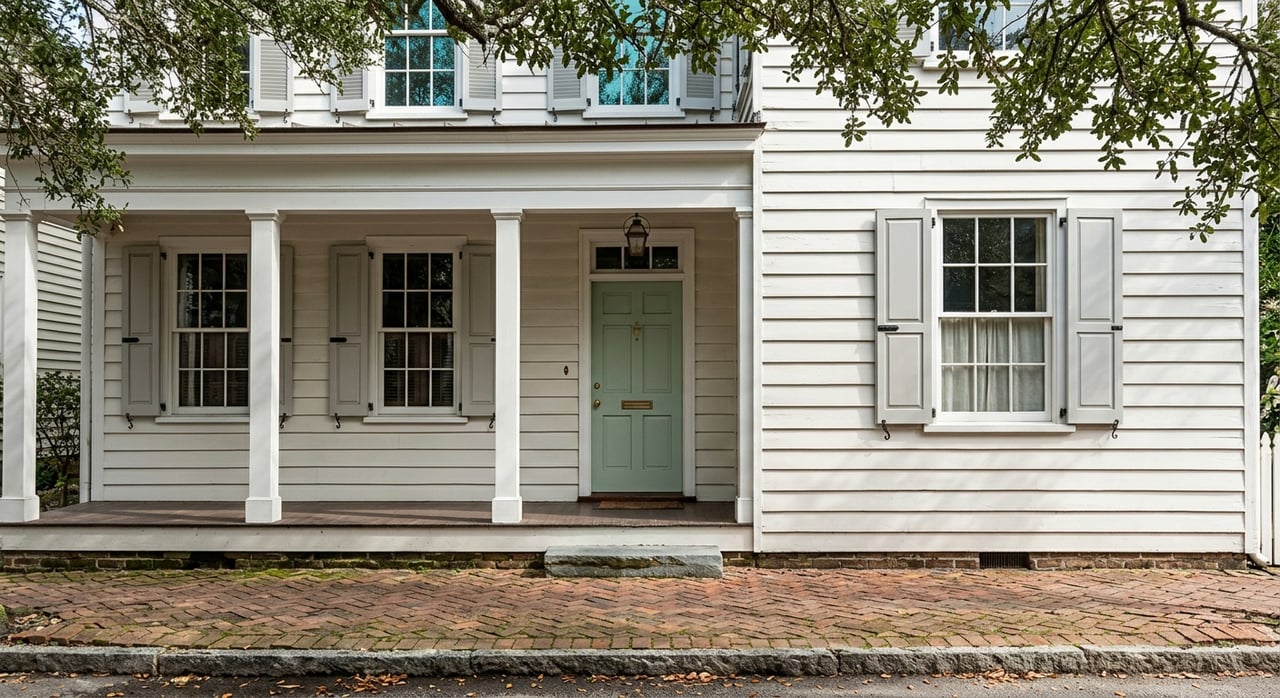
If you want downtown Charleston living that feels practical day to day, Harleston Village deserves a close look. This Lower Peninsula neighborhood offers the kind of walkability many buyers want, with parks, campus-adjacent energy, and a central location that makes it easier to enjoy Charleston without depending on your car for every errand. If you are weighing where to focus your search, this guide will show you why Harleston Village stands out and what to keep in mind before you buy. Let’s dive in.
Harleston Village at a Glance
Harleston Village sits on Charleston’s Lower Peninsula and has a distinct identity within downtown. The City of Charleston’s preservation plan places it among the peninsula’s established neighborhoods, and the College of Charleston’s main campus falls within Harleston Village’s footprint, generally running from Wentworth to Vanderhorst and from Pitt to King, according to the College of Charleston campus resources page.
That location helps explain the neighborhood’s everyday rhythm. With the College of Charleston serving a student body of 11,729 according to the city-cited quick facts, plus destinations like the Avery Research Center at 125 Bull Street, Harleston Village feels lived-in and active rather than purely visitor-oriented.
The Harleston Village Association also emphasizes quality of life, parks, resilience, and zoning and BAR review. For buyers, that signals a neighborhood where preservation and daily livability both matter.
Why Walkability Drives Demand
For many downtown buyers, walkability is not just a nice extra. It shapes how you spend your mornings, how often you use your car, and how connected you feel to the city around you.
Harleston Village scores well on that front. Redfin currently shows the neighborhood at an 89 Walk Score, 44 Transit Score, and 77 Bike Score, which supports its reputation as a place where many day-to-day trips can happen on foot or by bike.
That matters if you want a more flexible lifestyle. You may be able to walk to classes, green space, nearby dining and shopping corridors, or simply enjoy moving through downtown without planning every trip around parking.
Colonial Lake Adds Daily Livability
One of Harleston Village’s biggest lifestyle advantages is Colonial Lake. The park appears on the City of Charleston’s peninsula parks roster, and the Charleston Parks Conservancy describes it as one of the city’s most popular places for strolls and dog-walking.
It offers walking and running paths, benches, and open green space that give the neighborhood breathing room. The Conservancy also completed a 2025 revitalization of the Colonial Lake gardens, which reinforces the park’s role as a daily-use amenity rather than a one-time attraction.
For buyers, this can be a major quality-of-life factor. Easy access to open space often changes how a neighborhood feels, especially in a dense downtown setting.
Downtown Transit Supports Car-Light Living
Even highly walkable buyers usually want a backup plan. In Harleston Village, Charleston’s free DASH system helps fill that gap.
The City’s DASH service runs across the downtown peninsula and links areas including the College of Charleston and Aquarium area, Meeting Street and King Street, and the Broad Street shopping district. That network strengthens the neighborhood’s appeal if you want to keep car use lighter while still staying connected to key downtown destinations.
This does not mean every buyer can go fully car-free. It does mean Harleston Village offers more flexibility than many neighborhoods where driving is the only realistic option.
The Housing Mix Is Broader Than Many Buyers Expect
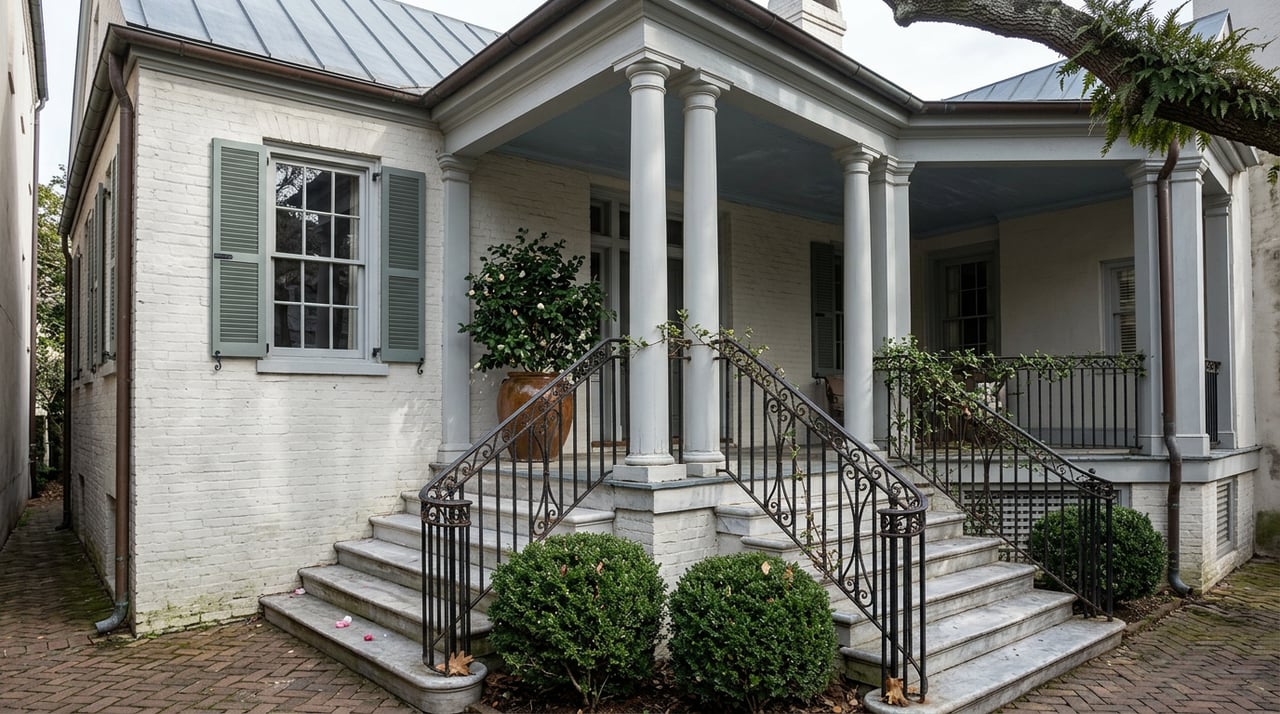
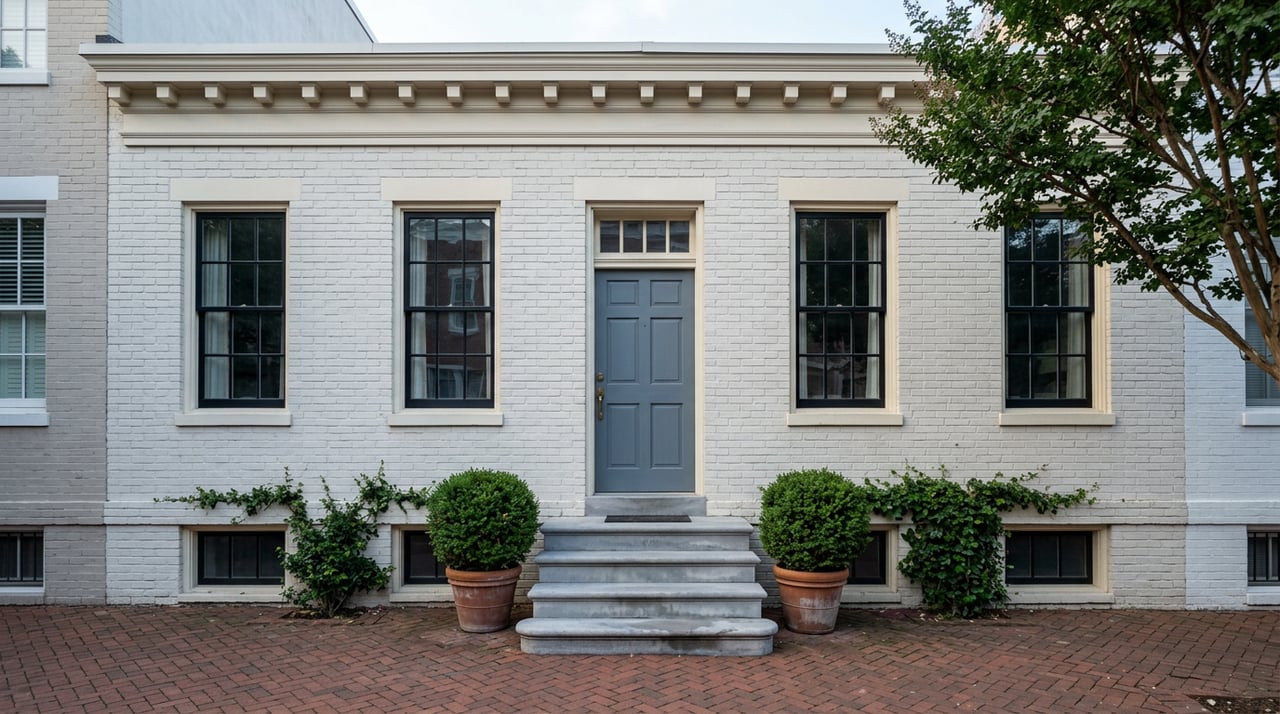
Some buyers assume historic peninsula neighborhoods are defined only by large detached homes. Harleston Village has historic character, but its housing mix is more varied than that.
The City’s preservation plan notes that the area contains a wealth of historic resources, and Charleston’s Old and Historic District has grown to more than 1,000 acres with nearly 5,000 structures built between 1712 and 1945. The plan also notes that the College includes historic houses adapted for academic use, which adds to the area’s layered architectural character.
That broader context helps explain why Harleston Village can appeal to different buyer types. If you are open to a condo, townhouse, smaller residence, or an adapted historic property, you may find options here that fit both your lifestyle and your budget more closely than you expected.
What the Market Character Suggests
Current market snapshots referenced in the research show a wide pricing range in Harleston Village. Recent sales have included everything from a one-bedroom unit on Beaufain Street to a large Wentworth Street home, illustrating that this is not a one-format neighborhood.
As of March 2026, Redfin reported a median sale price of about $1.35 million, 18 homes sold, a median market time of 66 days, a 93.9% sale-to-list ratio, and 16.7% of homes selling above list price. While inventory and pricing can shift, those figures suggest a market with meaningful value diversity inside a highly desirable downtown location.
For buyers, that means it is worth looking beyond assumptions. Harleston Village may offer more range in size, style, and price point than nearby neighborhoods with a more uniform identity.
Historic Ownership Comes With Extra Considerations
Part of Harleston Village’s appeal is its historic setting. Part of the buying process, however, is understanding what that setting can require.
Because the neighborhood sits within Charleston’s preservation framework, exterior changes may involve BAR review. The Harleston Village Association also has a zoning and BAR committee focused on those issues, which reflects how seriously design oversight and neighborhood character are taken.
That does not have to be a drawback. It simply means you should approach a purchase with clear expectations, especially if you are considering future exterior updates or improvements.
Street Rules Matter in Daily Life
Walkable downtown living often comes with routines that suburban buyers may not expect. In Harleston Village, one example is curb management.
The City of Charleston includes Harleston Village Phase 1 and Phase 2 in its alternate-side street-sweeping program. If you are buying here, it is smart to factor that into your day-to-day ownership experience, especially if parking patterns will matter to your household.
These details may seem small at first. In practice, they can shape how convenient a home feels over time.
Harleston Village vs. South of Broad
Many buyers compare Harleston Village with South of Broad, and the two areas do offer different experiences. South of Broad is formally defined by city code and is often presented through Charleston’s best-known historic and waterfront landmarks.
Harleston Village feels different. It is more closely organized around Colonial Lake, the College of Charleston, and residential streets that support a neighborhood-first rhythm.
If South of Broad often reads as Charleston’s postcard historic district, Harleston Village can feel more like an everyday downtown neighborhood. For some buyers, that blend of central location, walkability, and residential character is exactly the point.
Who Harleston Village May Suit Best
Harleston Village can be a strong fit if you want downtown Charleston to function as part of your daily routine, not just as scenery. Based on the research, it may be especially appealing if you are looking for:
- A neighborhood where many daily needs are within walking distance
- Access to peninsula transit as a practical backup
- Historic character without limiting your search to large detached homes
- A central address that feels residential and park-oriented
- A mix of condos, townhomes, and historic housing options
It can be especially attractive to urban professionals, relocators, and second-home buyers who want a central Charleston address with a true neighborhood feel.
Due Diligence Still Matters
As appealing as the lifestyle is, every downtown purchase should be evaluated carefully. The research notes that Redfin’s First Street data flags extreme flood and wind risk for the neighborhood, so property-level diligence is essential before you move forward.
That means looking beyond the block’s charm and focusing on the specifics of the home you are considering. Insurance, flood exposure, wind considerations, and any preservation-related limitations should all be part of your review process.
In a neighborhood like Harleston Village, informed buying is what lets you fully enjoy the upside of the location.
Why Buyers Keep Coming Back to Harleston Village
At its core, Harleston Village appeals to buyers because it offers something increasingly hard to find: a downtown Charleston lifestyle that feels both historic and usable. You get strong walkability, meaningful park access, campus-adjacent energy, and a housing mix that supports more than one kind of buyer.
If you are searching for a neighborhood where you can enjoy Charleston on foot and still feel grounded in a true residential setting, Harleston Village is worth serious consideration. If you want tailored guidance on buying in downtown Charleston, Crossman & Co. Real Estate offers owner-led, personalized support designed to help you evaluate the right fit with confidence.
FAQs
Why is Harleston Village considered walkable for Charleston buyers?
- Harleston Village has a reported Walk Score of 89, along with access to Colonial Lake, downtown destinations, and Charleston’s free DASH transit system.
What types of homes can buyers find in Harleston Village?
- Buyers may find a mix of historic homes, townhouses, condos, co-ops, and adaptive-reuse properties rather than one single housing type.
How does Harleston Village differ from South of Broad in Charleston?
- Harleston Village generally feels more centered on residential streets, Colonial Lake, and College of Charleston access, while South of Broad is more closely associated with Charleston’s iconic waterfront-historic image.
What should buyers know about owning in historic Harleston Village?
- Buyers should expect that some exterior changes may involve BAR review and should understand local preservation expectations before purchasing.
What practical ownership details matter in Harleston Village?
- Buyers should account for downtown routines such as alternate-side street sweeping, as well as property-level review of flood and wind considerations.