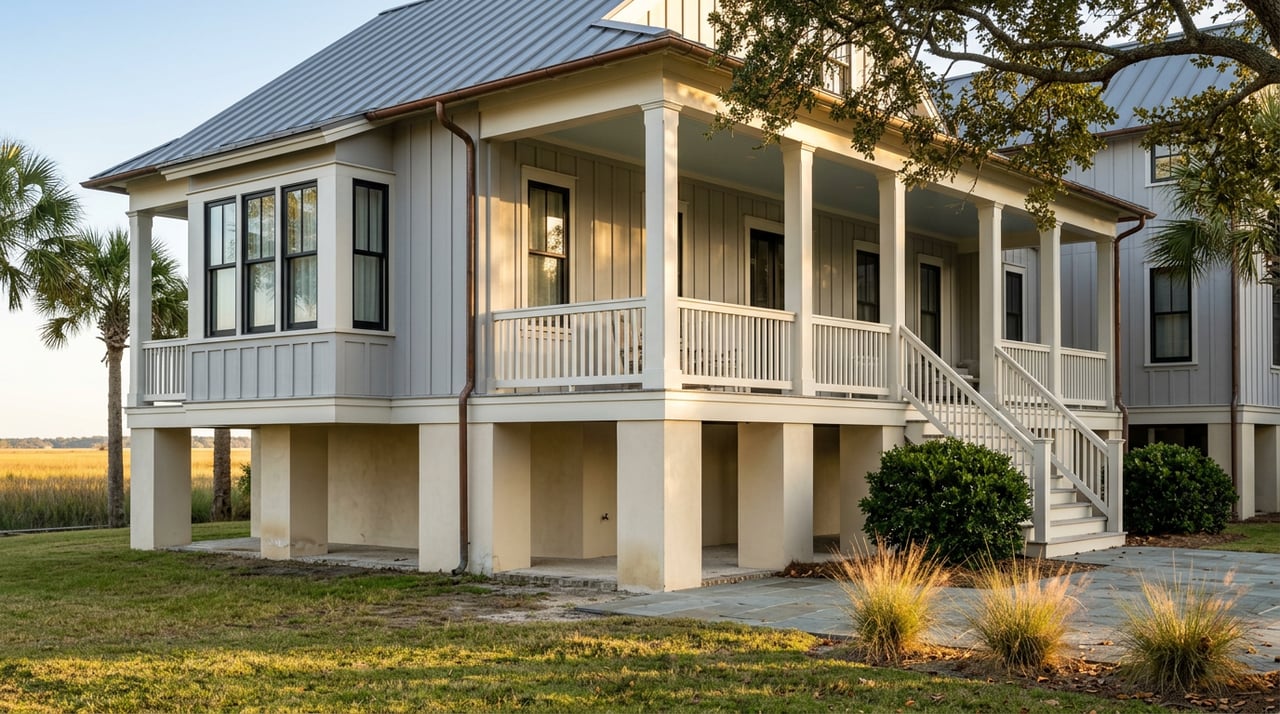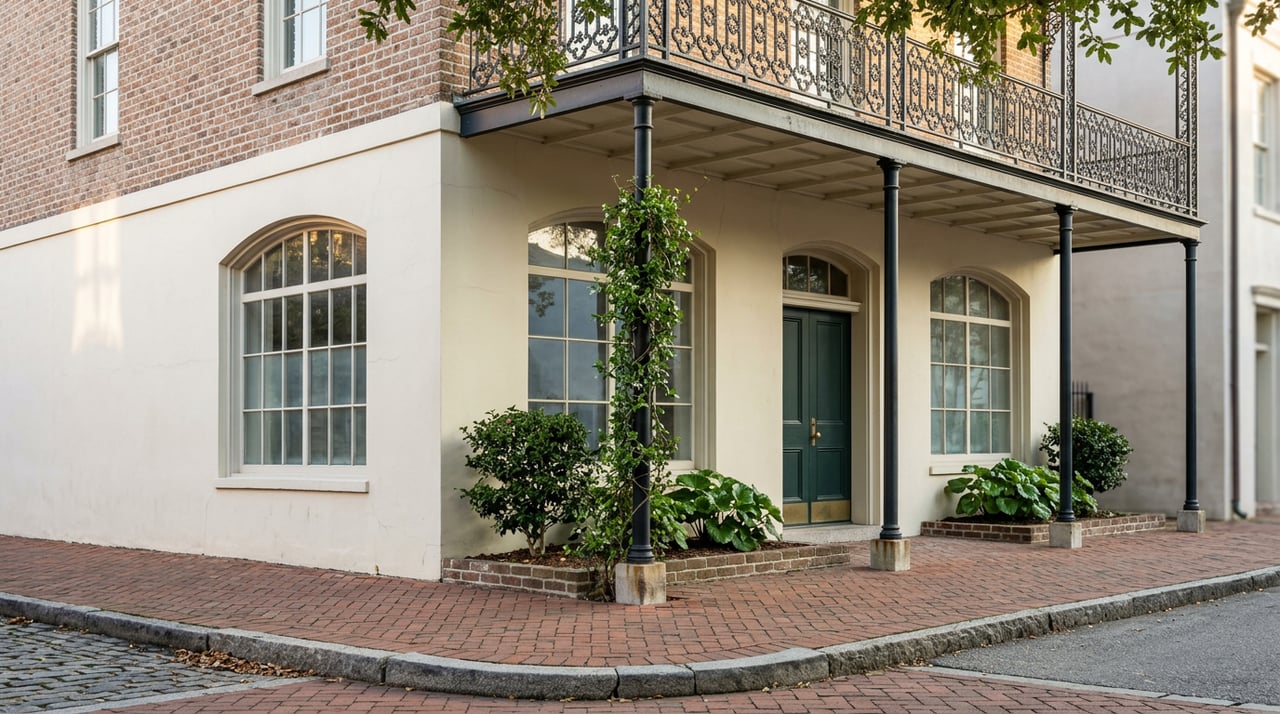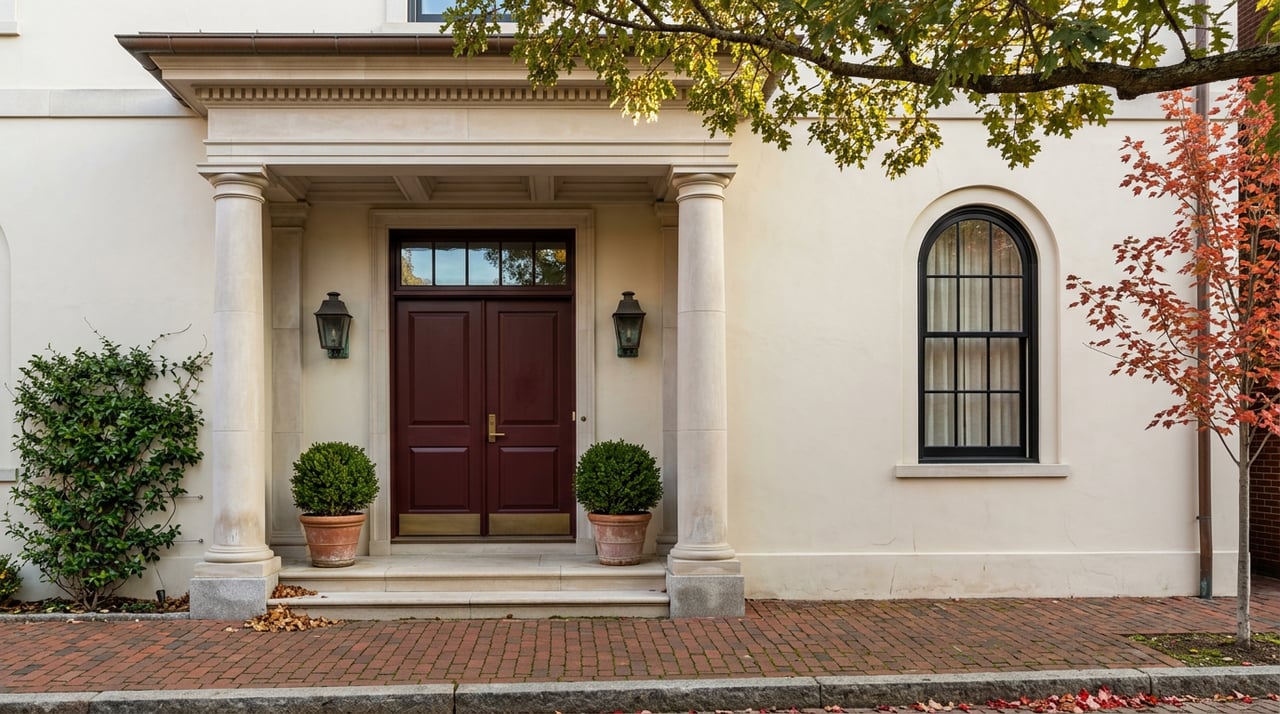
Moving from Washington, DC to Charleston can sound simple on paper, but if your calendar is already packed, the details add up fast. You may be balancing work travel, a home search, financing, and a move timeline in two very different markets at once. The good news is that with the right plan, you can make the transition feel far more organized and far less stressful. Let’s dive in.
Why Charleston appeals to DC professionals
If you are coming from DC, Charleston often stands out for a different pace of life without giving up convenience. You can still find walkable areas, dining hubs, waterfront settings, and neighborhoods with distinct character, but the overall feel is often less hurried than the Washington metro.
Travel also makes the move more workable than many buyers expect. Charleston International Airport currently offers daily service to both Washington Reagan National and Washington Dulles, which means quick scouting trips can fit into a busy work schedule.
Charleston also offers a range of lifestyle options within one metro area. You can aim for an urban setting on the peninsula, a waterfront or island environment, or a more convenience-oriented suburban area depending on how you want to live day to day.
What the Charleston market means for your timeline
As of March 2026, Charleston was characterized by Realtor.com as a buyer's market, with a median listing price of $665,000, 1,238 active listings, and a median 45 days on market. For you, that suggests a move that should be planned in weeks, not days.
That does not mean you should move slowly. It means you should move deliberately. Busy professionals usually do best when they build in time for a discovery trip, focused touring, offer strategy, closing coordination, and any overlap between selling in DC and buying in Charleston.
A rushed same-weekend decision can create unnecessary pressure. A structured plan usually leads to better decisions, especially when you are learning a new market while still managing life in another one.
Start with your Charleston lifestyle goal
Before you compare homes, define how you want Charleston to feel. This step matters because Charleston is not one single lifestyle market. Different parts of the area can offer very different daily routines.
Ask yourself a few practical questions:
- Do you want a more urban, walkable environment?
- Do you picture water access or island living?
- Do you want easier parking and a more suburban setup?
- How often will you need to fly back to DC?
- Do you want your weekends to center on restaurants, beach time, boating, or quiet residential living?
When you answer those questions first, your home search becomes clearer. You stop chasing every listing and start focusing on the areas that actually fit your life.
How Charleston submarkets compare
Downtown Charleston and the peninsula
If you want the strongest urban feel, the historic peninsula is often the first place to consider. The city's Downtown Plan and King Street profile describe this area as Charleston's business, shopping, and dining core.
For many DC buyers, this is the easiest transition because it preserves some of the walkability and energy they are used to. If you enjoy being close to restaurants, retail, and a denser street grid, downtown Charleston may feel familiar in the best way.
The city also organizes its neighborhood council structure with two downtown sectors, which reflects how central and distinct these areas are in local planning. That can be helpful when narrowing your search and learning how locals think about place.
Daniel Island and waterfront-oriented living
Daniel Island offers a different kind of convenience. The City of Charleston describes it as a 4,000-acre island between the Cooper and Wando Rivers with a pedestrian-friendly downtown, parks, and a waterfront setting.
If you want a polished, planned environment with outdoor space and water nearby, this area may be a strong fit. For many relocators, it blends neighborhood structure with a coastal setting in a way that feels easy to settle into.
Sullivan's Island and Isle of Palms
If beach access is a top priority, barrier islands deserve a separate conversation. Sullivan's Island is described by the town as a 3.5-mile barrier island near Charleston Harbor with beaches and a small-town lifestyle.
Isle of Palms describes itself as a barrier island and residential bedroom community with six miles of beaches. These areas can be appealing if your vision of Charleston includes coastal living as part of your everyday routine, not just a weekend plan.
Because these are coastal purchases, flood-zone research becomes especially important. The City of Charleston directs buyers to check FEMA or city flood map tools before buying, and the city notes that AE and VE zones are inside the Special Flood Hazard Area.
West Ashley and convenience-focused options
West Ashley can appeal to buyers who want flexibility in setting and housing style. The city's greenway plan describes the area as ranging from urban, mixed-use neighborhoods to suburban and rural-type settings.
It also highlights an 8-mile greenway and more than 42 miles of connected paths linking parks, neighborhoods, historic landmarks, commercial areas, and other destinations. If you want variety and daily convenience, West Ashley often belongs on your shortlist.
Mount Pleasant, James Island, and Johns Island
Mount Pleasant is often considered when buyers want suburban convenience with established character. Its planning office emphasizes neighborhood livability and zoning, while the Old Village Historic District reflects a harbor-facing historic core.
Johns Island and James Island should not be treated as afterthoughts. The City of Charleston groups James and Johns Islands together for neighborhood-council purposes, and Johns Island has its own community plan, which supports viewing these areas as distinct parts of a relocation search.
For you, that means island living is not one single category. Each area deserves its own discussion based on commute patterns, setting, property type, and how you want to spend your time.
Plan scouting trips with purpose
Short flights from DC make Charleston house-hunting trips realistic, but the key is using them well. A busy schedule usually calls for one of two approaches: a broader first trip to compare areas, or a tightly scheduled trip focused on a short list of homes.
A productive visit often includes:
- Touring by submarket, not just by price
- Seeing homes at different times of day
- Driving likely routes to the airport, downtown, or other routine destinations
- Comparing urban, suburban, and island options in person
- Leaving time to revisit your top choices
This kind of structure helps you avoid decision fatigue. It also gives you a more accurate feel for how each area lives beyond the listing photos.
Expect closing coordination, not a last-minute scramble
One of the biggest mistakes relocators make is assuming closing will be quick and simple just because a home is under contract. In reality, closing is the final step in buying and financing a home, and the process of collecting signatures can take several weeks.
That is one reason a phased strategy often works better than trying to sell in DC and buy in Charleston on the exact same day. If your schedule is demanding, a little breathing room can reduce stress and help protect your decision-making.
Before closing, review your Closing Disclosure carefully. You will want to verify your loan terms, closing costs, and Cash to Close, since the funds needed at closing often must be delivered by cashier's check or wire transfer.
Understand South Carolina remote-closing details
Many busy professionals hope to handle as much of the transaction remotely as possible. In South Carolina, that can be workable, but it still has rules.
The South Carolina Secretary of State says a notary must confirm that the signer is physically present, and the state also allows electronic notarization through its portal. In practical terms, parts of your closing may be coordinated from afar, but notarized portions still need to comply with the state's physical-presence requirement.
After execution, the transaction still ends with local recording. In Charleston County, the Register of Deeds records deeds, mortgages, liens, and plats, which means even a remote-friendly process still connects back to local county procedures.
Protect yourself from wire fraud
Closing week is busy, and scammers know it. Consumer guidance warns that buyers are often targeted in the days before closing, especially when wire instructions are involved.
Treat phone verification as mandatory before you send funds. If anyone pressures you to move money quickly or sends last-minute changes by email, stop and verify everything through a trusted phone number you already know.
A calm, careful pause is always better than a rushed mistake. This is one part of the move where extra caution is worth every minute.
Why one point of contact helps
When you are relocating between two active metros, the real challenge is often not finding a house. It is keeping the entire process aligned.
Crossman & Co. Real Estate is positioned for that kind of move, with service in Charleston as well as Washington, DC and Northern Virginia. For busy professionals, that bi-regional presence can make it easier to coordinate tours, offer timing, market context, and referrals without juggling disconnected contacts.
The brokerage also notes that its MLS-fed data updates every 15 minutes, which supports faster inventory awareness when timing matters. If you are trying to make smart decisions between meetings, travel, and deadlines, that kind of responsiveness can make the search feel more manageable.
A smoother move starts with a smarter plan
A move from DC to Charleston does not need to feel chaotic. When you define your lifestyle goals early, compare submarkets clearly, plan travel with purpose, and build in enough time for closing logistics, the process becomes much easier to manage.
For many professionals, the best result comes from treating the move as a coordinated transition rather than a series of rushed tasks. Charleston offers distinct ways to live, and finding the right fit is easier when your search is organized around how you actually want your days to look.
If you are planning a move from DC to Charleston and want senior-level guidance across both markets, Crossman & Co. Real Estate can help you build a clear, well-orchestrated plan.
FAQs
What makes Charleston practical for Washington, DC professionals?
- Charleston International Airport offers daily service to Washington Reagan National and Washington Dulles, which makes short scouting trips and return travel more manageable.
What does the Charleston housing market mean for relocation timing?
- As of March 2026, Charleston was reported as a buyer's market with 1,238 active listings and 45 median days on market, so most buyers should plan in weeks rather than trying to move in just a few days.
Which Charleston area feels most urban for DC buyers?
- Downtown Charleston and the historic peninsula are often the strongest fit for buyers who want walkability, dining, shopping, and a denser urban environment.
What should buyers know about Charleston flood zones?
- For coastal purchases, the City of Charleston advises buyers to check FEMA or city flood map tools before buying, especially because AE and VE zones fall within the Special Flood Hazard Area.
Can you close on a Charleston home remotely from DC?
- Parts of the process may be coordinated from afar, but South Carolina requires a notary to confirm the signer is physically present for notarized portions, even though the state also allows electronic notarization through its portal.
How can buyers reduce wire fraud risk during a Charleston closing?
- Always verify wiring instructions by phone through a trusted number before sending funds, especially if you receive any last-minute changes or urgent payment requests.