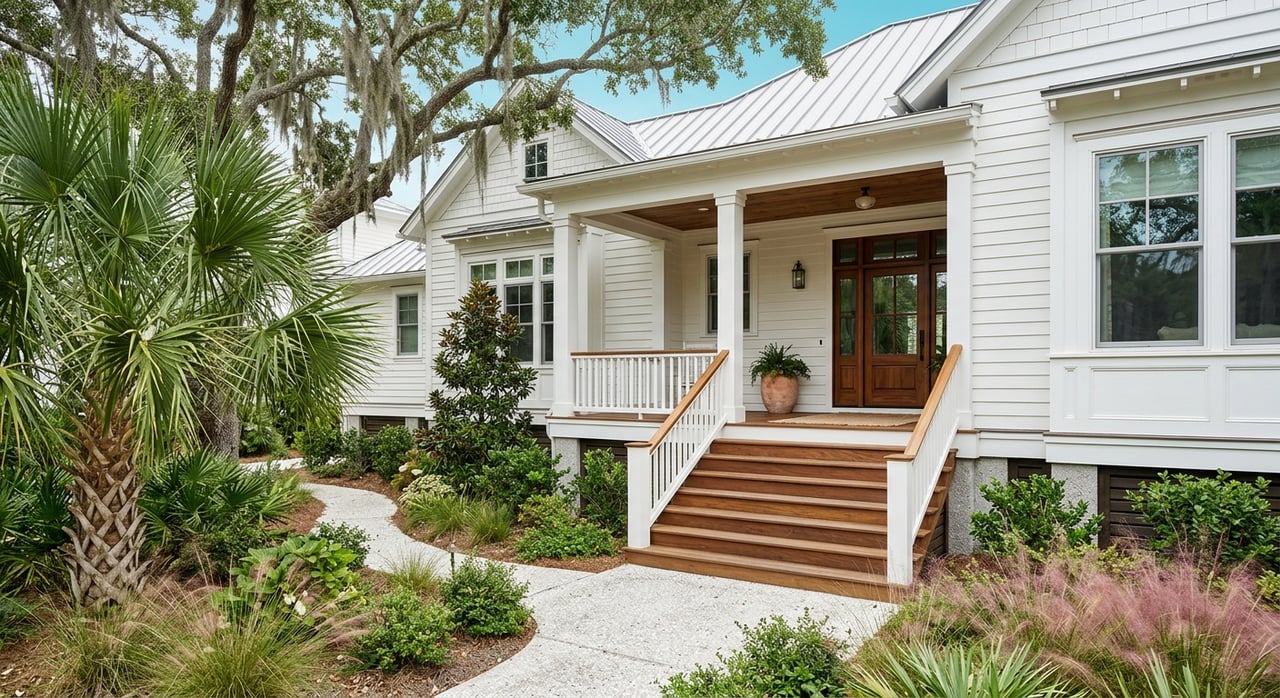
If you are getting ready to sell a second home on Kiawah Island, you are not just putting a property on the market. You are managing a coastal asset, a gated-island process, and often a long-distance to-do list all at once. The good news is that with the right preparation, you can make your home feel polished, compliant, and easy for buyers to say yes to. Let’s dive in.
Understand the Kiawah listing landscape
Kiawah Island remains a high-value coastal market, but different data sources frame the market a little differently. Recent snapshots show home values and pricing in the multi-million-dollar range, with active listings and days on market varying by source. The most practical takeaway is simple: Kiawah is an expensive and active market, and your listing strategy should be tailored to your property rather than built around one headline statistic.
That matters even more for a second home. Buyers on Kiawah are often comparing lifestyle, condition, ease of ownership, and location within the island just as much as price. If your home is well presented and easy to evaluate from a distance, it can stand out in a meaningful way.
Start with island approvals
One of the biggest mistakes second-home sellers make is assuming the process works like a typical neighborhood HOA. On Kiawah Island, more than one layer may affect your pre-listing work. The Town of Kiawah Island, KICA, and the Architectural Review Board can all play a role depending on the property and the work being done.
Before you schedule repairs or cosmetic updates, confirm what applies to your home. The island’s own materials show that town rules, covenant rules, and ARB standards may all matter. In other words, town approval alone may not be enough if KICA or ARB requirements also apply.
Why this matters for sellers
If you are replacing fixtures, updating landscaping, making exterior repairs, or tackling a larger refresh, timing can shift quickly if approvals are needed. KICA states that encroachment permits are required for interior, exterior, and landscape projects such as additions, remodels, and upgrades to electrical, mechanical, and plumbing systems. ARB materials also state that approval is required before construction begins.
For a remote owner, that means your prep calendar should begin earlier than you might expect. A rushed plan can create delays right before photography or showings, which is the last place you want friction.
Plan vendor access early
Kiawah’s gate-access rules are a real listing consideration, especially if you live elsewhere and rely on contractors, cleaners, photographers, or handymen. KICA requires commercial businesses, contractors, service providers, vendors, and delivery companies to obtain gate passes and provide documentation. Work is also limited to set hours, with no Sunday work and additional holiday blackout dates.
This can affect even small jobs. A painter, landscaper, cleaner, and photographer may each need coordinated access, and missing one detail can throw off your timeline. For that reason, second-home sellers usually benefit from one organized local point of contact who can keep vendors moving in the right order.
If the property has been rented
If your Kiawah home has been used as a rental, it is smart to sort out access and scheduling before you switch into listing mode. KICA notes that short-term rentals are those under 30 consecutive days, and pass procedures differ depending on whether rentals are agency managed or owner managed. That matters if you are juggling guest stays, deep cleaning, maintenance, and listing prep in the same window.
A clean transition from rental use to sale preparation helps avoid access issues and last-minute confusion. It also helps your home show as more turnkey and more thoughtfully managed.
Choose the right launch window
Kiawah can be marketed year-round, but the most practical showing and preparation windows are often spring and fall. Charleston’s climate is generally milder in those seasons, while summer tends to be warmer, more humid, and more weather sensitive. That makes shoulder-season photo shoots, inspections, and vendor scheduling easier in many cases.
This does not mean you must wait for a perfect month. It means you should think strategically about timing. If your home needs updates, maintenance, or exterior work, build in enough lead time to finish those items before weather and scheduling become harder to manage.
Watch the hurricane calendar
For coastal sellers, insurance and repair decisions should not be left to the last minute. The South Carolina Department of Insurance warns that standard homeowners insurance does not cover flood damage, including storm surge, and that flood insurance has a 30-day waiting period. NOAA defines Atlantic hurricane season as June 1 through November 30.
If there are unresolved insurance questions, storm-related repairs, or deferred maintenance items, address them well before peak season. Buyers notice when a coastal property feels buttoned up, and they also notice when important details still feel unsettled.
Stage for Kiawah buyers
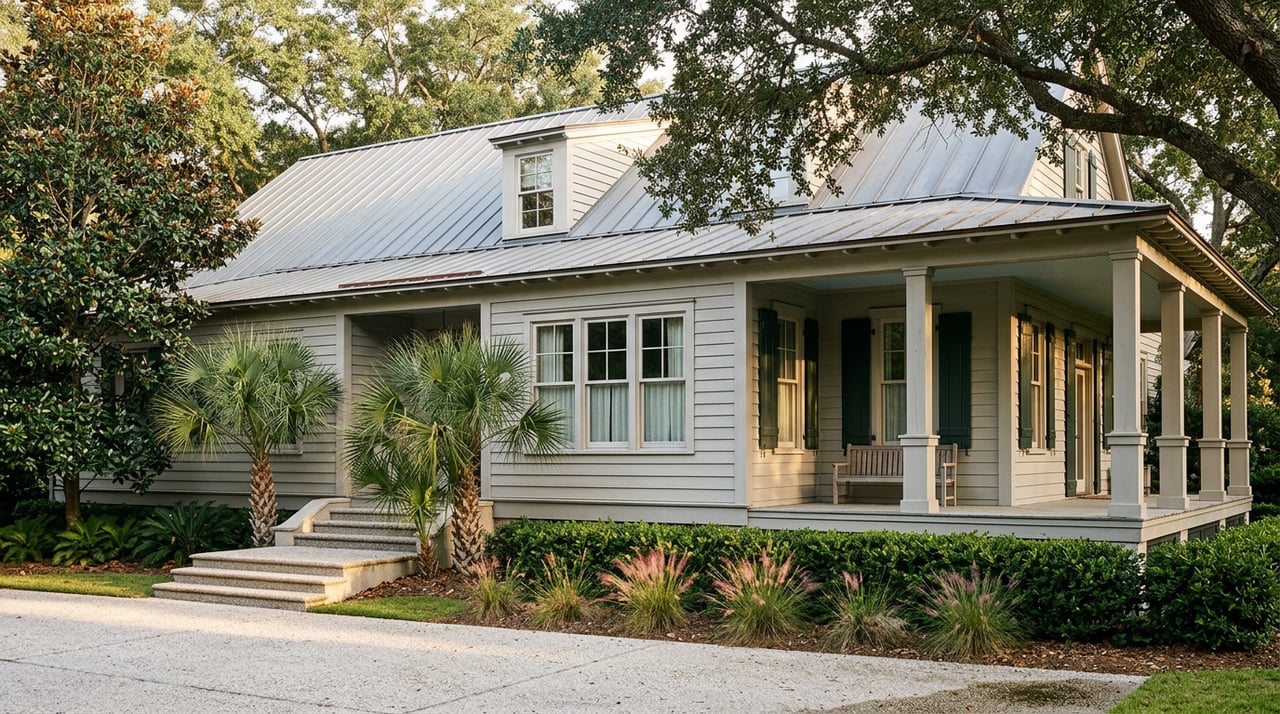
Kiawah’s design language is a major clue for how to prepare your home. The island’s official design guidance emphasizes homes that complement nature rather than compete with it, with attention to views, privacy, neighboring context, materials, trees, and topography. For sellers, that points to a presentation style that feels calm, natural, and visually quiet.
Think less about heavy decor and more about clarity. Your home should feel bright, open, and connected to the landscape. Buyers are often responding to indoor-outdoor flow, natural light, and how the property supports time on the island.
What staging should emphasize
A strong Kiawah presentation often includes:
- Neutral, organic tones
- Uncluttered rooms with clean sightlines
- Open views toward porches, decks, landscaping, or water if applicable
- Furniture layouts that show easy entertaining and low-maintenance living
- Crisp, well-lit spaces that photograph clearly
The goal is not to over-style the home. The goal is to let the setting, architecture, and lifestyle come through.
What to remove before listing
Kiawah places clear value on appearance and order. Local guidance notes that bikes should be stored out of sight, beach equipment should not be visible from the street, towels and clothing should not be draped over deck railings, and overnight parking must be off-street. Noise, lighting, occupancy, and pet rules also apply.
For listing prep, that means removing visual clutter and anything that suggests disorder or deferred maintenance. Put away beach gear, simplify outdoor areas, clear personal storage overflow, and make sure the property presents as clean and well kept from the moment a buyer arrives.
Build a digital-first listing package
A digital-first approach makes particular sense on Kiawah Island. Many buyers are evaluating properties from outside the market, the island is gated, and access is controlled. That means your online presentation often does the first round of selling before an in-person visit ever happens.
For a second home, high-quality visuals and organized documents are not optional. They help reduce uncertainty for remote buyers and make your home easier to understand from the start.
What to prepare
Before your home goes live, aim to have:
- Professional photography
- Floor plans if available
- Video or strong visual walkthrough content
- Recent maintenance records
- Permit history where applicable
- Regime or HOA-related documents if applicable
- Rental-status details if relevant
- Insurance information ready for review
When buyers can quickly understand the home, the upkeep, and the ownership picture, your listing tends to feel more credible and easier to act on.
Make ownership feel easy
On Kiawah, buyers are often purchasing more than square footage. They are buying access to a particular coastal experience shaped by shoreline, waterways, outdoor living, and resort-style amenities. Your listing should help them picture not just the property itself, but how comfortably they can own and enjoy it.
That is especially important with a second home. If the property looks hard to manage from afar, buyers may hesitate. If it looks orderly, well documented, and ready for the next chapter, they are more likely to move forward with confidence.
Focus on turnkey appeal
Turnkey does not always mean newly renovated. It means the home feels cared for, understandable, and ready to use. In practice, that can include completed maintenance, a simplified furnishings plan, clean records, and a smooth handoff from rental or seasonal use into sale condition.
A polished listing sends a powerful message. It tells buyers the home has been responsibly owned, thoughtfully prepared, and positioned with care.
If you are preparing to list a second home on Kiawah Island, a thoughtful plan can save time, reduce stress, and strengthen your result. From coordinating access and approvals to refining presentation and digital marketing, the details matter here. When you are ready for principal-level guidance and a high-touch listing strategy, schedule your free consultation with Crossman & Co. Real Estate.
FAQs
What should you do first before listing a second home on Kiawah Island?
- Start by confirming which requirements apply to your property through the Town of Kiawah Island, KICA, and the ARB if you plan to make repairs or improvements before listing.
Do Kiawah Island contractors need gate access to work on your home?
- Yes. KICA requires contractors, vendors, and service providers to obtain gate passes, provide documentation, and follow set work hours.
Is town approval enough for pre-listing work on Kiawah Island?
- No. Island materials indicate that town rules, KICA requirements, and ARB standards can all matter, and KICA notes its rules may be more restrictive than federal, state, or local law.
When is the best time to list a second home on Kiawah Island?
- Spring and fall are often the most practical seasons for showings, photography, inspections, and vendor scheduling because Charleston weather is typically milder then.
How should you stage a Kiawah Island second home for sale?
- Focus on a calm, natural presentation with neutral colors, uncluttered rooms, strong light, and clear connections to outdoor spaces, while removing beach gear and visible visual clutter.
What documents should you gather before listing a Kiawah Island second home?
- Prepare maintenance records, permit history, regime or HOA documents if applicable, rental-status information, and insurance details so remote buyers can evaluate the property more easily.