If you are looking at Cannonborough-Elliottborough as an investment play, the biggest mistake is assuming downtown demand automatically equals easy returns. This neighborhood can offer strong long-term upside, but it also comes with high entry costs, tight rules, and parcel-by-parcel limitations that can change your entire strategy. If you want to buy wisely, you need to understand what drives demand, where the numbers point, and which use types actually fit the rules. Let’s dive in.
Why investors watch Cannonborough-Elliottborough
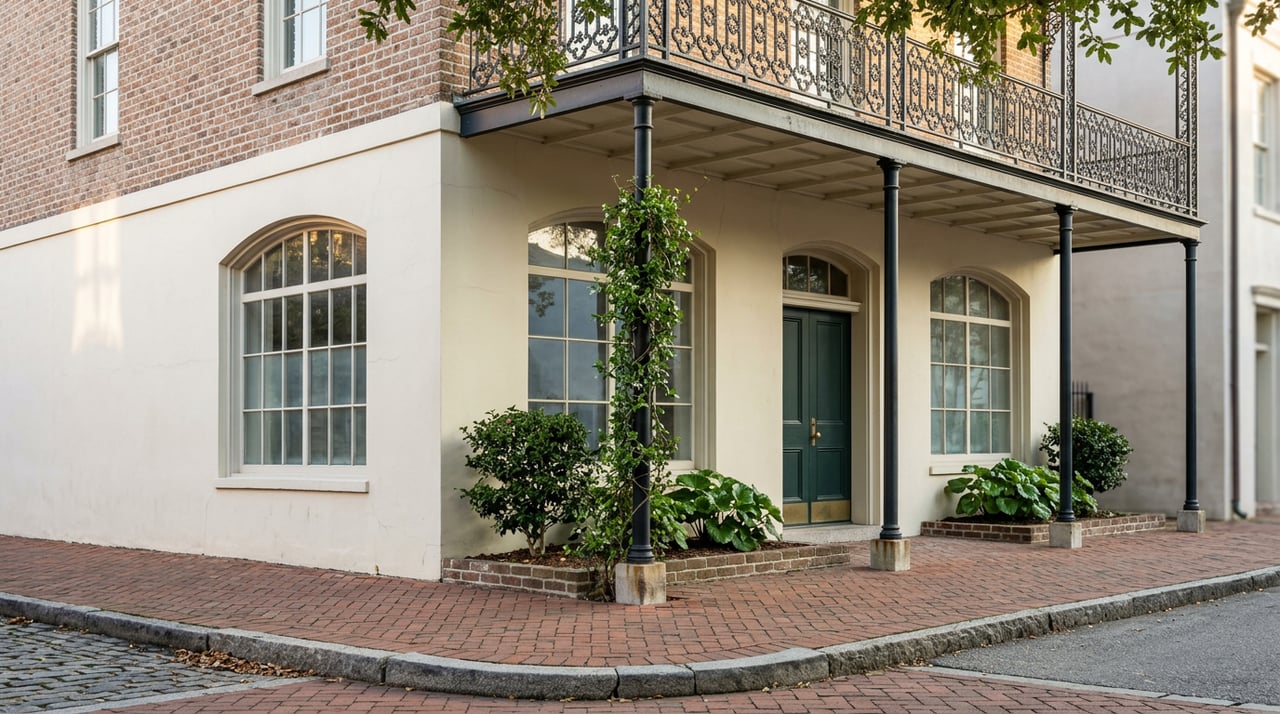
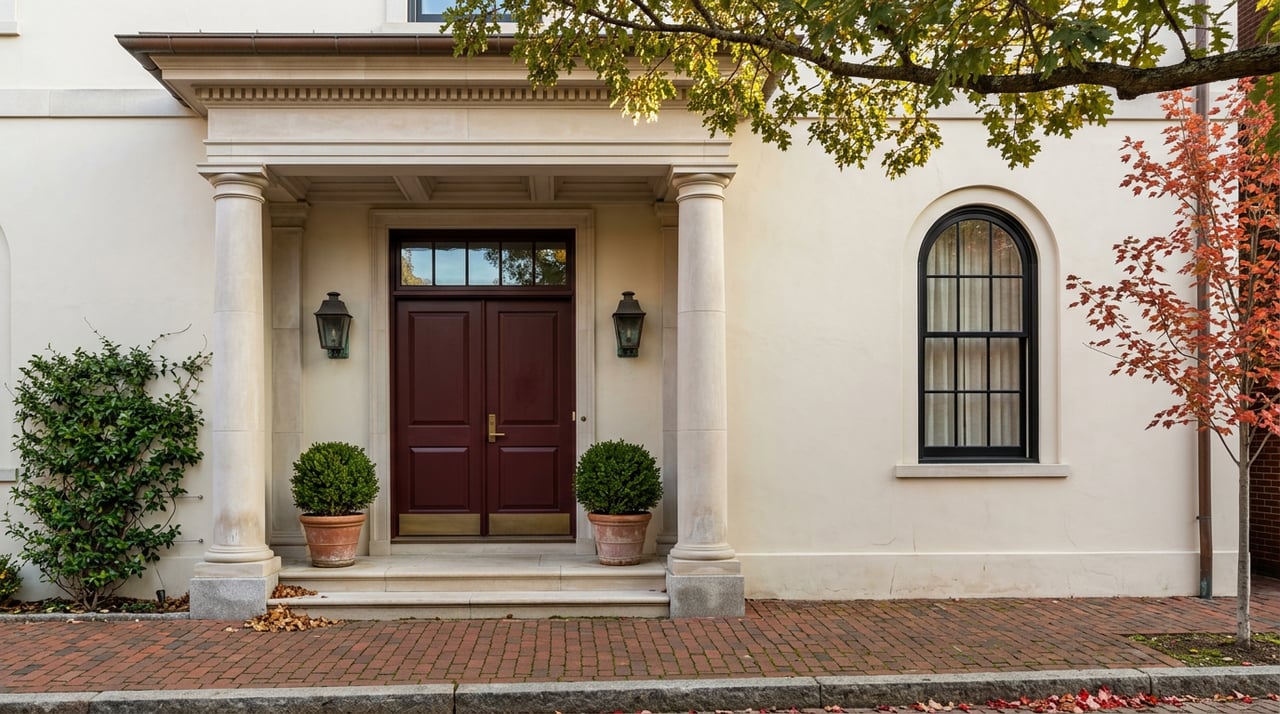
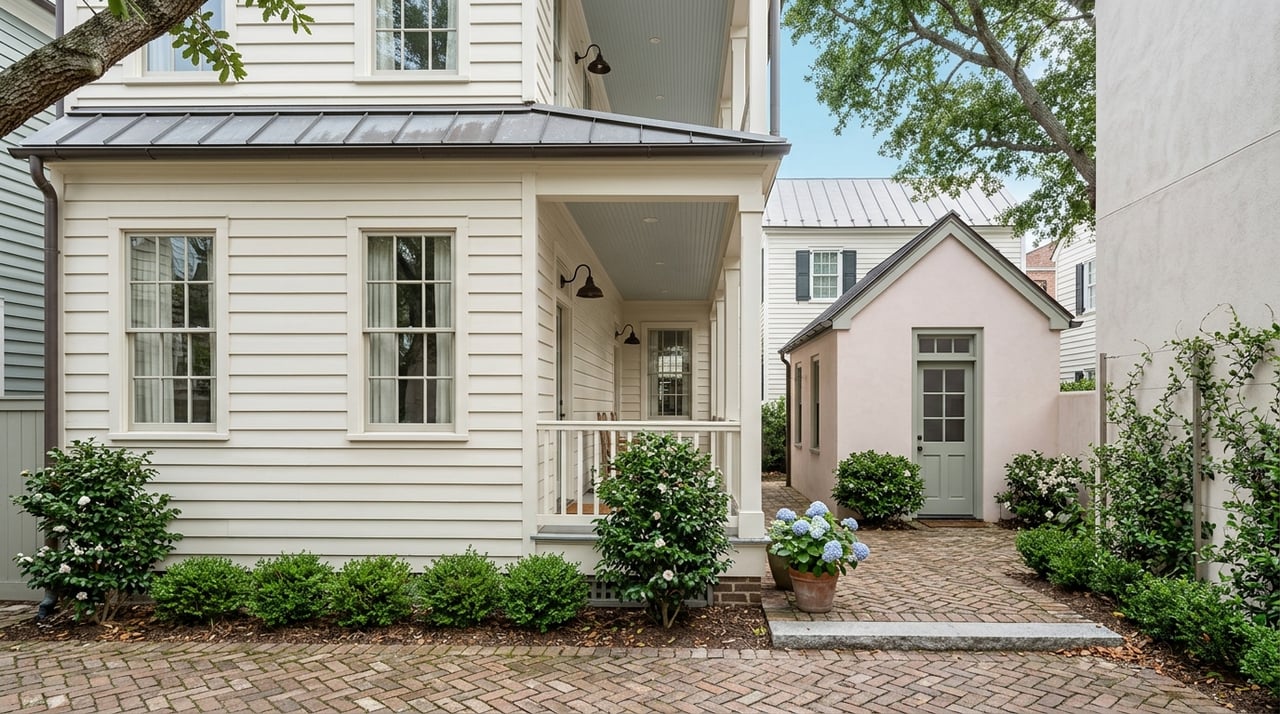
Cannonborough-Elliottborough stands out because it is not just another downtown neighborhood. The City of Charleston recognizes it as a distinct historic peninsula area, and the Area Character Appraisals highlight its varied architecture and cultural character.
That mix matters when you invest. The neighborhood includes historic housing, mixed-use properties, and commercial corridors that create a different value profile than a purely residential area. For many buyers, that combination supports both long-term desirability and resale appeal.
Location is another major draw. The Spring Cannon Corridor Plan connects the area to the Crosstown, Ashley River bridges, and Upper King Street, while emphasizing pedestrian access and concentrated commercial activity along Spring and Cannon Streets.
For you as an investor, that usually translates into the features renters and future buyers notice first: walkability, access to retail and dining, and proximity to major employers and institutions. In a downtown submarket, those fundamentals can be just as important as the property itself.
What supports rental demand
A key advantage here is that the renter base is broader than many people assume. This is not a neighborhood driven only by visitor traffic or weekend demand.
MUSC’s 2025 Annual Security Report notes an estimated daily population of about 26,000 people tied to its downtown campus and hospital authority, including roughly 3,200 registered students and about 13,600 employees, residents, fellows, faculty, staff, and volunteers. The College of Charleston also draws approximately 11,000 students to its downtown campus, according to its employment information cited in the research.
That creates a real housing base for long-term rentals. Students, medical workers, faculty, and staff often want housing close to the peninsula, and Cannonborough-Elliottborough sits near those demand centers.
Still, demand alone does not guarantee performance. A 2020 city planning hearing record shows that one owner marketed a property to college and medical students, including through MUSC channels, but said the long-term rental effort still did not pencil. That is a useful reminder that product type, condition, pricing, and compliance still drive results.
Market snapshot and likely returns
If you are underwriting a purchase here, the first thing to know is that this is not a simple cash-flow neighborhood. According to Realtor.com’s February 2026 neighborhood snapshot, Cannonborough-Elliottborough had:
- A median home sale price of $1.76 million
- A median rent of $3,025 per month
- 65 rentals listed
- 17 homes for sale
- A median of 41 days on market
- Average sales at about 97% of asking price
Using those median sale and rent figures, the rough gross rent-to-price ratio is about 2.1% before vacancy, insurance, repairs, taxes, financing, and management. That is not a cap rate, but it does give you direction.
In plain terms, this neighborhood is more likely to appeal to investors who value scarcity, appreciation potential, and strategic use rights than to those seeking strong immediate cash flow. The inventory picture also appears relatively tight, which can support pricing but makes disciplined underwriting even more important.
Long-term rentals come with registration rules
If your plan is a traditional rental, you need to know that Cannonborough-Elliottborough has added administrative requirements. The city launched a long-term rental registration pilot in the neighborhood in 2023.
Property owners and managers must register each long-term residential rental unit. The fee is $40 per TMS plus $10 per unit up to $100, and owners with five or more long-term units in the city must also hold a business license.
If you live out of state, the city requires a responsible local representative within 30 miles of Charleston. For out-of-market investors, that is an important operational detail to budget for before closing.
Short-term rentals are highly parcel-specific
Short-term rental strategy in Cannonborough-Elliottborough is where many investors get tripped up. You cannot assume a property in the neighborhood automatically qualifies for investor-owned short-term use.
The city defines the Short-Term Rental Overlay Zone as a downtown zoning overlay within Cannonborough-Elliottborough where commercial short-term rentals may be allowed as a conditional use on commercially zoned parcels. Depending on the zoning, a property in that overlay may qualify for either a Bed & Breakfast permit or a Commercial Short-Term Rental permit.
That is very different from a standard residential investment property. Outside that specific commercial path, the city’s short-term rental FAQ says residential short-term rentals require owner occupancy and a 4% legal-residence tax classification, and investment properties are not eligible for residential STR permits.
Permits and business licenses renew annually, and repeated code violations can lead to revocation. In other words, if you are buying for STR income, you need to verify the exact parcel, zoning, and permit path before you build your numbers.
Historic district limits can tighten the path
If the property falls in the Old and Historic District, rules can be stricter still. The city’s Category 1 standards note limits such as one STR unit maximum, additional off-street parking, and a requirement that the STR be within an existing structure or accessory building individually listed on the National Register of Historic Places.
For you, that means two homes only blocks apart may have very different income options. In this neighborhood, the address matters as much as the asset class.
ADUs and house-hacking options
For some buyers, the more realistic strategy is owner-occupied investing rather than pure investor ownership. Accessory Dwelling Units, or ADUs, can be part of that plan, but they also come with clear restrictions.
The city’s ADU guidance says one ADU may be approved per lot in any base zoning district. It can be inside the main building or in a detached accessory structure, but it cannot exceed 850 square feet of conditioned floor area and requires parking.
The bigger issue is use. Lots with an ADU are not eligible for a short-term rental permit, and the recorded covenants require either the principal dwelling or the ADU to be owner-occupied if the units are rented separately.
That makes ADUs more of a house-hack or flexible long-term living strategy than a pure STR tool. If your goal is offsetting costs while living on-site, an ADU may be worth exploring. If your goal is maximum tourism income, it may conflict with that plan.
Tax treatment can affect carrying costs
Owner occupancy can matter on the tax side as well. Charleston County’s tax exemption guidance explains that a home you own and occupy as your primary legal residence may qualify for the 4% assessment ratio, while legal residences in South Carolina are assessed at 4% and second homes at 6%.
That difference can materially change your monthly carrying costs. For some buyers, the owner-occupied route may improve the math more than expected.
Main risks to underwrite before you buy
In Cannonborough-Elliottborough, a good investment decision usually comes down to what you confirm before you go under contract. Historic review, flood exposure, and regulatory limits can all affect timeline, budget, and exit strategy.
Historic review can impact renovation plans
The city’s Board of Architectural Review reviews certain new construction, exterior alterations, renovations visible from the public right-of-way, and some demolitions in historic districts. If the building is older or in a protected area, exterior work may face tighter review than buyers expect.
That can affect design flexibility, construction timing, and total project cost. If your strategy depends on a quick renovation or major exterior changes, this needs to be part of your underwriting from day one.
Flood and insurance deserve serious attention
Flood risk is another issue you should not treat as a footnote. Charleston’s floodplain resources direct buyers to FEMA maps, elevation certificates, and flood-hazard information, and the city notes that even properties outside a FEMA Special Flood Hazard Area can still face drainage issues or other flood exposure.
On the peninsula, insurance and flood due diligence can have a meaningful impact on returns. Before you finalize numbers, it is smart to review flood zone status, elevation details, and likely insurance costs.
Future rules may remain a factor
The neighborhood has also seen ongoing public debate about the balance between housing use and short-term rental activity. City hearing records show that this topic has remained active over time, which suggests future rule changes or enforcement actions may continue to be part of the investment landscape.
That does not mean you should avoid the neighborhood. It means you should favor strategies that are durable, clearly compliant, and less dependent on optimistic assumptions about future regulation.
Best-fit investment strategies here
For most buyers, Cannonborough-Elliottborough makes the most sense in one of three lanes:
- Long-term rentals with realistic expectations around registration, operating costs, and modest current yield.
- Owner-occupied house-hacks that take advantage of legal-residence tax treatment and ADU flexibility where allowed.
- Narrowly compliant commercial STR or B&B opportunities on parcels that clearly support that use.
What usually works less well is buying with a vague plan to “figure out STR later.” In this neighborhood, assumptions can get expensive quickly.
What to confirm before making an offer
Before you run final numbers on any property in Cannonborough-Elliottborough, confirm these points:
- Exact parcel zoning
- Whether the property sits in the STR overlay zone
- Whether the site is in the Old and Historic District
- Whether an ADU is possible and whether it would affect STR eligibility
- Parking count and parking requirements
- Flood zone and elevation details
- Whether planned work will trigger BAR review
- Long-term rental registration requirements
A disciplined pre-offer review can save you time, money, and frustration. In a neighborhood like this, the best investor edge is often not speed alone, but knowing which opportunities actually fit the rules.
If you want experienced, neighborhood-specific guidance as you weigh an investment purchase in downtown Charleston, Crossman & Co. Real Estate offers the kind of owner-led, high-touch insight that helps you look beyond the headline and focus on the details that matter.
FAQs
What makes Cannonborough-Elliottborough attractive for real estate investors?
- The neighborhood combines a central peninsula location, mixed-use character, walkability, and proximity to major institutions like MUSC and the College of Charleston, all of which can support housing demand and long-term desirability.
What are the current home prices and rents in Cannonborough-Elliottborough?
- Based on February 2026 neighborhood data from Realtor.com, the median home sale price was $1.76 million and the median rent was $3,025 per month.
Can you use an investment property as a short-term rental in Cannonborough-Elliottborough?
- Not automatically. Short-term rental eligibility depends on the exact parcel, zoning, and permit path, and standard investor-owned residential properties are not eligible for residential STR permits under the city’s rules.
How do long-term rental rules work in Cannonborough-Elliottborough?
- The city requires long-term residential rental units in the neighborhood to be registered, and out-of-state owners must appoint a responsible local representative within 30 miles of Charleston.
Can an ADU help with house-hacking in Cannonborough-Elliottborough?
- Yes, in some cases, but ADUs are limited to one per lot, require parking, cannot exceed 850 square feet of conditioned space, and lots with an ADU are not eligible for a short-term rental permit.
What should you verify before buying an investment property in Cannonborough-Elliottborough?
- You should confirm parcel zoning, overlay status, historic district location, parking, flood exposure, ADU rules, BAR review risk, and the exact rental registration or permit requirements tied to the property.