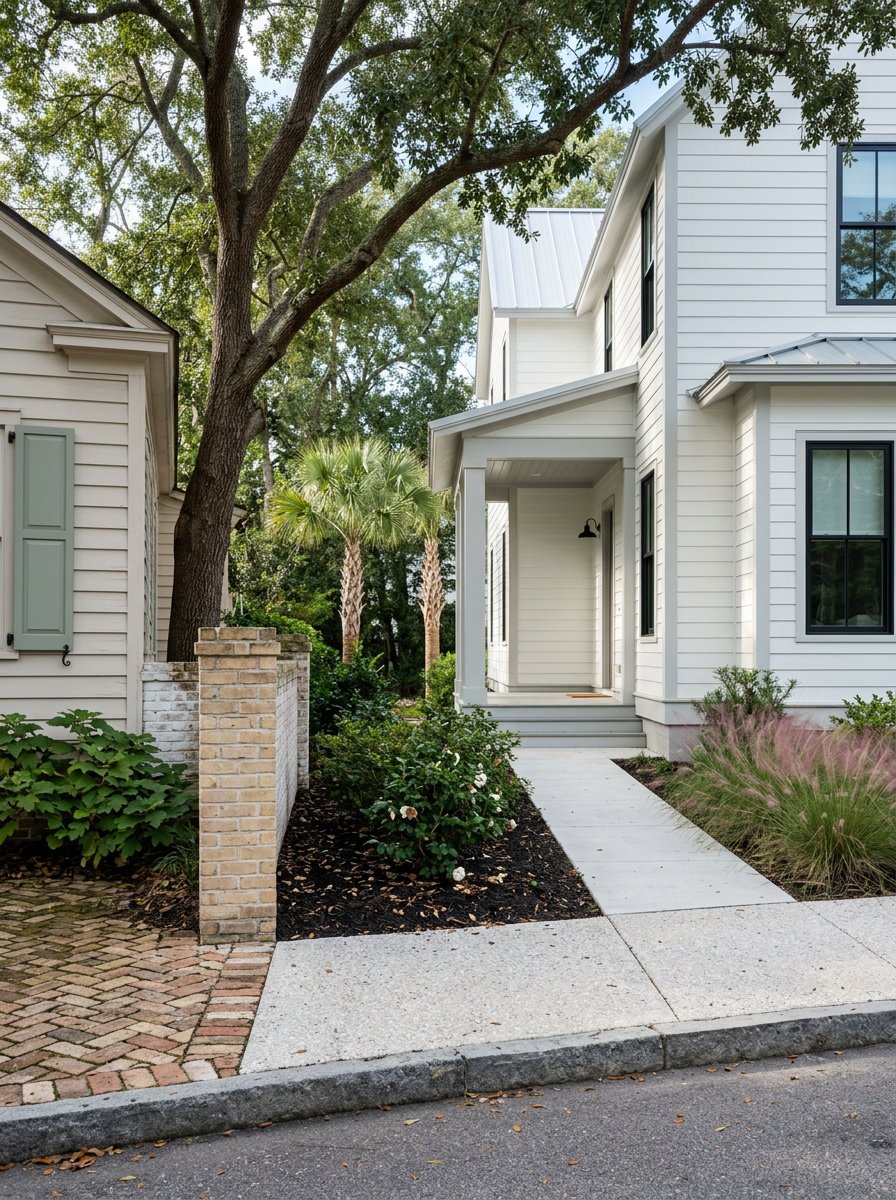
Trying to decide between a shiny new build and a tree‑lined, in‑town street in Mount Pleasant? You are not alone. Both options offer real benefits, and both come with tradeoffs you want to understand before you write an offer. In this guide, you will learn what you actually get with each choice, how location and flood risk shape long‑term costs, and a simple checklist to make a confident decision. Let’s dive in.
Mount Pleasant at a glance
Mount Pleasant is a fast‑growing, high‑value coastal market. The median value of owner‑occupied homes is about $748,500 based on 2020–2024 ACS data, which sets a useful baseline as you compare neighborhoods and property types. You will see wide price variation by proximity to downtown, water access, and neighborhood character. Commute times vary too, with a mean of 24.9 minutes across the town, so it pays to test your routes at peak hours. Census QuickFacts provides the current baseline.
What you get with new construction
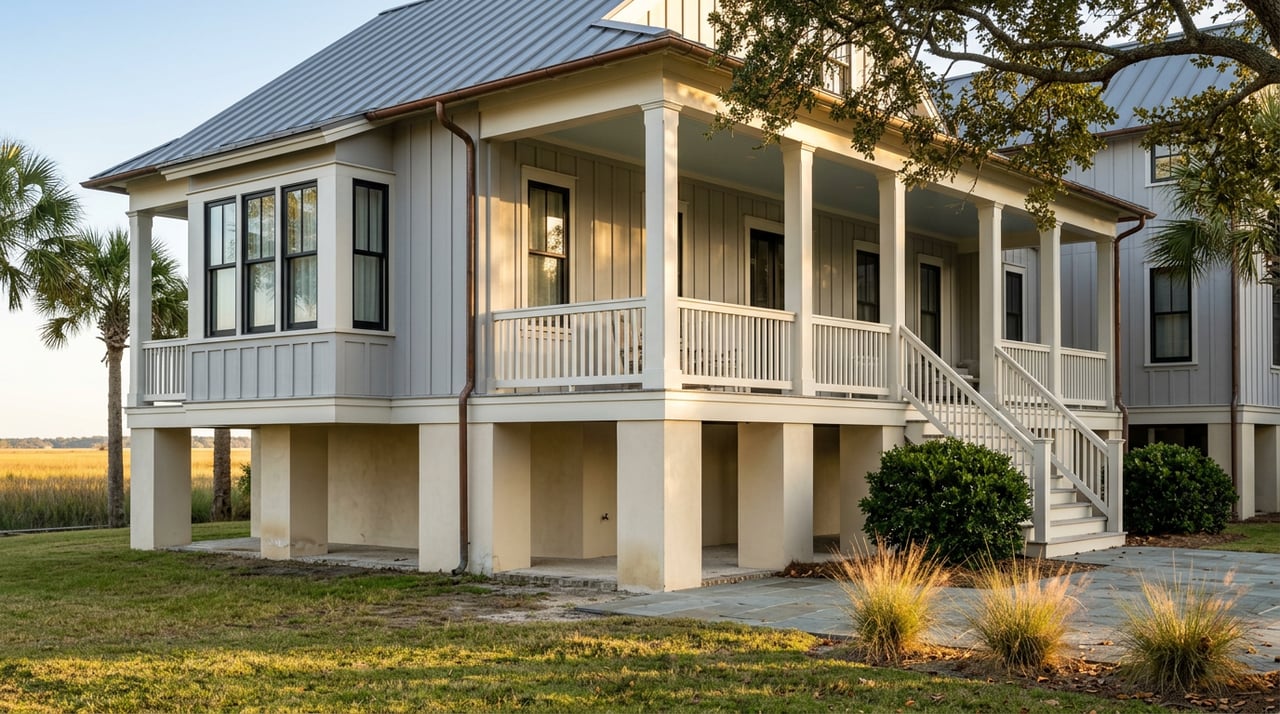
New construction in Mount Pleasant usually means master‑planned neighborhoods with modern layouts, energy‑efficient systems, and bundled amenities.
Floorplans and lifestyle amenities
New communities are designed for convenience. Expect open kitchens, primary suites with updated baths, flexible home offices, and outdoor living zones that flow easily from the main level. Master‑planned areas like Carolina Park highlight pools, trails, and on‑site schools and services so daily life is simpler. You can see how these amenities come together by reviewing the developer’s overview for Carolina Park.
HOAs and design standards
Most new neighborhoods have mandatory HOAs that fund shared amenities, maintain common areas, and set design standards. Fees and rules often vary by subsection, and some neighborhoods have a master association plus additional regime fees. Before you commit, review the CC&Rs, a current budget, reserve study, and any pending assessments so you understand both the benefits and the obligations.
Lot size and outdoor space
Newer homes often sit on smaller private lots, which can reduce weekend yard work. The trade is more shared green space, trails, and engineered stormwater systems maintained by the HOA. If you want a larger yard within a new plan, look for subsections that offer custom or estate lots and verify dimensions in the MLS and county parcel records.
Commute and location tradeoff
Many newer subdivisions sit north of the Isle of Palms Connector. You get newer construction and amenities, but often a longer drive to the Ravenel Bridge and downtown Charleston during peak traffic. Since the townwide mean commute is 24.9 minutes, test your exact route during rush hour to see if the lifestyle fit offsets the added drive. Use Census QuickFacts as your baseline, then confirm in real time.
What you get on established streets
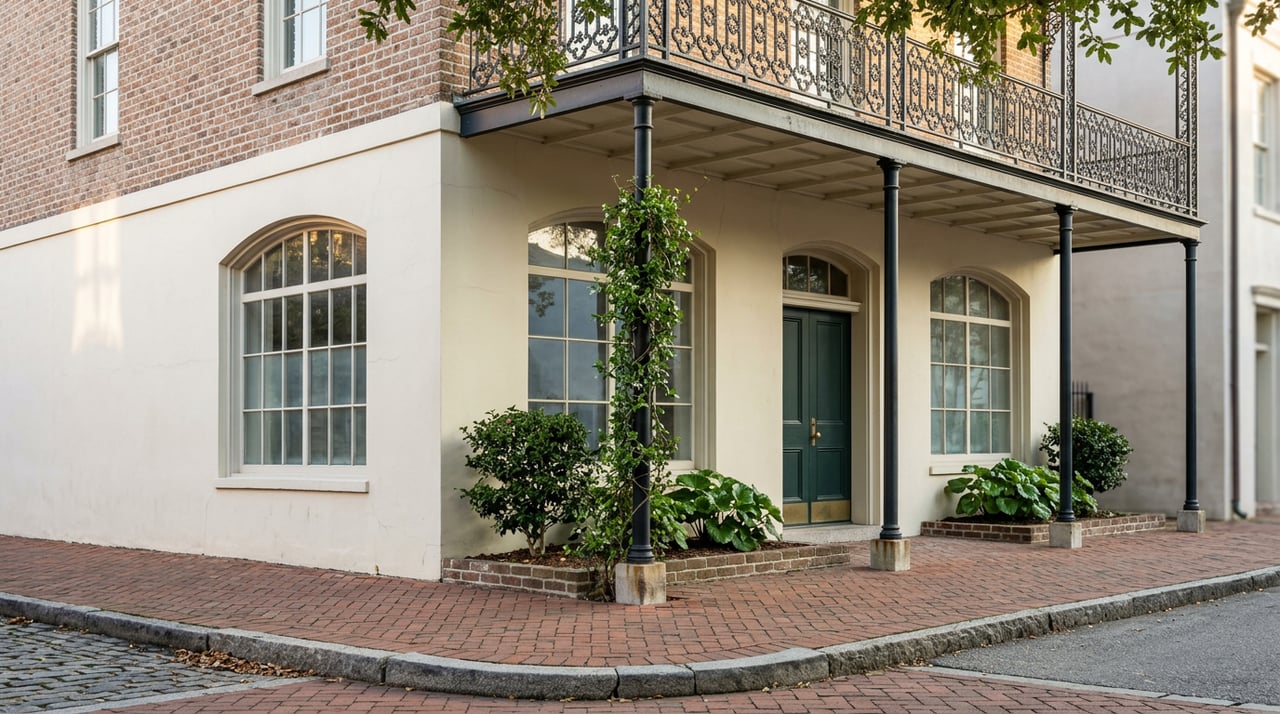
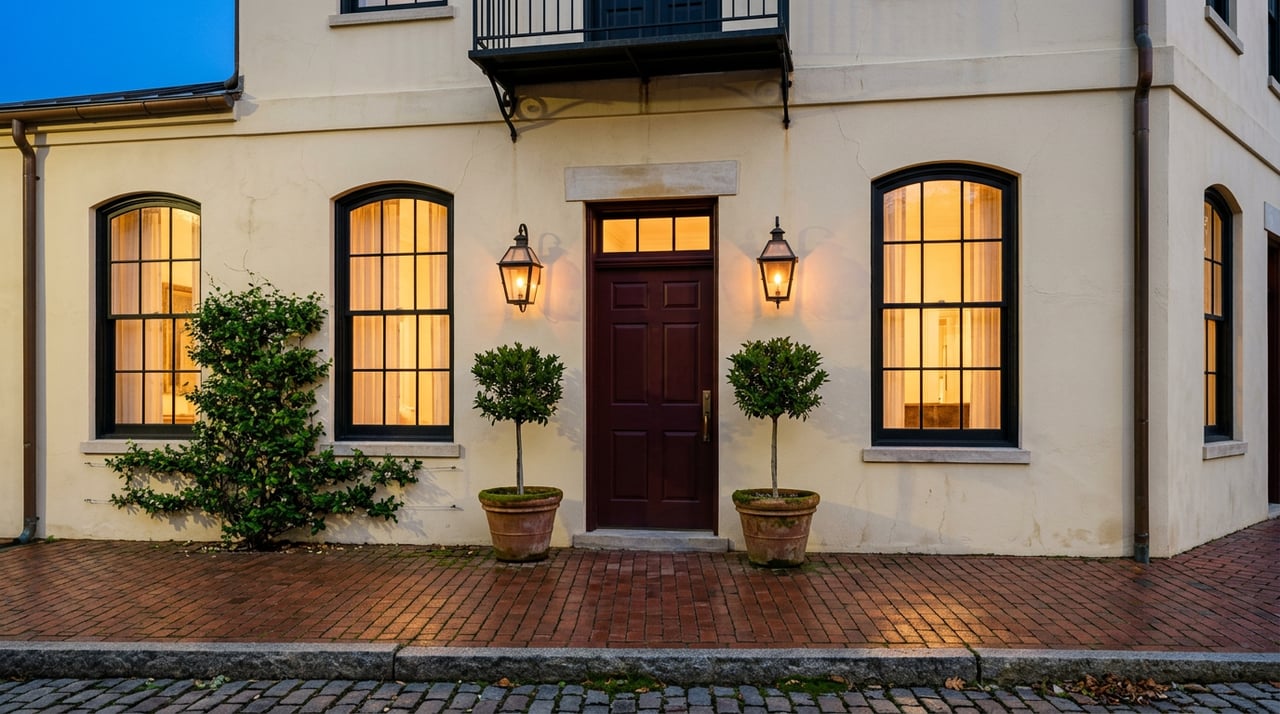
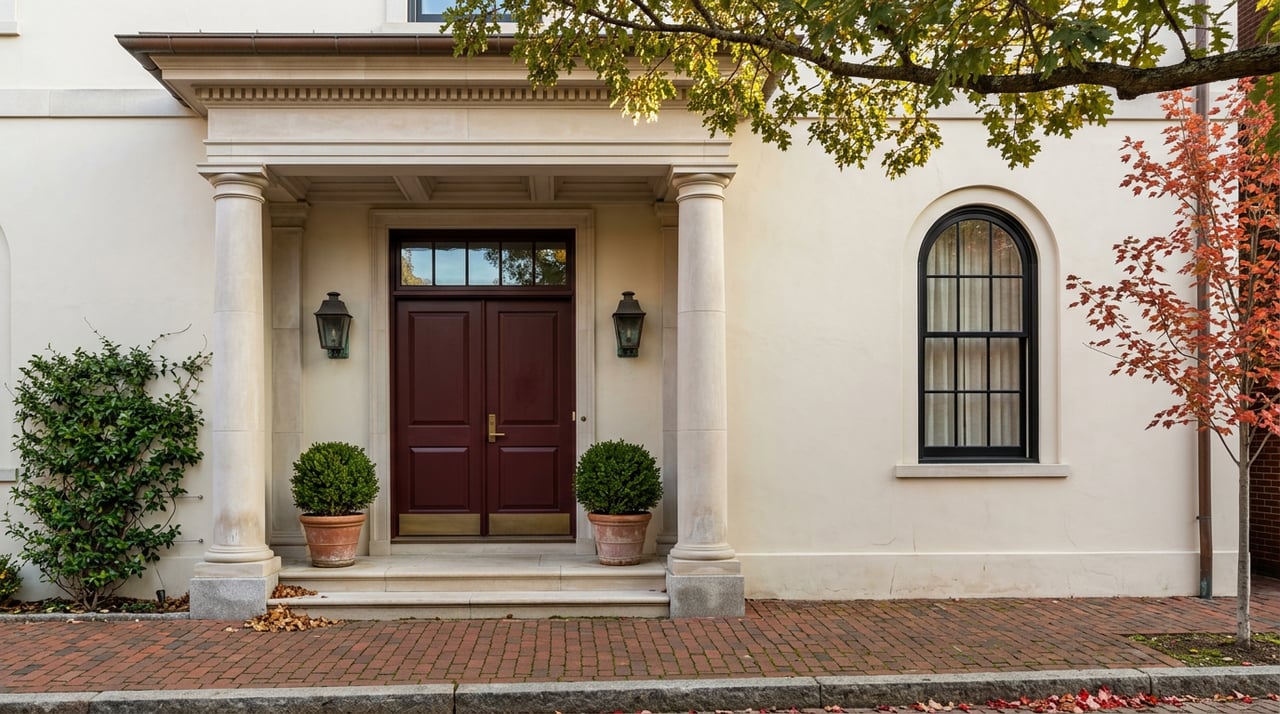
Established streets deliver character, mature trees, and close‑in access that can be hard to replicate in newer plans.
Larger legacy lots and canopy
Close‑in pockets like The Groves and Cooper Estates often feature larger lots with mature oaks and a calm, residential feel. Some buyers value the privacy, shade, and classic curb appeal these streets provide. Lot sizes vary by block, so verify actual dimensions and setbacks for any home you tour.
Flexibility vs. formal design review
Many established neighborhoods have no mandatory HOA, which can mean more exterior flexibility and fewer shared costs. A key exception is Old Village, which does not have an HOA but does fall under the Town’s Old Village Historic District review for exterior changes. If you plan renovations or additions there, study the Town’s guidelines and process for the Mount Pleasant Historic District.
Maintenance and renovation mindset
Older homes can come with older systems. Expect to evaluate roofing, HVAC, windows, drainage, and tree maintenance with your inspector and contractor. Some streets have localized drainage considerations, so ask for any history of yard or crawlspace water and get an elevation certificate if the property is near a tidal creek.
Walkability and downtown access
Established, in‑town streets offer quick access to Shem Creek, the Ravenel Bridge, and downtown Charleston. For many buyers, the shorter daily drive or bike ride is worth the premium for location and character. Drive your commute and daily routes at peak times to confirm the advantage fits your schedule.
Flood and resilience: plan ahead
Flood exposure is a practical factor across Mount Pleasant due to tidal flooding, storm surge, and long‑term sea‑level rise. The Town is actively studying and addressing these issues through resilience projects and pilot studies, including work in low‑lying basins near creeks. Start your diligence with the Town’s resources, then layer in FEMA flood mapping and elevation certificates at the address level. The Town’s Sea‑Level‑Rise Pilot Study page is a helpful entry point to understand current focus areas and planning.
Neighborhood snapshots to compare
Below are representative examples to help you frame the tradeoffs. Inventory and pricing change often, so use current MLS data for specifics.
Newer or master‑planned examples
- Carolina Park. A large master plan north of the connector with a mix of townhomes and single‑family homes, plus a custom‑lot section in Riverside. Amenities, trails, and on‑site services highlight convenience. Explore the developer’s overview for Carolina Park.
- Park West. A master‑planned environment with multiple subsections and a robust amenity package. Expect HOA structures that can include both a master association and subsection fees. Verify current budgets and any transfer fees during due diligence.
- Rivertowne on the Wando and Dunes West. Planned communities with golf and water access. Lot sizes range from smaller interior parcels to larger waterfront homesites, which can offer a balance between amenities and extra space.
Established or in‑town examples
- Old Village. A historic, close‑in neighborhood with limited inventory, mature canopy, and immediate access to Shem Creek and downtown. Exterior changes are subject to the Town’s Historic District review.
- Cooper Estates. A 1960s era neighborhood near Shem Creek with larger lots and no mandatory HOA, offering in‑town proximity at a different price point than Old Village.
- The Groves. A close‑in pocket with larger lots and mature trees that deliver privacy and classic curb appeal. Confirm drainage and any infrastructure history per address.
- I’On. A New Urbanist neighborhood that is established yet planned, known for walkable streets, a strong HOA, and a village‑style center that trades larger private yards for shared public space and convenience.
Cost of ownership beyond price
When you compare homes, look past the purchase price to your monthly and annual carry.
- HOA dues and transfer fees. In master‑planned communities, dues fund amenities and stormwater systems. In neighborhoods without an HOA, you may trade shared costs for private spending on pools, landscaping, or clubs. Ask for current HOA budgets and any reserve studies.
- Insurance and flood. If a property is in a Special Flood Hazard Area, a lender may require flood insurance. Even outside mapped zones, elevation and drainage can affect premiums and peace of mind. Factor this into your total cost of ownership.
- Commute and daily routes. Longer drives mean more fuel, time, and wear on your schedule. Test your typical day at peak times and weigh the value of proximity against the comfort of newer construction.
A quick decision framework
Use this simple checklist to cut through the noise and align your choice with how you live.
Rank your priorities. Put commute time, lot size, renovation appetite, proximity to water or downtown, school zoning confirmation, HOA tolerance, and maintenance preferences in order.
Run five address‑level checks before you write an offer:
- Flood status. Confirm FEMA flood zone and whether an elevation certificate is available or required. If near tidal creeks, consider obtaining one during diligence.
- Town rules and overlays. Check zoning and, if applicable, Old Village Historic District guidelines through the Town’s Historic District resources.
- HOA documents. Review CC&Rs, a current budget, reserve study, and recent meeting minutes. Clarify master versus subsection dues where relevant.
- School assignment. Confirm current school zones directly with the district since boundaries can change.
- Recent comparable sales. Use block‑level and subsection comps. For new builds, compare builder incentives and warranty coverage against nearby resales.
For new construction. Review the builder’s warranty and track record, the lot’s drainage and grading plan, and the neighborhood’s phasing so you know if future construction will affect your street.
For established streets. Emphasize inspections for roof, structure, HVAC, windows, trees, and drainage. Ask for any history of yard or crawlspace water and review any available elevation data.
Test lifestyle fit. Drive your commute, visit the pool or park you expect to use, and time grocery, school, and dining runs during the hours you live most.
New build or established: which fits you?
Choose new construction if you want turnkey living, energy‑efficient systems, and a ready‑made amenity package supported by an HOA. You accept smaller private yards in exchange for trails, pools, and lower weekend maintenance. You are comfortable with design rules that protect consistency and value.
Choose an established street if you value mature trees, larger legacy lots, and quick access to Shem Creek and downtown. You are open to targeted upgrades or renovations and prefer more exterior flexibility. You see long‑term value in character and location.
Ready to match your lifestyle with the right street or community in Mount Pleasant? Let’s talk through your priorities, walk you through address‑level checks, and line up on‑ and off‑market options. Schedule your free consultation with Crossman & Co. Real Estate.
FAQs
What is the typical home value in Mount Pleasant?
- The median value of owner‑occupied homes is about $748,500 based on 2020–2024 ACS data, which provides a useful townwide baseline. See the latest figures on Census QuickFacts.
Are HOA rules common with new construction in Mount Pleasant?
- Yes. Most master‑planned neighborhoods use HOAs to manage amenities, design standards, and stormwater systems, so review CC&Rs, budgets, and reserve studies before you commit.
How does commute time differ between new and established areas?
- Close‑in, established streets generally offer shorter drives to the Ravenel Bridge and downtown, while newer northern subdivisions can take longer at peak hours, so test your route in real time.
Is flood insurance required for Mount Pleasant homes?
- It depends on your specific FEMA flood zone and lender requirements; plan address‑level checks and review Town resilience resources like the Sea‑Level‑Rise Pilot Study.
What is unique about buying in Old Village?
- Old Village does not have an HOA but falls under the Town’s Historic District review for exterior changes, so consult the Historic District guidelines early if you plan renovations.