Wondering if Georgetown feels more like a busy shopping district or a true neighborhood? The honest answer is both, and that mix is exactly what shapes daily life here. If you are thinking about moving to Georgetown, spending more time in the area, or simply trying to picture what living here would actually feel like, this guide will walk you through the rhythms, tradeoffs, and small details that matter most. Let’s dive in.
Georgetown feels different block by block
One of the most important things to know about Georgetown is how quickly the atmosphere changes as you move through it. The neighborhood blends retail streets, waterfront activity, and residential blocks into a compact area, so your day can shift from energetic to quiet within a few minutes.
At the center of the neighborhood, M Street and Wisconsin Avenue bring the highest level of activity. According to Georgetown’s business district information, the intersection of M and Wisconsin is the heart of Georgetown, with boutique-lined streets branching out from there. If you enjoy being close to shopping, restaurants, and a steady sense of motion, this part of the neighborhood delivers that every day.
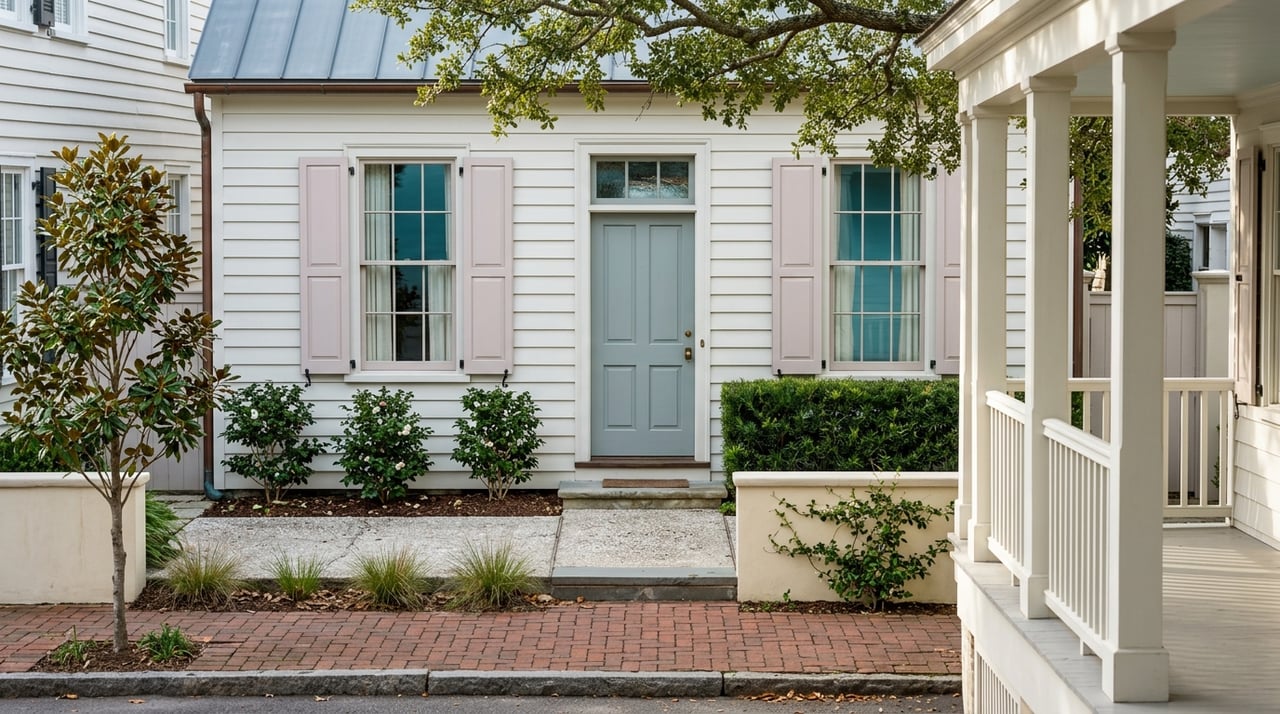
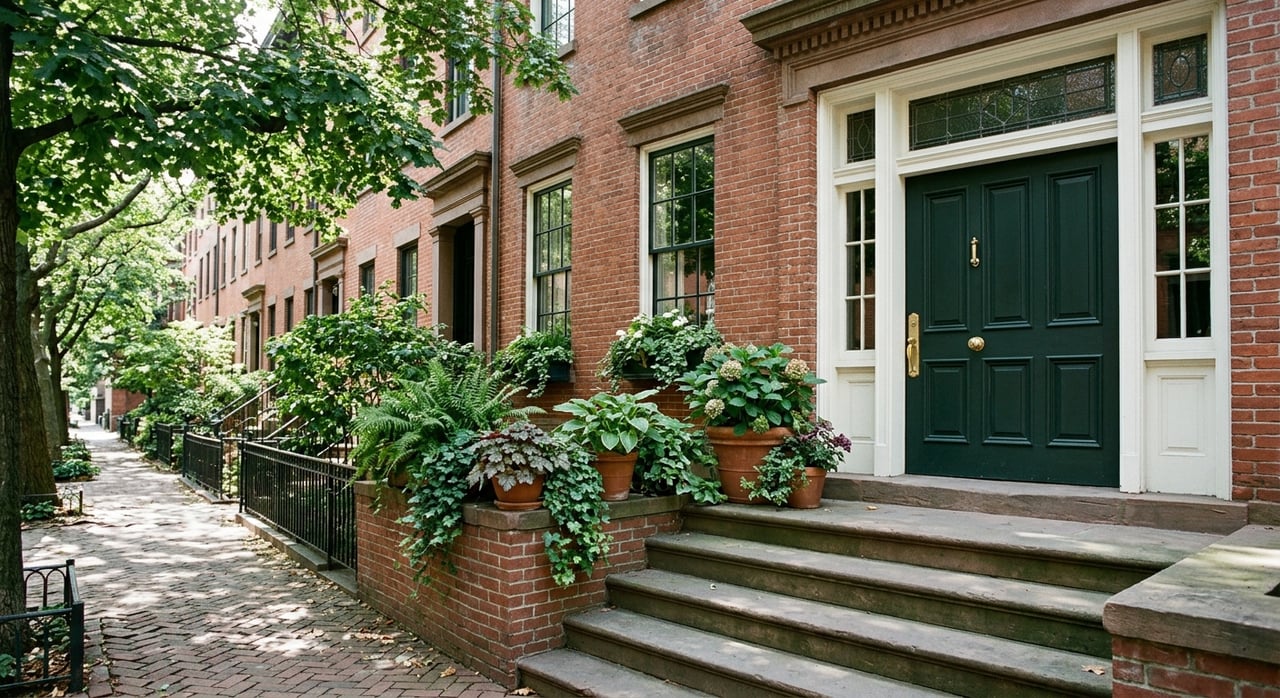
A short walk away, the tone changes. The residential streets north of M Street are described as quiet and tree-lined, with homes dating back to the 18th century and a range of property types from modest row houses to larger estates. That contrast is a big part of Georgetown’s appeal because you can be near the action without necessarily living in the middle of it.
Historic character shapes everyday ownership
Georgetown is not just old in a visual sense. Its history directly affects how the neighborhood looks, feels, and functions today. The area dates back to 1751, and the setting combines 18th- and 19th-century architecture with a modern mix of shops, restaurants, and institutions.
For buyers, that historic status is more than a talking point. The Georgetown Historic District was designated a National Historic Landmark in 1967, and exterior work follows special review procedures. In practical terms, that means owning in Georgetown can come with added considerations if you plan to make changes to a home’s exterior.
For many people, that tradeoff is part of the value. Preservation helps maintain the neighborhood’s visual consistency and architectural identity, which is one reason Georgetown feels so distinct from many other parts of Washington. If historic character matters to you, this is one of the clearest examples of a place where that character is protected in a meaningful way.
Outdoor life is part of the routine
In Georgetown, outdoor space is not reserved for special occasions. It is woven into the neighborhood’s everyday rhythm. That matters if your ideal routine includes walking, running, biking, or simply stepping outside for a change of pace without needing to drive somewhere first.
Georgetown Waterfront Park stretches along the Potomac from 31st Street NW to Key Bridge. The National Park Service notes wide paths, benches, a seasonal fountain, a labyrinth, and car-free space for walking, cycling, skating, and paddling. For residents, that means the waterfront works as a real daily amenity, not just a scenic backdrop.
The C&O Canal adds a different kind of outdoor experience. The towpath begins in Georgetown and connects into the much longer Potomac Heritage National Scenic Trail. On a normal weekday, that can look like a quick morning walk, an after-work bike ride, or a quieter route away from the main commercial streets.
Another useful detail is how close these outdoor spaces are to the neighborhood core. Georgetown’s waterfront district sits less than a five-minute walk south of M Street, which helps explain why the water and trail access feel like part of ordinary life here. You do not need to plan your day around them. They are simply there.
Daily errands and dining are easy to build around
Georgetown has enough retail and dining options to support day-to-day living, not just weekends out. The district includes more than 470 shops, restaurants, and institutions, and the neighborhood FAQ notes that Georgetown has over 100 restaurants representing more than 50 ethnicities.
That range gives you options for different kinds of routines. You might grab coffee or a pastry on a canal-side street, meet someone for lunch near M Street, or head toward the waterfront for dinner. Because the neighborhood is compact, it is possible to build many of those stops into a normal walk rather than treating them as separate trips.
This is one reason Georgetown appeals to buyers who value walkability and convenience. The neighborhood can support spontaneous, low-friction plans, whether that means a short stroll for a meal, a quick errand, or time outdoors before heading home.
Georgetown has several smaller lifestyle pockets
If you only know Georgetown by its busiest intersections, you are missing a lot of what everyday life looks like here. The neighborhood has several smaller districts that create different routines and moods depending on where you spend your time.
M Street and Wisconsin Avenue
This is the most active part of Georgetown and the area many people picture first. It is convenient, energetic, and lined with boutiques and restaurants. If you like being in the center of things, this area offers the highest level of foot traffic and street activity.
Book Hill
Book Hill sits along upper Wisconsin and offers a quieter retail experience. It is known for antique stores, art galleries, independent boutiques, bakeries, and a more European-feeling streetscape. For some residents, this pocket feels more relaxed and locally scaled than the busiest parts of Georgetown.
Cady’s Alley
Cady’s Alley, also known as the Georgetown Design District, brings a design-focused side to the neighborhood. The area includes more than 20 home-furnishing showrooms and specialty boutiques set within historic industrial buildings. If you appreciate interiors, design, and a tucked-away urban feel, this is a distinctive part of the neighborhood’s personality.
C&O Canal side streets
The streets along the canal, including Grace Street and Thomas Jefferson Street, often feel more low-key than the main retail corridors. Georgetown’s neighborhood guide highlights bakeries, coffee spots, tacos, and reminders of the area’s industrial past. For daily life, these blocks can feel more local and less performative than the busiest commercial areas.
Commuting in Georgetown comes with tradeoffs
Georgetown is highly walkable, but its commute picture is different from neighborhoods built around a Metro stop. The neighborhood does not have its own Metro station. Georgetown’s FAQ identifies Foggy Bottom-GWU and Rosslyn as the closest stations, both within walking distance.
That setup changes how many residents move through the city. Daily trips often rely on walking, Metrobus, or biking rather than stepping onto rail within the neighborhood itself. Georgetown is also connected to regional bike routes and trails, including the C&O Canal Towpath, Capital Crescent Trail, and Rock Creek Park Trail, which adds flexibility for people who prefer two wheels over four.
Whether that feels convenient depends on your habits. If you prioritize direct Metro access above all else, Georgetown may feel less simple than some other DC neighborhoods. If you value walkability, trail access, and the ability to combine errands, dining, and outdoor time into one neighborhood routine, the tradeoff may feel worth it.
Parking takes planning
Parking is possible in Georgetown, but it is not effortless. The neighborhood guide notes 20 lots and garages with more than 3,800 spaces, which gives visitors and residents paid parking options. Still, curbside rules and time limits matter.
Residential street parking is generally limited to two hours for vehicles without a Zone 2 Residential Parking Permit. Weekday restrictions also apply on M Street and parts of Wisconsin Avenue. The District’s ParkDC system manages residential parking permits and related curbside parking rules.
For buyers, this is an important quality-of-life question to think through early. If you drive every day, want easy guest parking, or expect a car-light routine, your experience can vary depending on the exact block and building. In Georgetown, location within the neighborhood matters a great deal.
What everyday life in Georgetown really feels like
At its core, Georgetown offers a layered lifestyle. You have a lively retail heart, a waterfront that genuinely supports daily routines, canal paths and trail access that bring outdoor movement into the neighborhood, and residential streets that become noticeably quieter only a short distance from the busiest corridors.
That mix is what makes Georgetown stand out. It is historic, compact, active, and beautiful, but it also asks you to be realistic about parking, transit, and the responsibilities that can come with owning in a historic district. For many buyers, that balance is exactly the point.
If you are trying to decide whether Georgetown fits the way you actually live, the answer often comes down to your routine. If you value walkability, architecture, dining variety, and easy access to the waterfront, Georgetown can feel remarkably complete. If you want simpler parking or a neighborhood built around a Metro station, it is wise to weigh those priorities carefully.
When you are ready to talk through Georgetown block by block and figure out which part of the neighborhood best matches your lifestyle, Crossman & Co. Real Estate is here to help with personal, senior-level guidance.
FAQs
What is daily life in Georgetown, DC like?
- Daily life in Georgetown blends busy retail streets, waterfront activity, and quieter residential blocks. You can move from the energy of M Street to tree-lined residential streets in just a few minutes.
Does Georgetown, DC have a Metro station?
- No. Georgetown does not have its own Metro station, and the closest stations are Foggy Bottom-GWU and Rosslyn, both within walking distance.
What outdoor spaces are part of everyday life in Georgetown?
- Georgetown Waterfront Park and the C&O Canal are two of the neighborhood’s defining outdoor features. They support walking, biking, and time outside as part of a normal daily routine.
Is Georgetown, DC easy to walk around?
- Yes. Georgetown’s compact layout makes it easy to walk between shops, restaurants, the waterfront, and many residential streets.
What should buyers know about parking in Georgetown?
- Parking in Georgetown requires planning. There are lots and garages available, but residential street parking rules, time limits, and weekday restrictions can affect daily convenience.
How does historic preservation affect Georgetown homeowners?
- Georgetown’s historic district status means exterior work follows special review procedures. If you are buying a home here, it is important to understand how preservation rules may shape future updates.