If you love the idea of downtown Charleston convenience but do not want to depend on your car for every errand, Cannonborough-Elliottborough deserves a close look. This peninsula neighborhood blends historic housing, daily essentials, dining, and medical district access in a compact footprint that makes getting around easier than many buyers expect. If you are weighing lifestyle, commute patterns, and home options, this guide will help you understand what car-light living here can really look like. Let’s dive in.
Why car-light works here
Cannonborough-Elliottborough sits in Charleston’s historic core on the peninsula, generally framed by the Crosstown to the north, Bee and Morris to the south, President Street to the west, and King or Meeting Street to the east. The City of Charleston treats Cannonborough and Elliottborough as one larger neighborhood, and that matters because the area functions as a dense mixed-use district rather than a single-purpose residential pocket.
In practical terms, that means you may find apartment buildings, churches, single-family homes, and corner stores with upper-floor apartments on the same block. That kind of urban fabric supports a more flexible routine, where daily life can happen closer to home.
Walkability is a big part of the story. Current walkability data rates Cannonborough-Elliottborough at 93 for walkability, 75 for bikeability, and 49 for transit, with the neighborhood labeled a Walker’s Paradise. Those numbers support the idea of car-light living, which is more realistic here than a fully car-free lifestyle.
What daily life can look like
One reason this neighborhood stands out is its connection to downtown Charleston’s shopping and dining core. The city identifies downtown, anchored by King Street, as the region’s shopping and dining hub, and Cannonborough-Elliottborough places you close to that activity.
For many residents, that can mean walking to coffee, dinner, or a quick errand instead of planning every trip around parking and traffic. It also means your day can feel more spontaneous, especially if you value being able to step out your front door and reach destinations on foot.
That said, it helps to keep expectations balanced. Charleston is still a peninsula city with moderate transit rather than a major transit-first metro, so car-light is the better term here. You may still want a car for some trips, but you may not need it nearly as often.
Getting around without driving everywhere
Walking is the foundation
The neighborhood’s dense layout is what makes walking the easiest starting point. Mixed-use blocks, nearby restaurants, and proximity to downtown destinations all support short, practical trips on foot.
If your routine includes grabbing groceries, meeting friends, heading to campus, or enjoying downtown amenities, you can often do those things without making driving your default. That can be a major lifestyle benefit if convenience matters to you.
Biking adds flexibility
Bike access gives residents another layer of mobility. Holy Spokes, Charleston’s bike-share system, operates 27 stations around the Charleston Peninsula, and the city says the service area covers the peninsula to roughly just north of Heriot Street.
The city also describes bike share as 24/7 transportation for point-to-point trips, scenic rides, commuting, and short hops around town. For Cannonborough-Elliottborough residents, that can make it easier to bridge trips that feel a little too long to walk but do not justify driving.
The broader city planning context also supports biking. Charleston’s bicycle and pedestrian planning materials emphasize a transportation network that serves all modes of travel, and the city’s Complete Streets resolution calls for streets that accommodate pedestrians, bicycles, public transit, and automobiles.
Free shuttle service helps
Transit is not the neighborhood’s strongest feature, but it is still part of the car-light equation. CARTA’s free Downtown Area Shuttle system serves the peninsula with three DASH routes.
The Green Line includes the Medical Complex, while the Orange and Purple lines connect major downtown destinations such as the College of Charleston, the Aquarium, the Visitor Center, Broad Street, Waterfront Park, City Market, Charleston Museum, and Upper King. CARTA also lists the Downtown Connector as a free peninsula route.
Walkability data also points to nearby bus access, including the 203 Medical Shuttle, the 213 Lockwood/Calhoun DASH route, and Route 102 North Neck. So while transit here may not replace every trip, it can reduce how often you need to drive.
Why MUSC access matters
For many buyers, one of the biggest practical advantages of Cannonborough-Elliottborough is proximity to MUSC and the Charleston medical district. The city’s appraisal notes that MUSC borders Cannonborough to the south, and that the campus edge has materially shaped the area where the neighborhood and medical district meet.
That closeness can matter if you work in healthcare, study nearby, or simply want to live near one of the peninsula’s major employment centers. A shorter, simpler commute can be one of the strongest reasons to choose a walkable downtown neighborhood.
MUSC’s Medical District Greenway at 105 Doughty Street was created to provide green space, walking, dining, and easier access to surrounding hospitals in the Charleston Medical District. That adds another layer of convenience for people who want their home and work routines to connect more smoothly.
MUSC’s Downtown Charleston Campus Master Plan also points to ongoing and planned growth, including a new College of Medicine building, a comprehensive cancer hospital, and a medical office building and ambulatory surgery center at 334 Calhoun Street. For buyers thinking long term, that continued investment reinforces the area’s role as an important access point for medical district life.
Housing choices in the neighborhood
Expect a historic urban mix
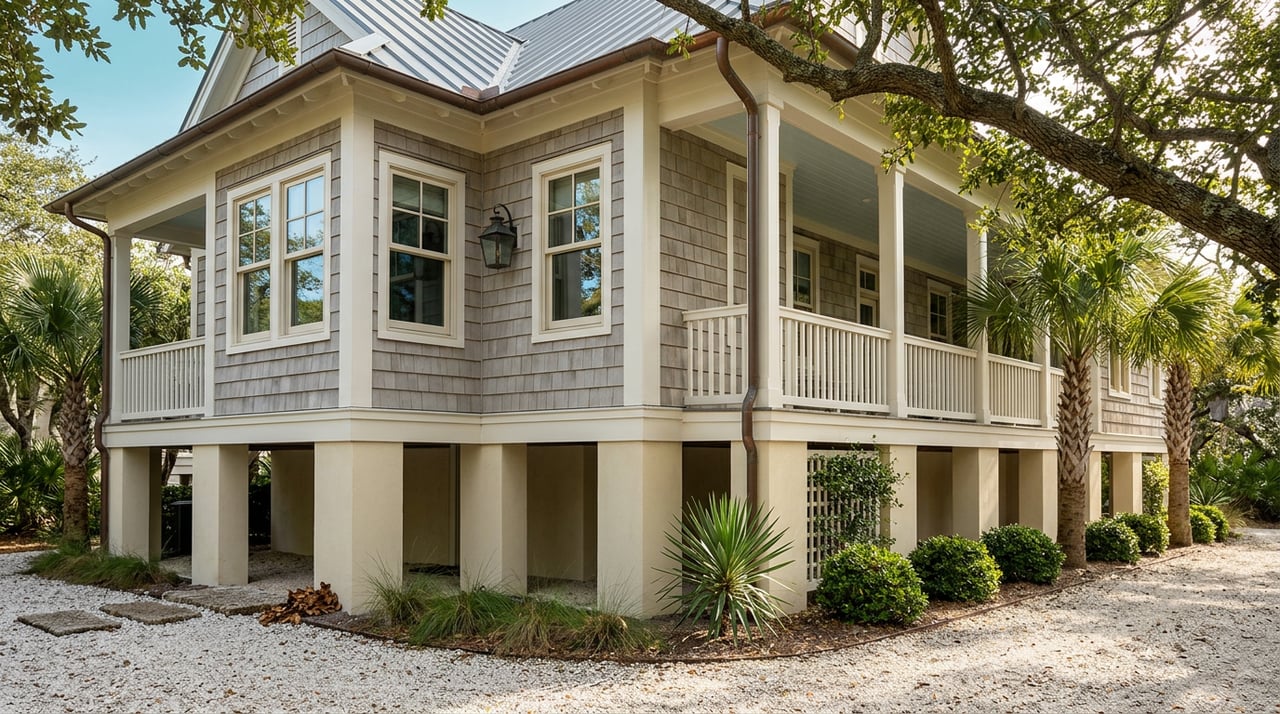
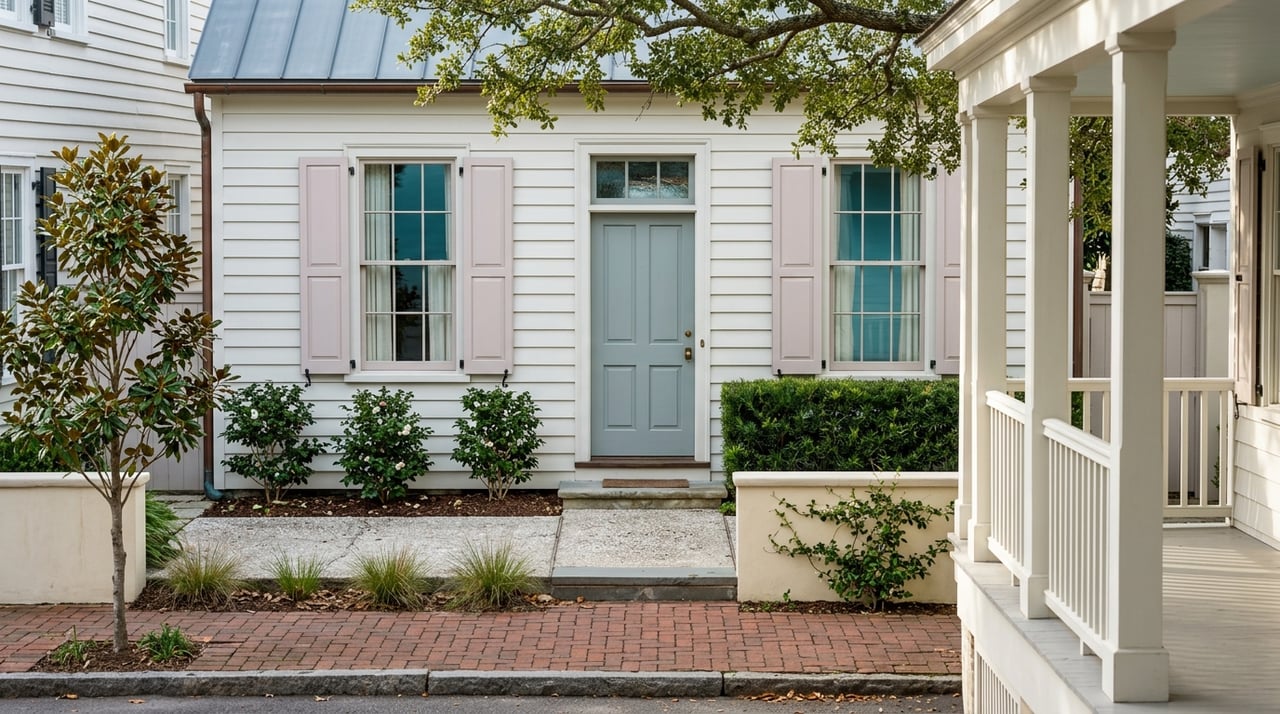
If you are shopping here, you should not expect a uniform neighborhood filled with one home style. The city’s area appraisal shows a wide range of housing, including historic single houses, apartment buildings, mixed-use corner buildings, former commercial structures adapted for new uses, and freedman’s cottages.
That varied housing stock is part of the neighborhood’s appeal. It gives buyers more ways to match lifestyle and budget, especially if you want character and location over a more suburban housing pattern.
Price points are broad
Current market data places Cannonborough-Elliottborough firmly in the high-end downtown category. As of May 2026, Realtor.com reports a median listing price of $1.625 million with 20 homes for sale, while Redfin reports a May 2026 median sale price of $1,279,570.
Even within that small footprint, the active listing mix shows a meaningful range. Current examples include properties from $675,000 for a three-bedroom house on Coming Street to $4.695 million for a multi-family property on King Street, with condos, houses, and multi-family options in between.
A useful way to think about pricing is this:
- Lower entry points may include smaller attached homes, condos, or multi-unit pieces of the historic fabric
- Mid-range options often include renovated historic homes or smaller multi-family properties
- Top-end pricing tends to cluster around prime King Street addresses and larger mixed-use assets
For buyers, that means the neighborhood can offer several entry paths, but each comes with tradeoffs tied to size, condition, building type, and exact location.
Who may find this lifestyle appealing
Car-light living in Cannonborough-Elliottborough is especially appealing if you value access and flexibility over extra land or a more traditional suburban layout. If you like walking to meals, using a bike for short trips, or staying close to downtown activity, the neighborhood aligns well with that pattern.
It can also make sense for medical professionals, students, relocators, and second-home buyers who want a central Charleston base. The overlap of walkability, bike share, free peninsula shuttles, and MUSC proximity gives the area a practical edge, not just a lifestyle one.
At the same time, this is an urban peninsula environment. If you prefer larger lots, quieter separation from commercial uses, or a fully transit-oriented routine, you may want to compare this area with other Charleston options before deciding.
A balanced view for buyers
Every neighborhood comes with tradeoffs, and Cannonborough-Elliottborough is no exception. The same peninsula setting that supports walkability also exists within a broader planning context shaped by transportation, flooding, housing, public space, tourism, economic development, and quality of life concerns.
MUSC’s master plan also emphasizes resilience and stormwater mitigation, which reflects the realities of planning and growth in downtown Charleston. For buyers, the key is not to avoid urban complexity, but to understand it clearly while weighing the benefits of location and convenience.
If your goal is to reduce how often you drive without giving up Charleston character, Cannonborough-Elliottborough stands out as one of the peninsula’s strongest options. The neighborhood’s historic texture, mixed-use layout, free shuttle access, bike-share reach, and connection to MUSC create a lifestyle that can feel genuinely easier day to day.
When you are ready to compare homes, block-by-block feel, and the tradeoffs between price, access, and property type, Crossman & Co. Real Estate can help you navigate the neighborhood with local insight and owner-level guidance.
FAQs
Is Cannonborough-Elliottborough a good neighborhood for car-light living?
- Yes. Current data rates the neighborhood at 93 for walkability, 75 for bikeability, and 49 for transit, which supports a car-light lifestyle for many residents.
Can you live in Cannonborough-Elliottborough without driving every day?
- In many cases, yes. Walking, bike share, and free DASH shuttle routes can cover many daily trips, though some residents may still prefer a car for certain errands or destinations.
How close is Cannonborough-Elliottborough to MUSC?
- The neighborhood borders MUSC to the south, and the area where the neighborhood meets the medical district is a major part of its appeal for people who want easier campus and hospital access.
What types of homes are in Cannonborough-Elliottborough?
- Buyers can find a mix of historic single houses, apartment buildings, mixed-use buildings, adapted former commercial properties, condos, and freedman’s cottages.
What do home prices look like in Cannonborough-Elliottborough?
- As of May 2026, reported market figures include a median listing price of $1.625 million and a median sale price of $1,279,570, with active listings ranging from the mid-$600,000s to several million dollars.
Is transit in Cannonborough-Elliottborough strong enough for daily use?
- Transit is useful but moderate. Free DASH routes and nearby bus service can help with many peninsula trips, but the neighborhood is better described as car-light than fully transit-oriented.