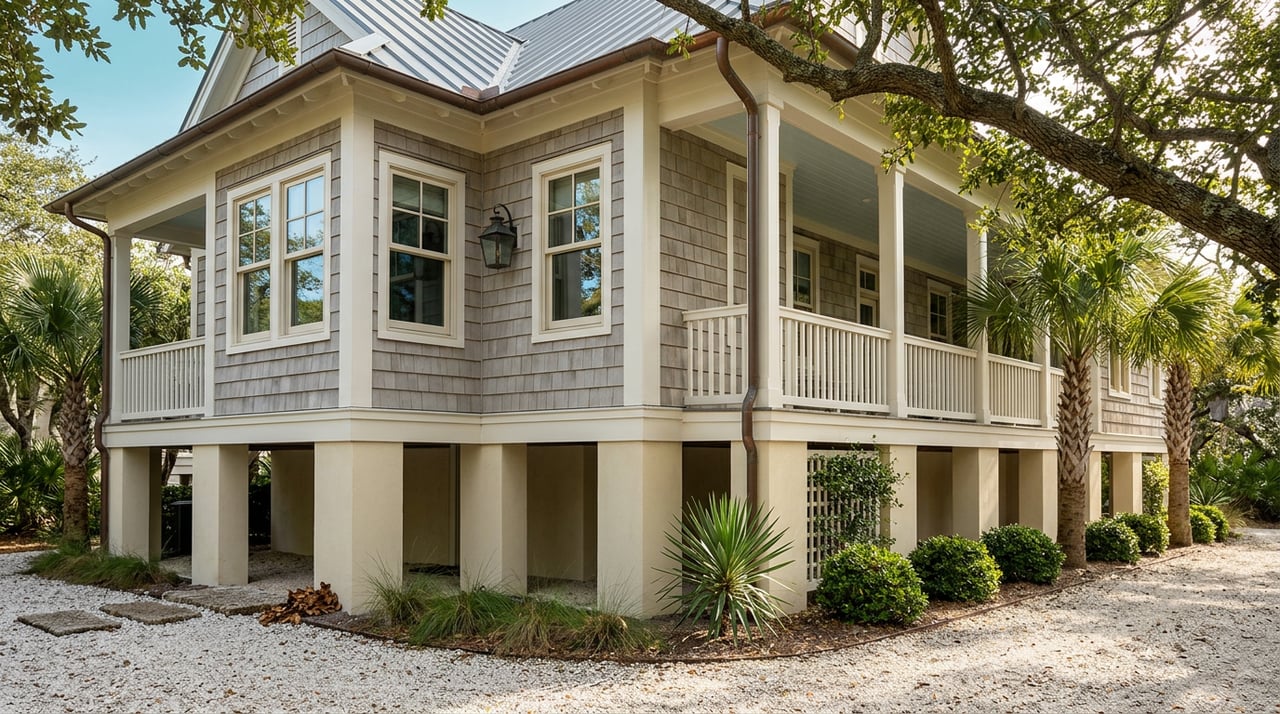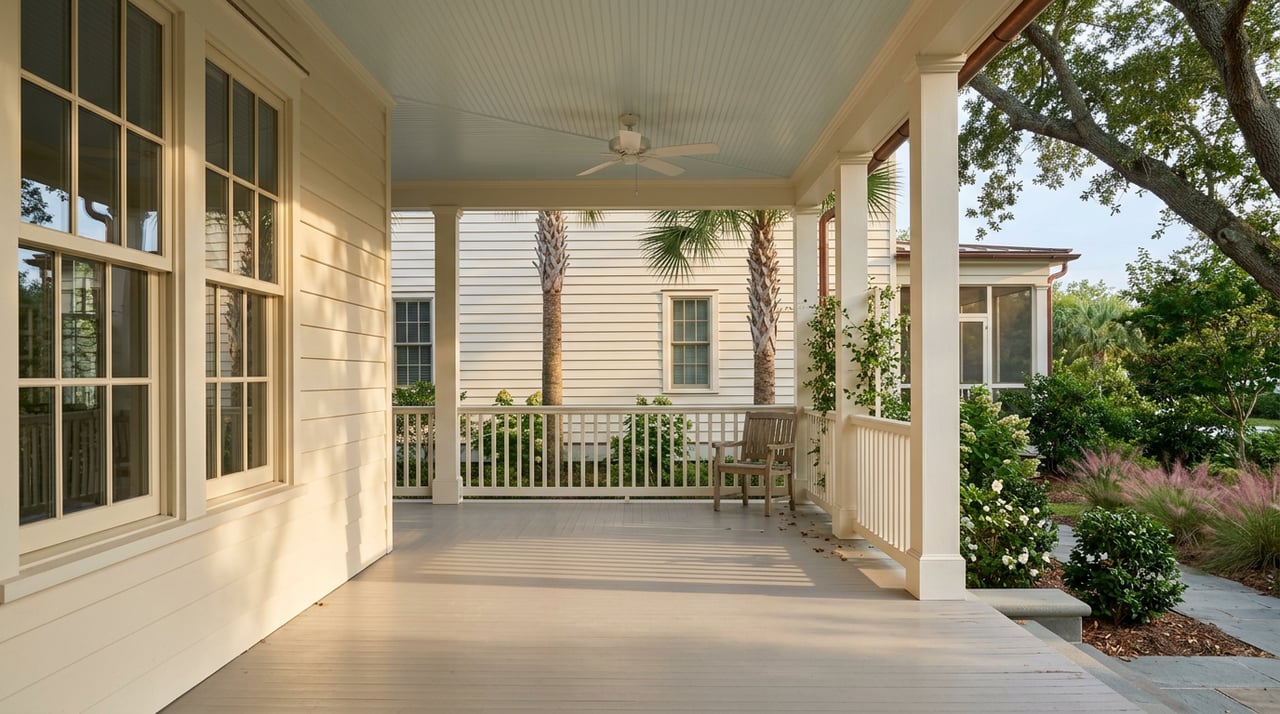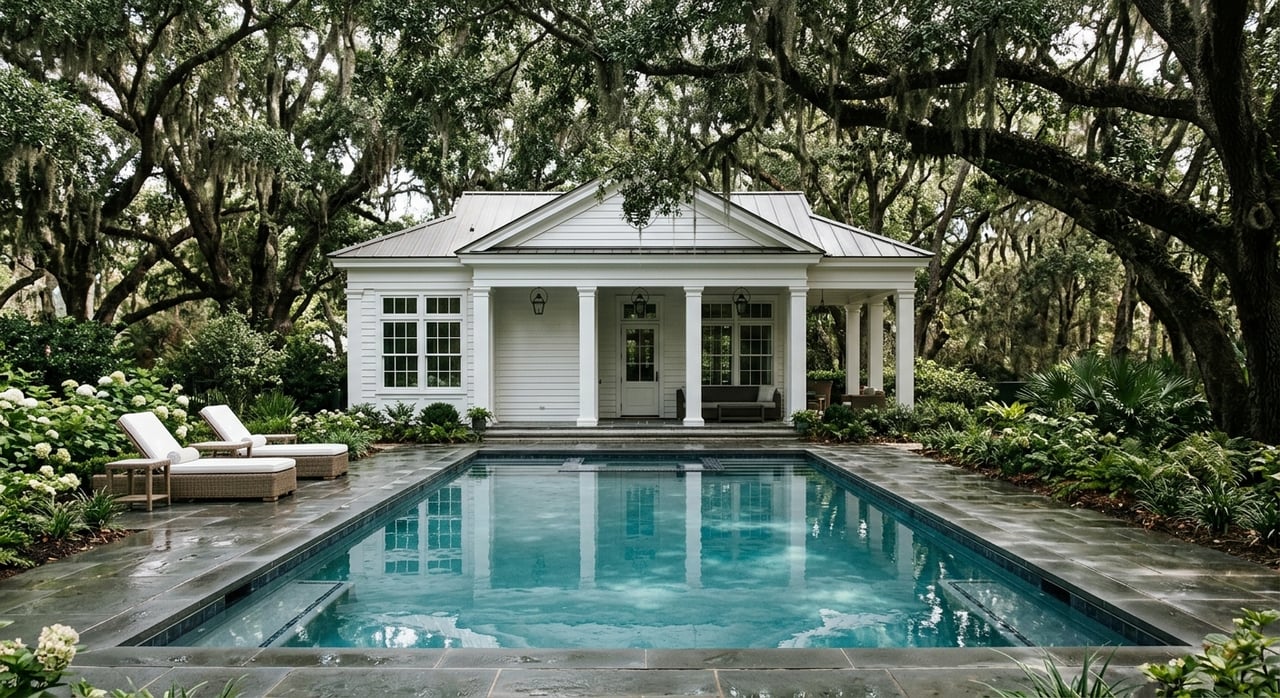
Wondering how to make your Harleston Village home stand out to today’s buyer without stripping away the charm that makes it special? If you are preparing to sell in one of Charleston’s most historic neighborhoods, the goal is not to make your home feel generic. It is to help buyers see the space, the light, and the lifestyle while respecting the details that give the property its identity. In this guide, you’ll learn how to stage a Harleston Village home with a smart, market-aware approach. Let’s dive in.
Why staging matters in Harleston Village
Harleston Village has a long residential history, dating back to the late 1700s, and it remains known for its varied architectural styles and historic streetscapes. The Preservation Society of Charleston highlights the neighborhood as a largely residential area, with Queen Street between King Street and Colonial Lake reflecting its layered past.
That historic appeal is a major reason buyers are drawn to the neighborhood. It also means presentation matters more than ever. In the 29401 market, listings in spring 2026 showed a median listing price around $2.3 million, with homes taking roughly 48 to 49 days on market and selling at about 97% of list price on average in May 2026.
For you as a seller, that points to a clear takeaway. Buyers in this price range often have options, so your home needs to feel polished, spacious, and true to its character from the first photo to the final showing.
Start with preservation-minded prep
In Harleston Village, staging begins before you place a single pillow or chair. The City of Charleston reviews exterior work visible from the public right-of-way in historic districts, and its guidance favors repair over wholesale replacement of historic materials.
That matters because many pre-listing decisions are not just cosmetic. If you are thinking about changing windows, porch details, fencing, paving, or other visible exterior features, those choices can affect how well your home aligns with local historic-district guidance.
The strongest approach is usually restrained upkeep. Clean, repair, and refresh what is already there instead of rushing into broad exterior changes that may fight the home’s original style.
Keep original features visible
Today’s buyers are often drawn to the very elements that make a Harleston Village home distinct. Tall windows, original walls, mantels, wood details, piazzas, and porches can all help a property feel memorable.
Charleston’s guidance treats piazzas and porches as character-defining features and discourages enclosing them. The city also notes that screening, when used, should be removable and placed behind columns and railings.
Inside and out, your staging should support those features, not compete with them. The house should still be the star.
Repair before replacing
The city’s preservation guidance says historic windows should be repaired where possible or replaced in kind with matching material and configuration. It also notes that vinyl or aluminum products are not acceptable on historic residences, and that historic walls generally should not be removed.
For sellers, this is a practical reminder. If something looks worn, start by asking whether it can be repaired, cleaned, or refreshed rather than replaced with a shortcut material that feels out of place.
Focus on the rooms buyers notice most
If you want staging dollars to work harder, start where buyers pay the most attention. According to the National Association of Realtors 2025 staging survey, 83% of buyers’ agents said staging made it easier for buyers to visualize a future home.
That same report found the most commonly staged rooms were the living room, primary bedroom, and dining room. Buyers’ agents also ranked the living room as the most important room to stage, followed by the primary bedroom and kitchen.
For most Harleston Village homes, that gives you a simple order of operations. Start with the main living area, the primary suite, and the kitchen before moving to secondary rooms.
Stage the living room for scale
Historic homes can have wonderful proportions, but furniture can either highlight that or hide it. Bulky seating, oversized tables, and too many accessories can make the room feel tighter than it is.
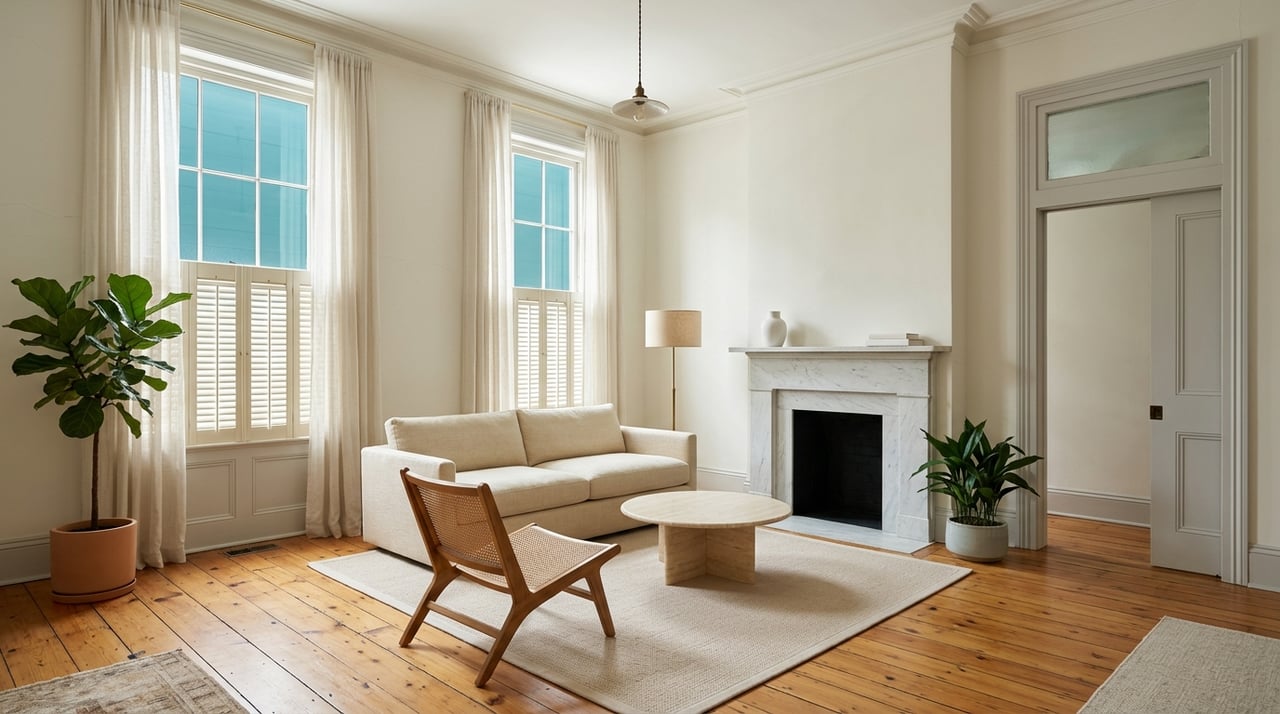
Use fewer pieces with cleaner lines so buyers can read the room’s size and flow. Keep walkways open, center the layout around the room’s architectural focal point, and let fireplaces, windows, and ceiling height stand out.
Make the primary bedroom feel calm
Buyers want the primary bedroom to feel restful and uncluttered. That does not require a dramatic redesign. It requires visual breathing room.
Use neutral bedding, simplify nightstands, and remove extra chairs or storage pieces that crowd the room. If the bedroom has beautiful natural light or historic trim, keep window treatments light and unobtrusive so those details stay visible.
Simplify the kitchen
Even in a historic home, buyers still want the kitchen to feel functional and inviting. Clear counters, remove small appliances, and keep styling minimal.
A bowl of fruit, neatly folded towels, and clean surfaces usually do more than elaborate décor. The goal is to show that the kitchen works well within the home’s historic setting, not to make it look overdesigned.
Choose furniture that respects the house
One of the biggest staging mistakes in period homes is using furniture that overpowers the architecture. Harleston Village homes often have details that deserve visual space, including paneled walls, tall windows, mantels, and traditional millwork.
Low-profile contemporary furniture and simple textiles often work well because they let those features breathe. You do not need every piece to feel antique. In fact, a light, edited mix can help the home feel current while still respecting its age.
Keep colors soft and cohesive. A restrained palette tends to photograph better and supports the refined, historic feel buyers expect in this part of Charleston.
Don’t overlook piazzas, courtyards, and parking
In Harleston Village, outdoor presentation matters almost as much as the interior. Courtyards, porches, and parking areas help shape a buyer’s first impression and can strongly influence how the home lives day to day.
Charleston’s hardscaping guidance treats paving, fences, and related site features as part of the architectural review environment. The city also says paving should be limited, asphalt and plain poured-concrete driveways are not appropriate in historic districts, and visible mechanical equipment should be screened.
Tidy outdoor spaces
Your courtyard or piazza does not need to feel elaborate. It needs to feel clean, useful, and easy to enjoy.
A simple seating arrangement, swept surfaces, healthy plantings, and minimal clutter usually work best. If you have storage items, hoses, bins, or loose accessories in view, remove them for photos and showings.
Create a clear parking plan
Parking is a real quality-of-life factor downtown, and buyers notice it. Charleston’s residential parking permit districts and alternate-side street sweeping program make it even more important to present parking clearly and thoughtfully.
If your property has off-street parking, keep it unobstructed and visually open. Move cars before photography and showings whenever possible so buyers can easily understand the space and how it functions.
Stage for the camera first
Many buyers will meet your home online before they ever step inside. That makes visual presentation essential.
NAR’s 2025 report found that buyers’ agents viewed photos, physical staging, videos, and virtual tours as much more or more important to their clients. NAR also reported that 81% of buyers consider listing photos the most useful feature when searching online.
In a neighborhood like Harleston Village, your listing media should show more than pretty rooms. It should show light, scale, room-to-room flow, and the connection between interior spaces and outdoor features like a piazza or courtyard.
Prepare each room for photography
Before photos, reduce visible cords, clear countertops, straighten rugs, and open sightlines. Turn on lamps, open shutters or drapes where appropriate, and make sure every room feels bright and balanced.
This is especially important in older homes, where architectural charm can be lost if the room looks dark or crowded. Buyers should be able to understand the layout at a glance.
Keep your budget targeted
You do not always need a major spend to make a meaningful difference. NAR reported a median staging-service spend of $1,500, which supports a focused, presentation-first strategy when the home already has strong historic bones.
That means your best return may come from:
- Deep cleaning
- Decluttering
- Light touch-up paint where appropriate
- Better lighting
- Furniture editing or rental for key rooms
- Courtyard or piazza cleanup
- Professional photography prep
In many Harleston Village homes, these improvements do more for buyer perception than a rushed remodel.
What staging can help you achieve
Staging does not change the market, but it can help your home compete better within it. NAR reported that nearly 30% of agents saw staged homes produce a 1% to 10% increase in the dollar value offered, and almost half said staging reduced time on market.
That matters in 29401, where homes in May 2026 were selling about 2% to 3% below asking on average. In a market where buyers have options, strong staging and polished photography can help support your pricing strategy and improve how buyers respond to the listing.
A smart Harleston Village staging checklist
Before your home goes live, focus on these essentials:
- Repair and refresh original features where possible
- Avoid exterior changes that conflict with historic-district guidance
- Prioritize the living room, primary bedroom, and kitchen
- Use scaled, low-profile furniture
- Keep windows, mantels, walls, and trim visible
- Simplify piazzas and courtyards
- Clear and organize parking areas
- Prepare every room for photography first
- Invest in presentation before considering major renovation
Thoughtful staging in Harleston Village is about balance. You want buyers to feel the comfort of modern living while still seeing the historic character that makes the home worth remembering.
If you are preparing to sell and want a tailored plan for your home, Crossman & Co. Real Estate offers owner-led guidance, refined listing presentation, and concierge-level support designed for Charleston’s historic market.
FAQs
How should you stage a historic home in Harleston Village?
- Focus on cleaning, decluttering, lighting, and scaled furniture while keeping original architectural details visible and respected.
Should you renovate a Harleston Village home before listing it?
- Usually, presentation and repair are the better first steps unless there is a functional problem that needs to be addressed.
Which rooms matter most when staging a Harleston Village home?
- The living room, primary bedroom, and kitchen should usually get the most attention first, based on current staging survey data.
Can you enclose a piazza or replace windows to improve marketability in Harleston Village?
- Charleston’s guidance treats piazzas as character-defining features and expects historic windows to be repaired or replaced in kind when possible, so quick exterior changes are generally not the best approach.
Why does parking matter when selling a home in Harleston Village?
- Downtown parking affects daily convenience, so buyers will notice whether off-street parking is clear, accessible, and easy to understand during showings.
How much should you spend on staging a Harleston Village home?
- A targeted budget can go a long way, especially when focused on key rooms, light updates, outdoor presentation, and photography readiness.