Walk two buyers through the same closing on the same street south of Broad Street, agree on the same purchase price, and you can still end up with two owners paying wildly different amounts to Charleston County every year. Not because of financing. Not because of negotiation. Because of paperwork most buyers never think to ask about until the first bill arrives.
South of Broad's median sale price sat at $3,271,362 as of June 2026, up 26.1 percent year over year, according to Redfin's neighborhood data. Charleston's citywide median over that same window was $639,000. The gap between those two numbers gets all the attention, and it should. But the sale price only tells you what you'll pay to own the house. It says almost nothing about what you'll pay every year after, and that second number depends on two things South Carolina resets the instant a deed changes hands.
The reset nobody puts in the listing
South Carolina caps how much a property's taxable value can climb between countywide reassessments. State law limits that increase to 15 percent over a five year cycle. Charleston County completed its most recent reassessment in 2025, with the updated values feeding into tax bills under the statewide schedule that lawmakers delayed to align every county on property tax year 2026.
That 15 percent cap protects owners who stay put. It does nothing for a buyer. The moment a property sells, the cap lifts and the taxable value resets to the actual purchase price. A South of Broad home that has been in the same family for twenty or thirty years, taxed for years on an assessment far below current market value, jumps to full market value the day the new owner's name goes on the deed. The seller's tax bill, the one printed right there in the listing sheet, tells you what a long time owner pays. It tells you nothing about what you will pay.
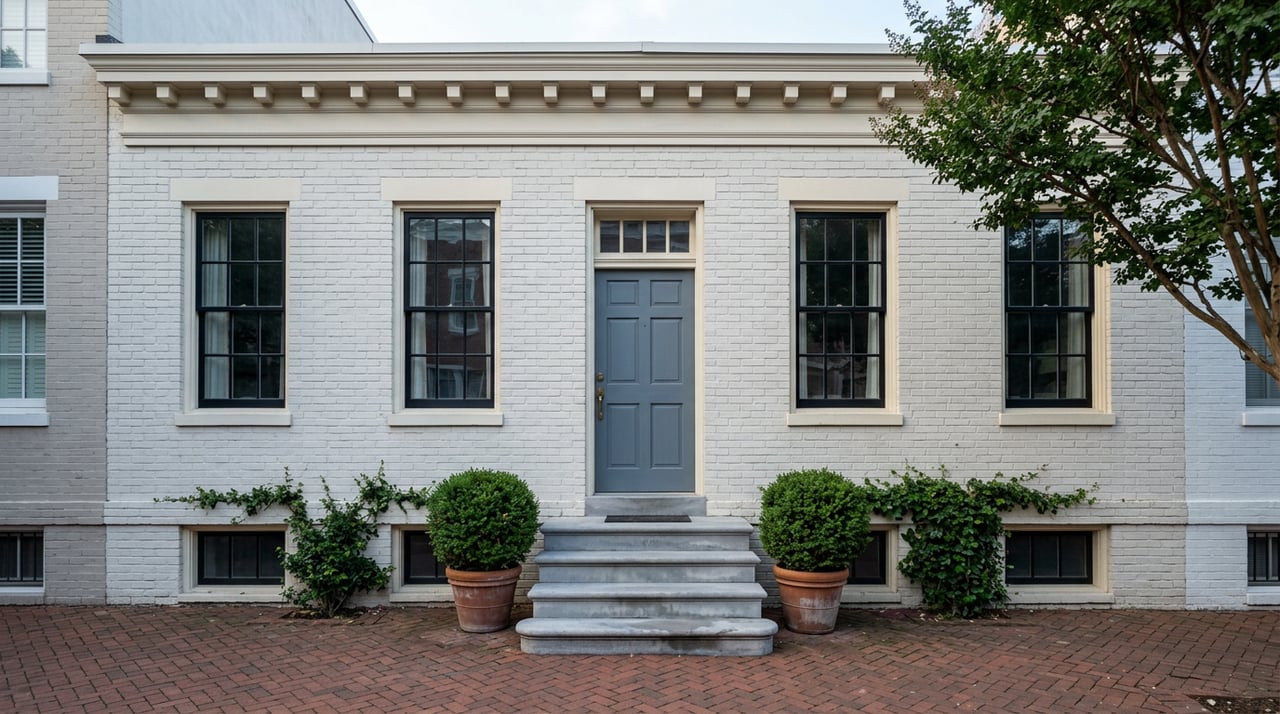
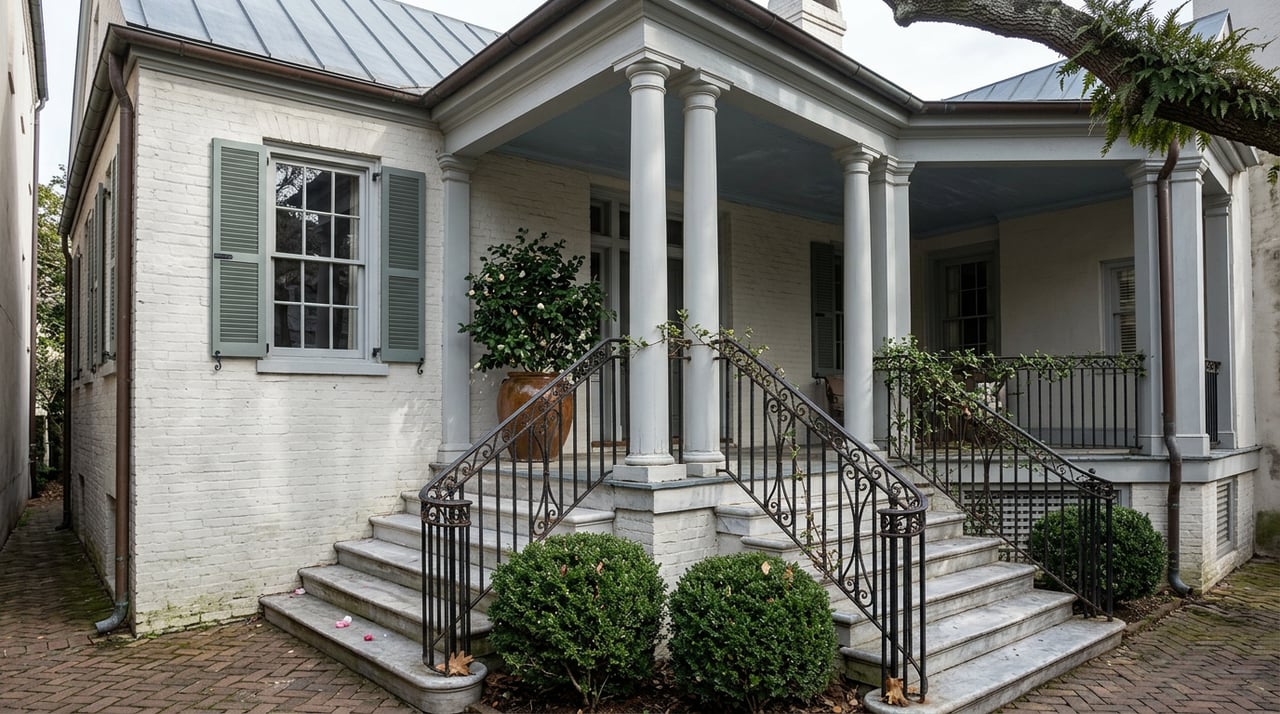
This is not a hypothetical for this neighborhood in particular. The Preservation Society of Charleston describes South of Broad as one of the city's most notable historic districts, home to everything from modest colonial dwellings to grand residences built by merchants and planters, and listings here regularly note a property changing hands for the first time in a generation. Long ownership tenures are common, which means the gap between a seller's capped assessment and a buyer's reset assessment tends to run wider here than in neighborhoods that turn over more often.
The second reset: 4 percent versus 6 percent
Layered on top of the value reset is a second one tied to how you use the home. South Carolina assesses owner occupied primary residences at 4 percent of fair market value. Every other residential property, second homes, investment purchases, anything not filed as a legal residence, gets assessed at 6 percent. When a property transfers, the county defaults to the higher 6 percent rate until the new owner files a Legal Residence application with the Charleston County Assessor's Office and proves the home is their primary address.
Here is what that gap actually costs, using the same millage assumptions a Charleston tax estimator would apply to a home in an unincorporated part of the county, a combined rate of 0.250 mills with a 0.130 mill school operations exemption for primary residences:
| Filed as 4% Legal Residence | Defaulted to 6% | |
|---|---|---|
| Assessed value on a $3,000,000 purchase | $120,000 | $180,000 |
| Tax before school exemption | $30,000 | $45,000 |
| School operations exemption | -$15,600 | $0 |
| Estimated annual property tax | $14,400 | $45,000 |
That's a swing of roughly $30,600 a year, and it has nothing to do with the home's condition, the negotiation, or the closing price. It has to do with whether the buyer filed one form. Actual millage varies by exact tax district within the county, so your number will differ from this table, but the shape of the gap does not.
Why the portals can't tell you this
Automated valuation tools pull from public tax records and MLS data, and they are built to estimate value, not to model what a specific buyer's tax bill will look like after a specific transaction. A home listed with the seller's decades old, capped, 4 percent tax bill will often show that same figure to a shopper browsing listings, with no flag that the number resets on sale.
Susan Aviles, a Charleston based real estate agent, put it plainly when asked about automated estimates on properties like these: "I have found Redfin to typically be on the high side and inaccurate." The issue isn't malice. It's that a national algorithm has no way to know a South of Broad house has sat under the same ownership since the Reagan administration, or that the buyer touring it this weekend plans to make it a primary residence rather than a second home.
What this means at South of Broad's price point
The math above uses a $3 million purchase as a round number, but South of Broad's actual range runs from mid six figure condos to well past $14 million. The John Ravenel House, a pink Victorian Italianate mansion on the peninsula, sold for more than $18 million in early 2025, a sale that puts the scale of this market in perspective. At that end of the range, the difference between a filed 4 percent primary residence and a defaulted 6 percent classification isn't a rounding error on a mortgage statement. It's a number worth planning for before you write an offer, not after you open the first tax bill.
This is also where the reset compounds. A grand historic home held by one family for decades might carry an assessed value from a reassessment cycle years in the past, capped at 15 percent growth each cycle since. The buyer who closes on that home resets to full market value immediately, then layers the 4 versus 6 percent question on top of that new, higher base. Two mechanisms, both invisible in the listing price, both landing on the same tax bill.
The other thing a listing price won't show you
South of Broad sits inside the City of Charleston's Old City District, which means exterior changes visible from the street, from window replacements to paint colors to fence work, go through the city's Board of Architectural Review before they happen. It's a different kind of friction than the tax reset, but it's the same category of thing: a cost or constraint that shows up after closing, not on the listing sheet. Buyers who plan to renovate should build BAR review timelines into their budget the same way they build in a tax filing deadline.
Before you write an offer
If you're comparing South of Broad against other Charleston neighborhoods on price alone, ask your agent for two numbers before you get attached to a house: the seller's current assessed value, which you can verify through the Charleston County Auditor's public records, and a projected post sale assessment based on your actual purchase price and intended use. The Post and Courier's coverage of the county's 2025 reassessment cycle is a good primer on how often local governments raise rates in the same year they reassess, which adds a second variable worth asking about on top of the ratio and cap questions above. If you want the legal detail on the reassessment schedule itself, the 2023-2024 legislation that pushed the statewide cycle to property tax year 2026 is public record.
A few questions worth settling early
Does the 15 percent cap ever help a buyer? Only after you've owned the home through a full reassessment cycle without selling. It protects continuity of ownership, not the transaction itself.
What happens if I forget to file for the 4 percent Legal Residence ratio? The county keeps taxing the home at the default 6 percent investment rate until you file the paperwork with the Charleston County Assessor's Office. Buyers who forget after closing, which happens more often than agents would like, end up paying the higher rate for however long the filing gets delayed.
Can I check a specific South of Broad address's current assessed value before I make an offer? Yes. The Charleston County Auditor's office maintains public sales and ownership records searchable by address, which is the most reliable way to see what a seller is actually paying now, before you estimate what you'll pay next.
South of Broad's price tag gets the headlines. The tax bill that follows it gets decided by paperwork most buyers don't think to ask about until it's too late to plan around. If you're weighing a purchase on the peninsula and want both numbers worked out before you write an offer, Crossman & Co would welcome the chance to walk through it with you. Schedule your free consultation and let's look at the whole picture together.